
Not All Congenital Heart Defects Can Be Detected During Pregnancy, Here's Why
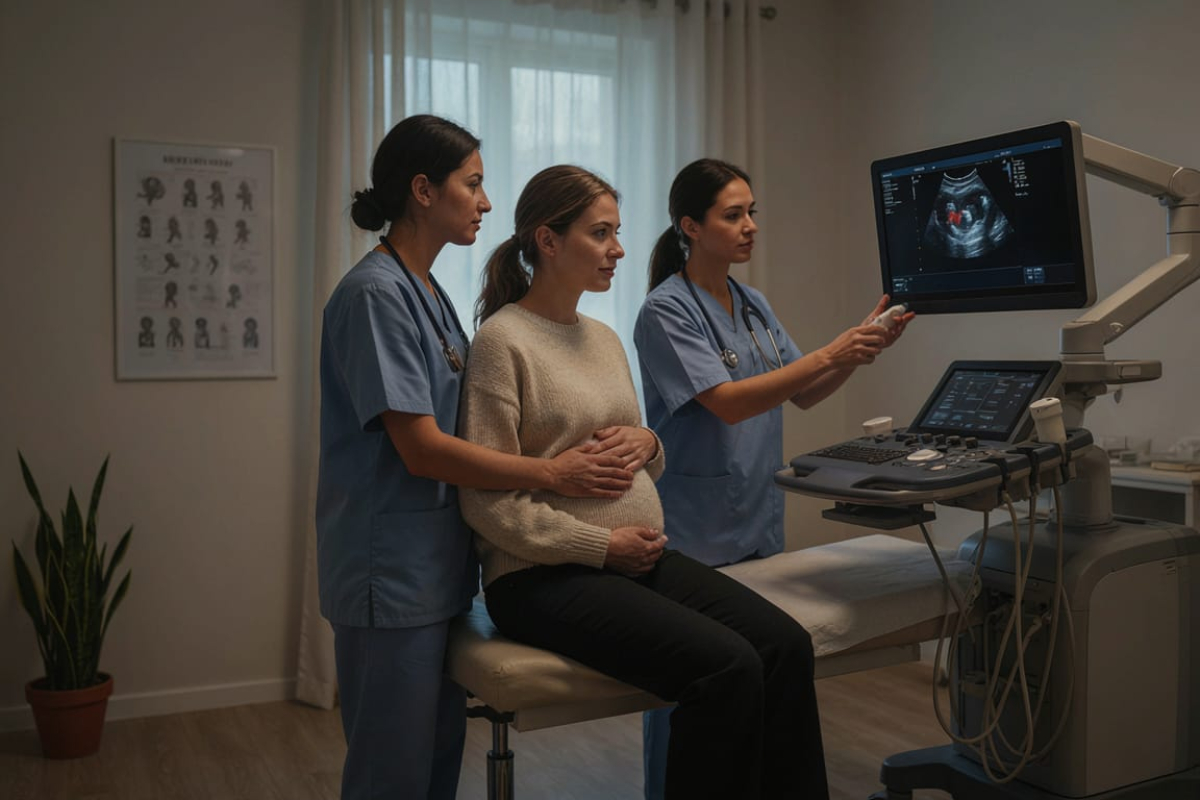
Congenital heart defects (CHD) are abnormalities in the structure or function of the heart that are present from birth. Some heart defects can be detected while the baby is still in the womb through pregnancy screening. However, not all cases can be identified before delivery.
The Centers for Disease Control and Prevention (CDC) states that congenital heart defects can be diagnosed during pregnancy, after the baby is born, and in some cases only become apparent during childhood or adulthood. This indicates that screening during pregnancy has limitations in detecting all types of heart abnormalities.
One examination used to evaluate the baby’s heart in the womb is a fetal echocardiogram. This is a type of ultrasound that provides a more detailed picture of the structure and function of the foetal heart. The American Heart Association explains that a fetal echocardiogram is generally performed at around 18 to 22 weeks of gestation, particularly when there are factors that increase the risk of heart defects or when routine ultrasound indicates a possible problem with the foetal heart.
This examination can help doctors see the developing parts of the heart, including its structure and how it works. If an abnormality is found, this information can help medical staff plan monitoring during pregnancy, the delivery process, and care for the baby after birth.
One of the main obstacles is that not all heart defects are easily visible through prenatal screening. The American Heart Association emphasises that a normal fetal echocardiogram result cannot always rule out all possible heart problems because foetal blood circulation differs from conditions after birth. Some small defects or certain types can also be more difficult to observe.
The CDC explains that total anomalous pulmonary venous return (TAPVR) is not commonly detected during pregnancy. One reason is that the pulmonary veins are more difficult to see on prenatal screening because before birth, blood flow to the lungs is still relatively small. The condition can become easier to recognise after birth when the circulatory system changes.
Limitations can also be influenced by the type of heart defect. The CDC notes that prenatal detection rates can vary depending on the type of CHD and the quality of the images obtained during the examination.
Because not all CHD can be found during pregnancy, examinations after birth remain important. One method used to help detect some types of critical congenital heart defects is pulse oximetry, a test that measures oxygen levels in the blood. The CDC states that this screening can help identify some babies with critical congenital heart defects before they show clear symptoms and before they leave the birth facility.
Early detection allows babies to receive examination and treatment more quickly if needed. Symptoms to watch for after birth may include difficulty breathing, bluish skin or lips, difficulty feeding, and a baby who appears very weak or sleepy. These symptoms do not always mean the baby has CHD, but they require medical evaluation to determine the cause.
Detecting congenital heart defects in the womb is an important step because it can help prepare for the baby’s care. However, prenatal screening results still have limitations. Therefore, routine pregnancy checks and evaluation of the baby’s health after birth remain important to help detect heart problems as early as possible.