
North Sumatra Health Office Detects Early Mental Health Issues Through Free Screening Programme
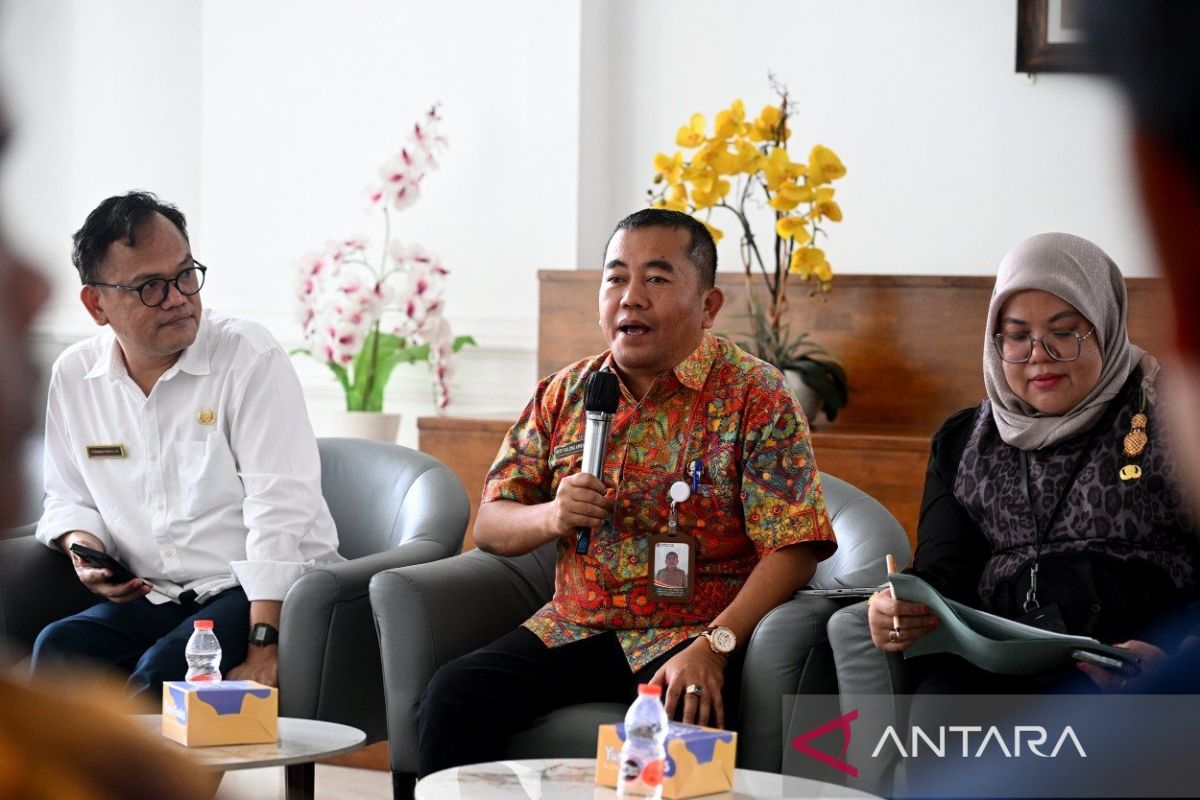
Medan (ANTARA) - The Health Office of North Sumatra Province is detecting early mental disorders suffered by patients through its Free Health Check (Cek Kesehatan Gratis, CKG) programme.
“It is not only about detecting physical illnesses, but also identifying indications of residents’ mental disorders from an early stage,” said Hery Valona Bonatua Ambarita, Head of Public Health at the North Sumatra Provincial Health Office, during a press conference at the North Sumatra Governor’s Office on Friday.
He noted that this situation underscores that mental health is a serious challenge that needs to be addressed systematically and sustainably at the regency and city level across North Sumatra.
“During health screening, we found that people are experiencing anxiety and stress, though still at an early stage. Anyone can experience this, but it must be managed so that it does not develop into a severe mental disorder,” he said.
The Indonesian Ministry of Health estimates that around 1.2 per cent, or 28 million Indonesians, experience symptoms of anxiety and stress that could potentially become mental health problems if not properly managed.
“This means that out of every 10 people screened, one to two have mental emotional problems (ODMK). This condition is still situational, which is why it must be controlled by strengthening personal resilience, as well as through education and therapy,” said Hery.
He explained that screening results show teenagers are the group most indicated to be experiencing anxiety and stress in North Sumatra.
The contributing factors include heavy schoolworkloads. In addition, many adults also experience pressure due to economic problems, such as education costs and the demands of daily life.
To address these issues, the government is pursuing two approaches. First, carrying out early detection and treatment for people with mental emotional problems (ODMK) so that their conditions do not develop into severe mental disorders.
Second, providing comprehensive services for people with severe mental disorders (ODGJ) who require treatment from psychiatrists, intensive therapy, and hospital care.
“We have been given a target of screening 22,000 people for mental health. We have now reached more than 13,000, or 67 per cent, who have been screened. We are confident that we can achieve the target by December,” he said.