
North Sumatra Governor to Build Two New Access Roads to Karo Hot Springs
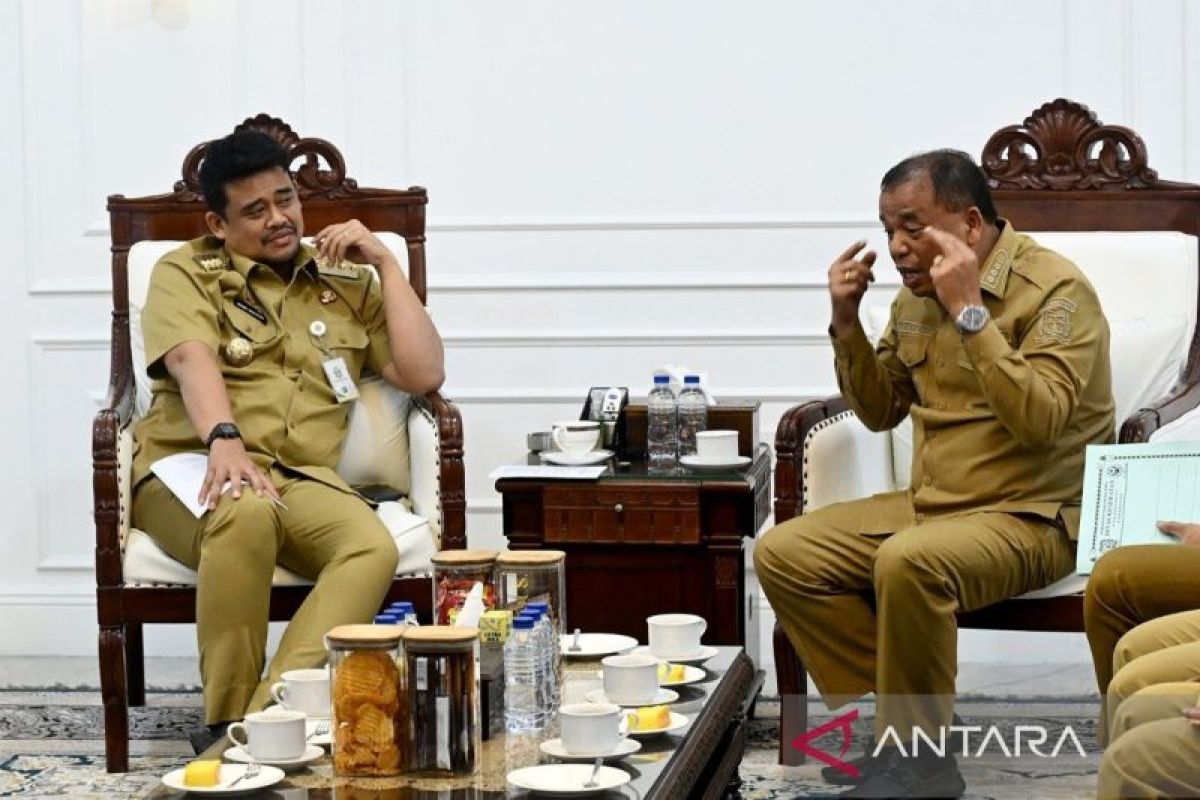
Medan (ANTARA) - The Governor of North Sumatra, Bobby Nasution, will construct two new access routes to the Sidebuk Debuk hot springs tourism area in Semangat Gunung Village, Karo Regency, North Sumatra.
Bobby stated that this step is part of an effort to enhance the quality and competitiveness of North Sumatra’s premier tourist destinations, following the abolition of various visitor levies.
“We have committed that there will be no more levies imposed on visitors. This is an initial step to upgrade the class of our tourism objects, and easier access is also very important,” said Bobby after receiving the Regent of Karo, Antonius Ginting, at the North Sumatra Governor’s Office in Medan on Monday.
In addition to improving new road access, Bobby also encouraged the Karo Regency Government to establish a tourism village at the Sidebuk Debuk hot springs location. This tourism village is expected to become a hub for economic activity through the development of souvenir centres, food vendor areas, and various other supporting businesses managed by the local community.
“We could perhaps utilise the CSR (Corporate Social Responsibility) of business actors in the area. Some businesses could pool CSR funds to build the tourism village, with the community managing it,” Bobby remarked.
Regent of Karo, Antonius Ginting, explained that the two new access routes to be built will not only facilitate easier access to the Sidebuk Debuk hot springs area but will also help alleviate traffic congestion in the Berastagi area and its surroundings during weekends and national holidays.
Antonius explained that the first route will connect Penatapan Berastagi with Semangat Gunung Village, while the second route will connect Jaranguda Berastagi with Semangat Gunung Village.
“Therefore, those coming from Medan can go directly to the location without having to pass through Daulu first. From Simalungun and Southeast Aceh, they can come via Jaranguda. This will also help disperse traffic congestion,” he asserted.
He further explained that the future levy scheme will be charged directly to business operators through taxes on restaurants, lodging, bathing facilities, parking, and other enterprises.
“The revenue will come from there. Meanwhile, our community will work there, in roles such as parking attendants, levy collectors, cleaning staff, and others. We will transition them into professional roles,” said Antonius.