
North-South Gateway: Prupuk Station Fuels New Economic Momentum in Tegal Regency
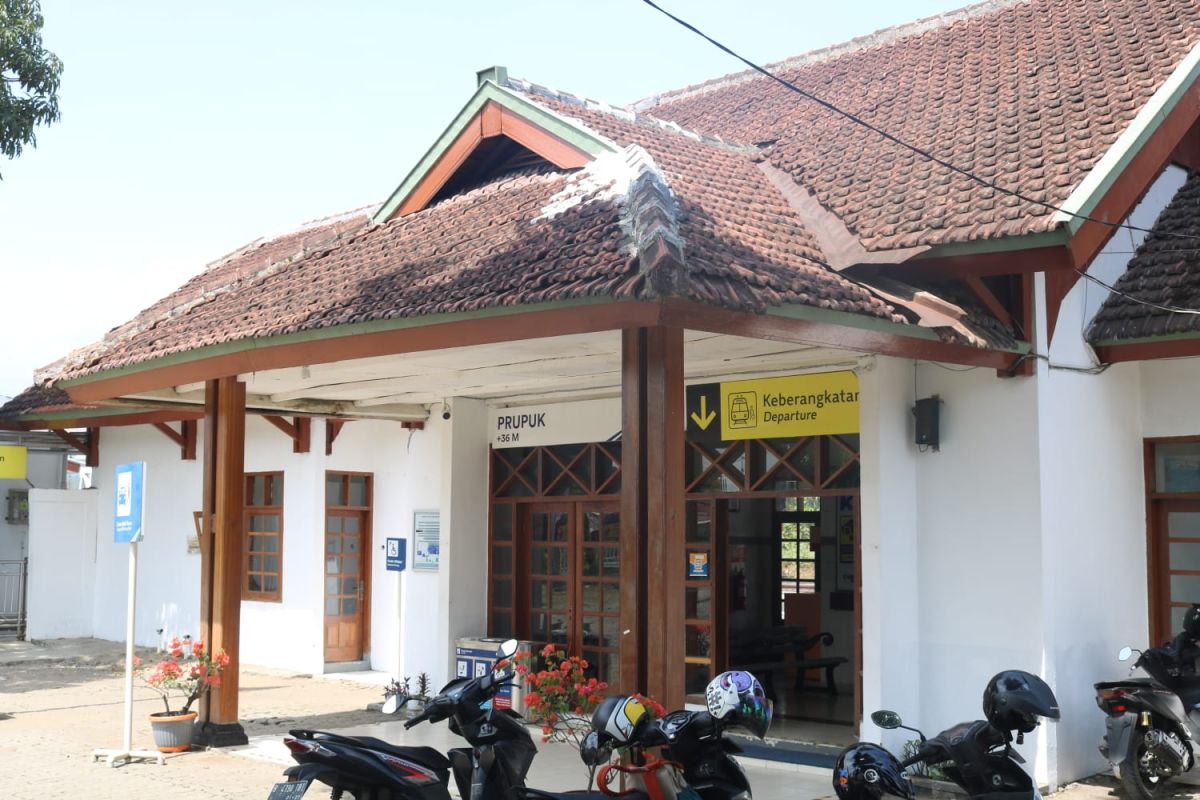
Tegal - A region’s transformation is often reflected in the movement of its people. As job opportunities expand, economic hubs grow, and trade activity intensifies, the demand for travel rises accordingly. In southern Tegal Regency, this dynamism is evident in the growing mobility at Prupuk Station. Located in Margasari District, the station plays a pivotal role in Java’s railway network. Prupuk Station serves as a branching point connecting Central Java’s Cirebon-Purwokerto-Kroya corridor with the northern coastal route via Tegal, making it a key gateway for people, logistics, and economic activity across Java. Passenger growth is reflected in rising numbers using the station’s services. Between January and April 2026, 15,297 passengers departed from Prupuk Station, a 21.96% increase from 12,542 in the same period in 2025. Arrival numbers reached 15,205, up 23.65% from 12,296 the previous year. The simultaneous rise in departures and arrivals indicates two-way economic activity. Locals use trains for work, education, trade, and tourism, while southern Tegal Regency increasingly attracts visitors from outside the area. This aligns with Tegal Regency’s demographic and economic growth. According to 2025 data from Statistics Indonesia (BPS), the regency’s population reached 1.69 million, with Margasari District alone housing over 116,000 residents. The growing population has heightened mobility demands as social and economic activities expand. Simultaneously, Tegal’s employment structure shows notable shifts. BPS data from 2025 indicates formal sector workers now account for 41.48% of the workforce. This reflects a growing number of residents commuting regularly to economic hubs, commercial zones, educational institutions, and service sectors, making reliable public transport increasingly essential. Vice President of Corporate Communication at KAI, Anne Purba, stated that passenger growth at Prupuk Station reflects the tight link between transport connectivity and regional economic development. ‘Rising passenger mobility typically accompanies economic growth. As job opportunities expand, trade flourishes, and communities become more productive, travel demand increases. Prupuk Station acts as a vital hub connecting people to these opportunities,’ said Anne. This role is increasingly relevant as southern Tegal has developed into a productive agricultural zone. Margasari and surrounding areas are renowned for growing onion production, with horticulture driving local economy and intensifying distribution to various markets. ‘Good mobility benefits the region significantly. Farmers access markets more easily, businesses gain wider reach, and residents have more employment and entrepreneurial options. Transport connectivity accelerates regional economic circulation,’ Anne added. To meet demand, Prupuk Station serves intercity routes via Progo, Gajahwong, Kutojaya Utara, Bengawan, Jayakarta, and Gaya Baru Malam Selatan trains. Regional services include Kamandaka and Joglosemarkerto trains connecting Central Java cities. Beyond passenger services, it supports national logistics through Pupuk Indonesia freight trains serving agriculture in southern Java’s corridor. Beyond transport, Prupuk Station serves as a gateway to Tegal’s top tourist spots. Visitors arriving by train can proceed to Guci, Bumijawa, and Mount Slamet’s mountainous attractions. This tourist influx boosts local businesses, from onward transport and accommodation to food vendors and micro-enterprises around the sites. Anne added that a station’s development is ultimately measured by the benefits felt by surrounding communities. As mobility rises, economic opportunities expand and regional connectivity strengthens. ‘Every passenger departing or arriving at Prupuk Station has unique stories and purposes—working, studying, trading, or reuniting with family. Trains connect these journeys while supporting balanced economic growth. KAI will maintain reliable services to ensure wider community benefits from connectivity,’ she concluded.