
North Maluku Intensifies Nickel Downstreaming, Prepares Superior Human Resources
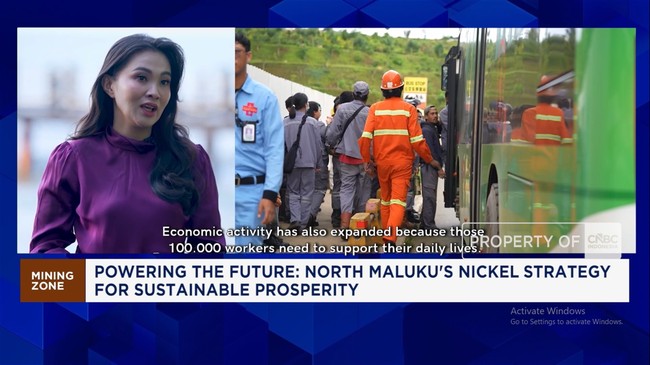
Jakarta, CNBC Indonesia - The North Maluku Provincial Government is prioritising the preparation of human resources (HR) to keep pace with the development of the nickel downstream industry in the region. This aims to bridge the gap between the availability of local labour and the specific needs of the battery and renewable energy industries, which are now the main economic drivers of the area.
North Maluku Governor Sherly Tjoanda explained that her administration is focusing on developing vocational education through polytechnics. She emphasised the need for swift action to address the disconnect between the current education system and the technical qualifications required by future industries.
“We, the North Maluku Provincial Government, are focusing on vocational polytechnics. We realise there is a missing link between the education system and the skill requirements needed by these future industries,” she said during the CNBC Indonesia Mining Zone event on Friday (12/6/2026).
Her administration is collaborating with several top universities in Indonesia to establish study programmes relevant to the renewable energy industry. Additionally, the curriculum for Vocational High Schools (SMK) is being adjusted with the direct involvement of industry players so that graduates possess standardised skills.
“So, not everyone has to wait to graduate with a bachelor’s degree to work; there are skills that can be acquired through vocational schools, and they will be ready to work after graduating from SMK. That is the task we are currently preparing,” Sherly stated.
This initiative also considers the predicted continued growth of the downstream industry in North Maluku. In the future, the region will not only produce ferronickel but also become a centre for producing battery cells and energy storage devices, which require a skilled workforce in high-tech fields.
“Our human resource preparation cannot be like it was in the past; we must change very quickly. And those who best understand the curriculum and how to prepare these human resources are the industry players themselves,” she said.
Currently, one industrial estate in North Maluku is reported to have absorbed around 100,000 workers, though the proportion of local workers is still being optimised. With thorough educational preparation, the administration hopes that local residents will not only fill basic positions but will also be able to occupy strategic roles such as technicians, supervisors, and managers.
“That is also our task to increase the capacity of North Maluku’s own human resources so that more of them are absorbed. Because currently, workers from all over Indonesia are still employed there,” she concluded.