
North Maluku Governor Expresses Concerns Over Inability to Pay PPPK Salaries Until Year-End
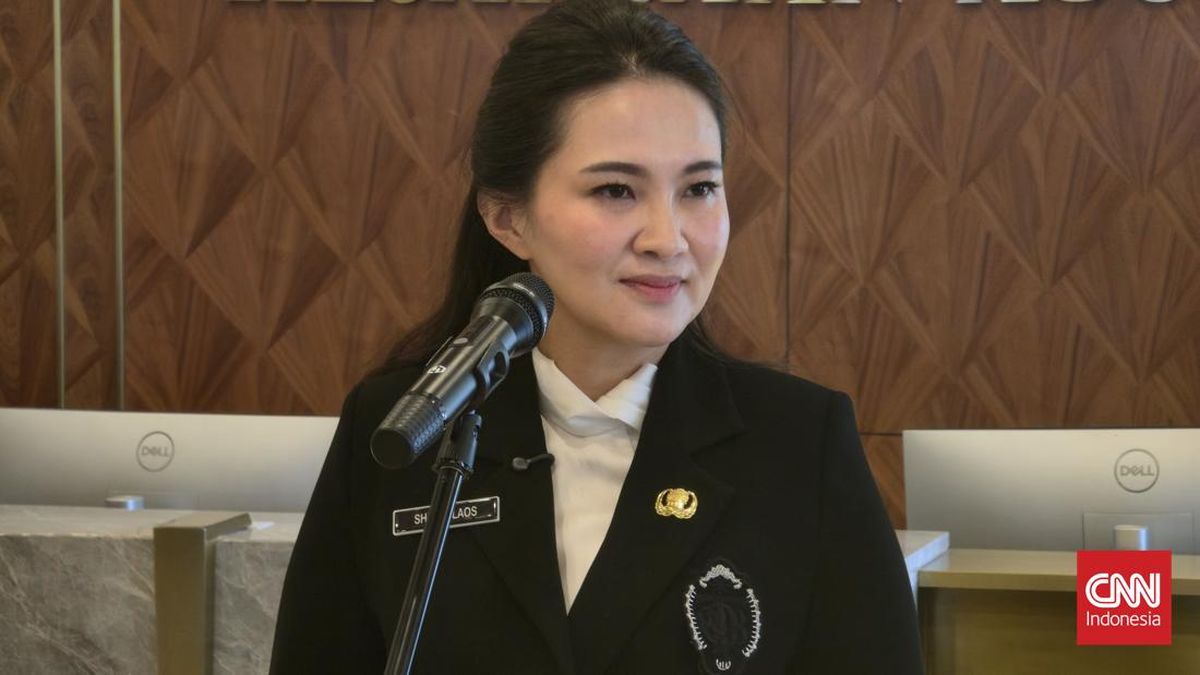
During a working meeting with Commission II of the DPR, the Minister of Home Affairs, and several regional heads on Monday (8/6), North Maluku Governor Sherly Tjoanda expressed concerns regarding the regional fiscal condition, stating that the province is unable to pay the salaries of Government Employees with Work Agreements (PPPK) until the end of the year.
While acknowledging recent relaxation measures, Sherly noted that these do not resolve the underlying issue, as the province currently lacks the necessary cash flow. She emphasised the need for further discussions with the DPR, particularly regarding potential budget cuts in 2027. The Governor noted that while regions must innovate due to the difficult state of the national budget (APBN), many regulatory tools and authorities have been centralised, leaving little room for regional innovation.
Detailing North Maluku’s fiscal situation, the Governor explained that the province’s General Allocation Fund (DAU) is approximately Rp960 billion, whereas personnel expenditures have reached Rp1.1 trillion, meaning spending exceeds the DAU. She added that attempts to compensate through Local Original Revenue (PAD) and Revenue Sharing Funds (DBH) are hindered by the fact that 60 per cent of the DBH is withheld. Sherly clarified that the region is not asking the central government to pay the salaries directly, but rather requests the return of a portion of the DBH to alleviate the burden. She warned that current relaxation measures might come at the expense of infrastructure spending, which is vital for regional economic growth.
In the same meeting, Minister of Home Affairs Tito Karnavian revealed that 39 local governments are unable to pay PPPK salaries because their personnel expenditure exceeds 50 per cent of their budgets. He suggested that these 39 regions may require additional support through top-ups from the Regional Transfer (TKD) funds within the national budget. The Minister cited Central Sulawesi as an example, where personnel spending stands at 56.65 per cent, and Donggala Regency, where it accounts for 5_3.1 per cent, while Sigi Regency’s spending reaches 60 per cent. Consequently, the government has decided to cap personnel expenditure at a maximum of 30 per cent of the total regional budget, in accordance with the Law on Financial Relations between the Central Government and Regional Governments (UU HKPD).