
North Korea's Economic Transformation: From Taxi Apps to Luxury Cars
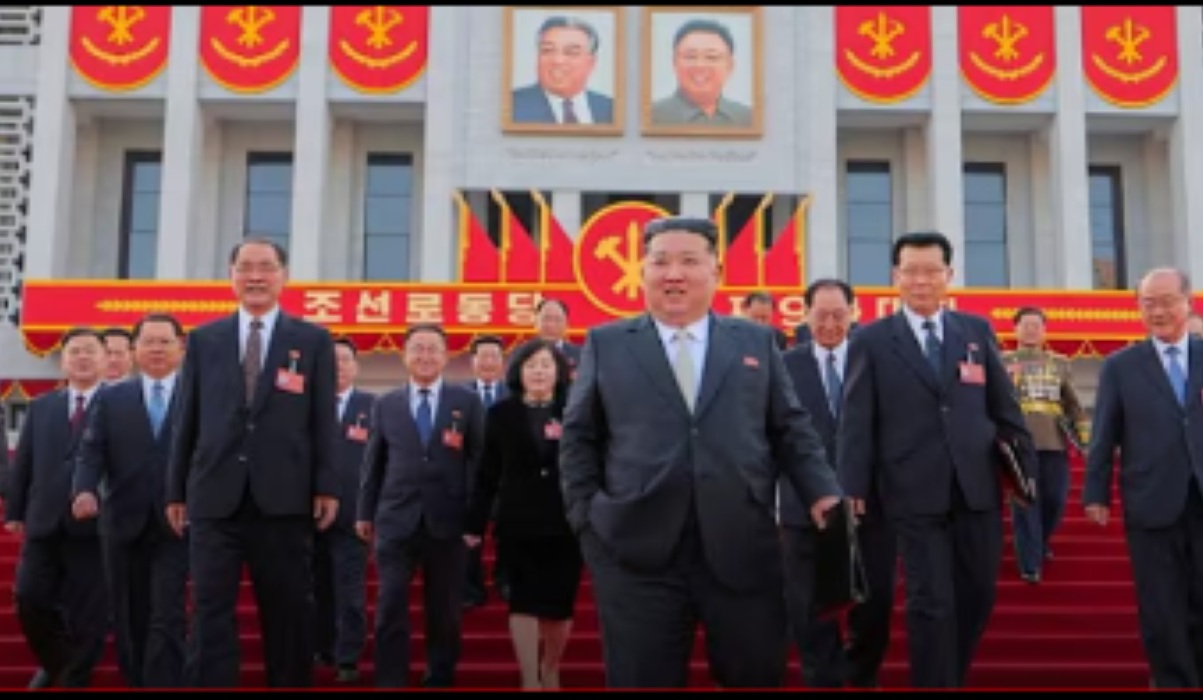
PYONGYANG is no longer the silent and backward capital that much of the world perceives it to be. Rowan Beard, an Australian tour operator who has visited North Korea over 100 times, was surprised to find vehicles arriving within minutes of being ordered via the Samhung smartphone app, a digital transport service similar to Uber.
This phenomenon serves as a symbol of North Korea’s unexpected economic revival. Under the leadership of Kim Jong Un, this isolated nation is showing significant growth despite stringent international sanctions. This transformation is being driven by the strengthening of strategic alliances with Russia and China, alongside the regime’s ability to drive the domestic digital economy.
This economic resurgence has not occurred organically. Reports from the Institute for National Disarmament Strategy (INSS) in Seoul indicate that North Korea has earned billions of dollars from ammunition sales and the deployment of over 15,000 troops to assist Russia on the front lines of the war in Ukraine. This relationship provides not only financial gains but also access to sensitive military technology and energy resources.
Furthermore, trade with China has reached its highest level in eight years. Various Chinese consumer brands are now flooding the North Korean market, ranging from technological components to electric vehicles (EVs), which are now commonly seen on the streets of Pyongyang.
Recent visitors describe a scene that contrasts sharply with the past. In the city centre, restaurants now serve wood-fired pizza and chicken wings, with payment systems utilising mobile QR codes. Pet shops, internet cafes, and car dealerships displaying luxury brands such as BMW are also emerging.
Zoe Stephens, a British tour guide, noted a drastic change in public transaction behaviour. “Before the pandemic, all payments were made in cash. Last year in Pyongyang, I saw locals buying goods with their smartphones. There are apps for ordering food, essentials, and even prescription medicines,” she said.
While Pyongyang appears to be flourishing, UN reports warn that nearly half of North Korea’s 26 million residents still suffer from malnutrition. Kim Jong Un is using this growth momentum to strengthen central control, replacing black markets (jangmadang) with state-managed shops and pharmacies.
Through the ‘20x10’ initiative, Kim aims to build modern factories in 20 cities and counties every year for the next decade. This move is intended to revitalise local economies while ensuring that the population’s dependence remains under the control of the regime, rather than on private traders or smugglers.
With the economy in its strongest position since Kim took power 15 years ago, Western hopes of using economic sanctions to force Pyongyang to abandon its nuclear programme appear to be fading. North Korea is proving that, with the support of strategic partners, it can build a resilient economy behind the Iron Curtain.
Source: jawawa.id (https://jawawa.id/newsitem/north-koreas-economic-transformation-from-taxi-apps-to-luxury-cars-1780934450)
Originally published by Media Indonesia (https://mediaindonesia.com/internasional/898306/transformasi-ekonomi-korea-utara-dari-aplikasi-taksi-hingga-mobil-mewah), translated from Indonesian