
North Korean Envoy at UN Affirms Country Will Retain Nuclear Weapons
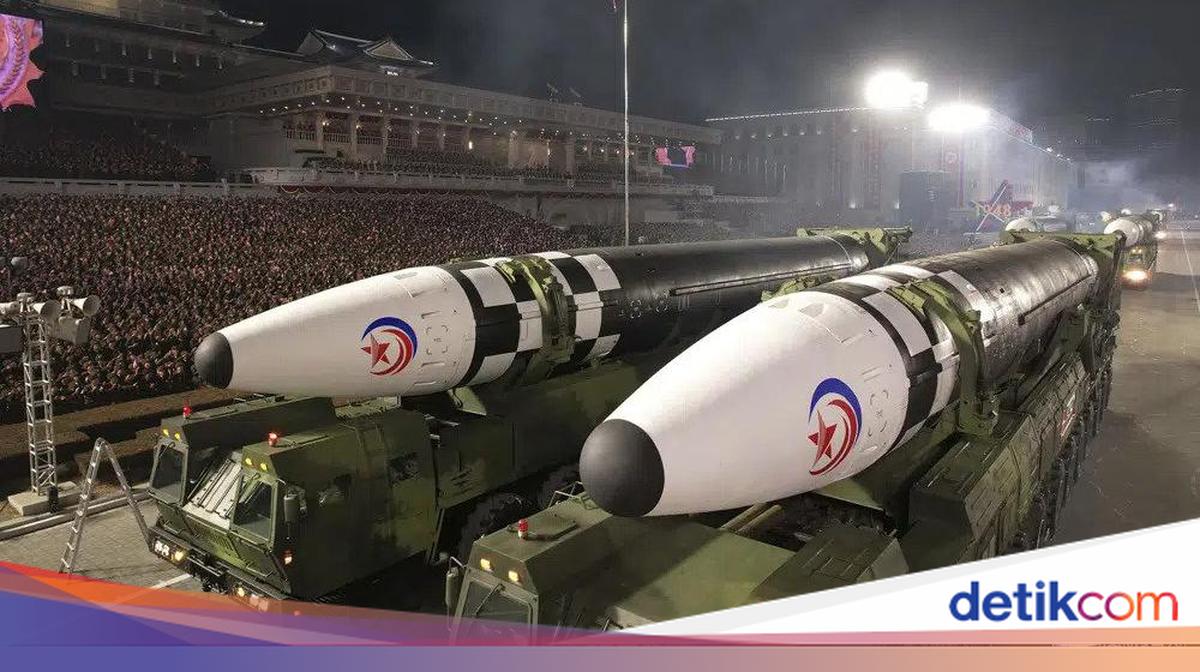
According to AFP on Thursday (7/5/2026), Pyongyang threatened to withdraw from the Non-Proliferation Treaty in 1993 and officially did so in 2003. Since then, it has conducted six nuclear tests, leading to several United Nations resolutions against it. North Korea is also believed to possess dozens of nuclear warheads.
“In the currently ongoing 11th NPT Review Conference at UN headquarters, the United States and several countries following its lead without basis are questioning the current status and exercise of sovereignty rights” of North Korea, said Pyongyang’s chief envoy to the UN, Kim Song, in a statement broadcast by the Korean Central News Agency (KCNA).
“The status of the Democratic People’s Republic of Korea as a nuclear-armed state will not change based on external rhetorical claims or unilateral wishes,” he added.
“To reiterate once again, the Democratic People’s Republic of Korea will not be bound by the Nuclear Non-Proliferation Treaty under any circumstances.”
He continued that the country’s status as a nuclear-armed state has been “enshrined in the constitution, which transparently states the principles of nuclear weapons use.”
North Korea has consistently asserted that it will not abandon its nuclear arsenal, describing the path it has taken as “irreversible” and pledging to continue strengthening its capabilities.
Pyongyang has sent ground troops and artillery shells to support Russia’s invasion of Ukraine. Observers assess that North Korea is receiving military technology assistance from Moscow in return.
Nine nuclear-armed countries—Russia, the United States, France, the United Kingdom, China, India, Pakistan, Israel, and North Korea—possess 12,241 nuclear warheads as of January 2025, according to a report by the Stockholm International Peace Research Institute (SIPRI).
The US and Russia control nearly 90 percent of the world’s nuclear weapons and, in recent years, have undertaken major programmes to modernise those arsenals, according to SIPRI.