
North Korea Uses Ukraine War Profits for Weapons and Development
North Korean leader Kim Jong Un is using funds obtained by his forces from the war in Ukraine to finance various projects that were previously beyond the regime’s financial reach. The South Korean National Intelligence Service (NIS) estimated last May that Pyongyang received US$7.7 billion, or approximately 135.5 trillion rupiah, in the form of financial aid and economic value from Russia over the last three years in exchange for sending personnel and military equipment to support Moscow’s war in Ukraine. This value could even reach US$14 billion.
This amount is substantial considering North Korea’s gross domestic product (GDP) in 2024 is estimated to reach US$26.6 billion. Kim’s support for Russia has proven highly profitable, and several reports are now revealing how these funds are being allocated.
Part of the funds are allocated to the 20×10 Regional Development Policy, a programme launched in January 20seb4 to build modern industrial facilities in 20 cities every year for 10 years to improve the standard of living for people outside Pyongyang. Analysts suggest the government is also designing more civilian programmes, though many projects appear aimed at the elite groups living in Pyongyang.
“Before the alliance with Russia, North Korea’s infrastructure conditions generally appeared poor due to a combination of economic mismanagement and international sanctions,” said Martyn Williams, a senior researcher for the Korea Program at the Stimson Center, Washington, D.C. “With the collapse of the consensus in the UN Security Council and the recovery of trade with China and Russia, various North Korean projects are now beginning to move.”
According to Williams, there are several large-scale programmes to build factories and hospitals across the country. Kim has also ordered the construction of new areas in Pyongyang, alongside rural housing projects targeting tens of thousands of homes. The government is also investing in the modernisation of several economic sectors. However, Williams noted that structural issues remain, stating that while investment is flowing into construction, some new hospitals lack the necessary medicines and medical equipment to remain operational.
Additional funds also appear to be allocated to the military sector. On Wednesday (09/09), the International Atomic Energy Agency (IAEA) stated it had identified new uranium enrichment facilities at the Yongbyon Nuclear Complex, estimated to have 28 centrifuge cascades. The IAEA estimates these facilities could allow the North Korean regime to produce approximately 85 kilograms of weapons-grade highly enriched uranium annually, enough for four nuclear warheads.
Satellite imagery also shows North Korea expanding and modernising the Port of Nampo on the west coast and the Port of Chongjin on the east coast to accommodate new-generation warships. On Monday (07/09), Kim attended the commissioning ceremony of the 5,000-ton destroyer Kang Kon in the Wonsan area. The North Korean Supreme Leader claimed the ship is capable of launching nuclear weapons and can “deliver a deadly retaliatory strike against the enemy.”
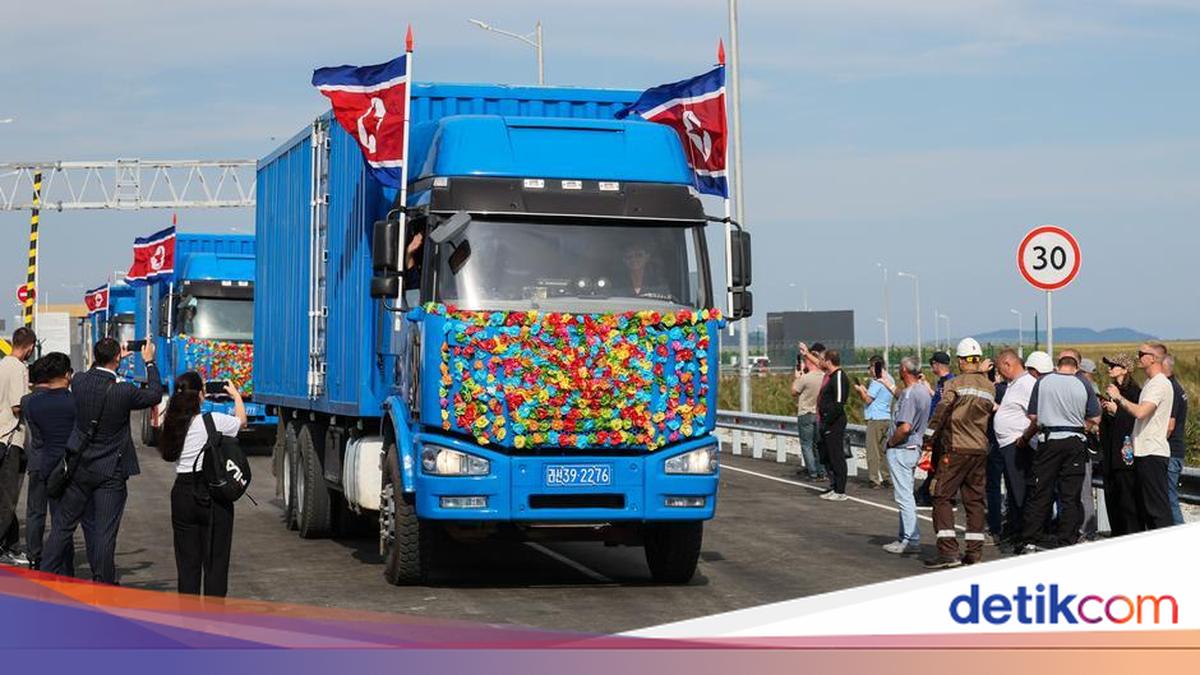
Other sectors receiving significant investment include the development and repair of roads, ports, and bridges. This infrastructure had been stagnant for years due to isolation and international sanctions, but is now required to support the deployment of more armed forces to Russia and to facilitate the influx of advanced military technology, energy, and consumer goods from Russia. On Tuesday (08/09), North Korea and Russia inaugurated the first highway bridge crossing the Tumen River. Customs posts and warehousing facilities are also being built on both sides of the river, symbolising the strengthening ties between the two nations.
This new route allows for increased cargo volumes via trucks, reducing logistics costs and potentially being used to move North Korean military personnel, weapons, and ammunition to Russia. Its presence further reduces the effectiveness of sanctions against North Korea. Marcus Noland, executive vice president of the Peterson Institute for International Economics, noted that while many border projects began before the pandemic, progress has accelerated due to war-related income and cybercrime.
Noland assessed that while Pyongyang’s economic condition is relatively good and border cities with China are benefiting from recovered trade, the North Korean hinterland remains stagnant. Analysts warn that the future of this economic situation remains uncertain, noting that the North Korean regime could face significant difficulties and economic slowdown if the war in Ukraine ends and war-related revenues dry up.