
North Jakarta Government Ensures Civil Servants Implement Waste Segregation at Source
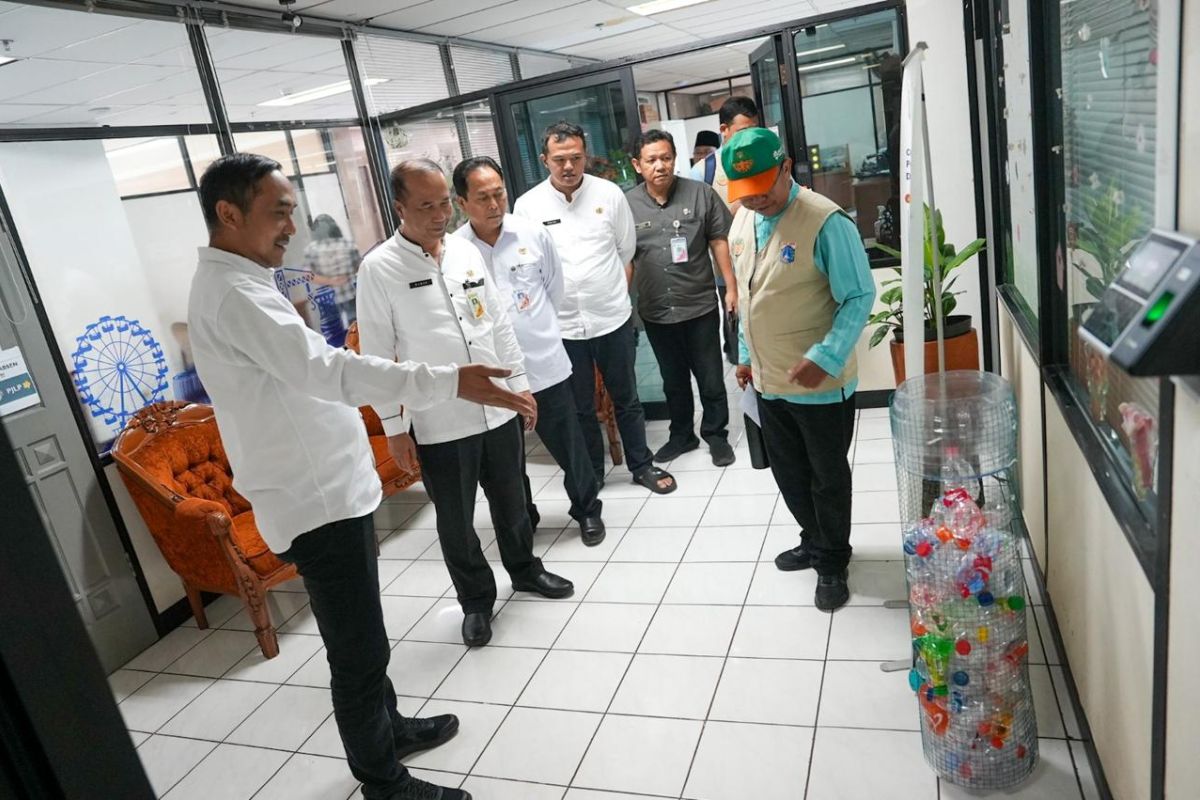
The North Jakarta City Government has confirmed that all local civil servants (ASN) are now implementing waste segregation at source as an effort to minimise the volume of waste sent to the Bantargebang Integrated Waste Treatment Site (TPS), which is already over capacity. This is in accordance with DKI Jakarta Gubernatorial Instruction (Ingub) Number 5 of 2026 concerning the Waste Segregation and Processing from Source Movement.
“Today we are conducting socialisation as well as direct inspections of several work units to see how far the implementation of waste segregation from the source has progressed,” said Wawan Budi Rohman, Assistant for Economy and Development of the North Jakarta City Secretariat, on Monday. He stated that in addition to monitoring the available facilities and infrastructure, his team is also re-educating the heads of Regional Work Units (UKPD) and employees to better understand the importance of proper waste management.
During the inspection, the team combed through several floors and workspaces to evaluate the readiness of supporting facilities and the implementation of waste segregation by employees. According to him, the success of this programme is determined not only by the availability of segregated waste bins but also by a proper recording system. Through this data, the government can ascertain the volume of waste generated, the amount successfully reduced, and the effectiveness of management carried out by each work unit.
“Through routine recording, we can measure the volume of waste produced by each room, section, and UKPD. This data serves as a basis for evaluation and future improvement efforts in waste management,” he explained. He added that monitoring will be carried out continuously to all work units that have not yet been visited. Monitoring and evaluation activities will also continue to ensure the optimal implementation of the waste segregation movement.
In accordance with Gubernatorial Instruction Number 5 of 2026, there are four mandatory categories of waste to be segregated: organic, inorganic, residual, and hazardous and toxic materials (B3). “To support the implementation, each work unit is expected to provide adequate segregation facilities, including weighing tools and a system for recording waste volume,” he said.
Meanwhile, M. Ridwan Ali from the Waste Segregation Monitoring Team of the North Jakarta Environmental Sub-agency stated that the success of this movement relies heavily on the active participation of all employees. He noted that waste segregation must begin at the source, meaning by the employees themselves, and not solely rely on cleaning service staff. Ridwan assessed that every employee needs to understand and make a habit of segregating organic, inorganic, residual, and B3 waste right from their own desks.
“We hope that the culture of waste segregation becomes a daily habit in the office environment and that the amount of waste sent to final disposal sites can continue to decrease, supporting the realisation of a cleaner, healthier, and more sustainable Jakarta,” he said.