
Non-Subsidised Fuel Prices Rise: Observe Beneficiaries and Affected Issuers
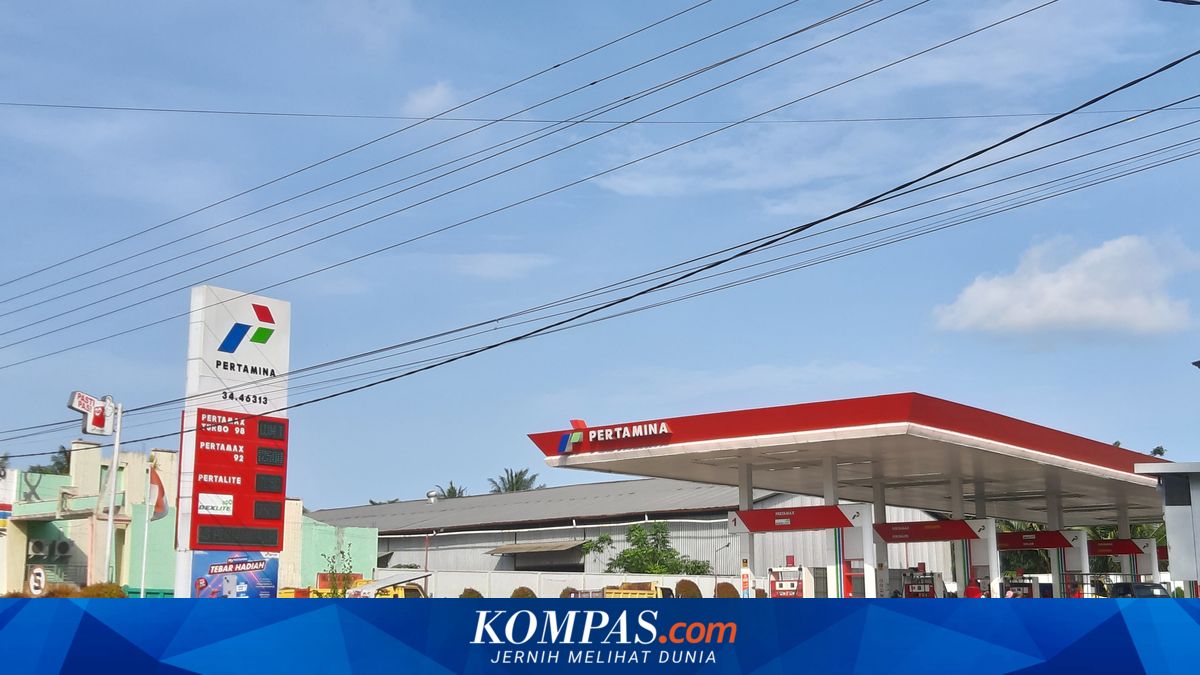
JAKARTA, KOMPAS.com - The increase in non-subsidised fuel (BBM) prices not only affects middle-class living costs but also has the potential to pressure the performance of issuers in the capital market.
Several sectors such as retail and consumer goods are projected to face pressure, while energy issuers are on a path to strengthening due to rising global commodity prices.
Investment Specialist at PT Korea Investment and Sekuritas Indonesia (KISI), Ahmad Faris Mu’tashim, assesses that the fuel price hike could squeeze issuers with high cost structures in energy consumption and distribution.
“For shares with high energy consumption and logistics cost structures, it will certainly pressure margins in the short term,” said Faris when contacted by Kompas.com on Monday (20/4/2026).
Nevertheless, producers with strong brand power still have room to maintain performance amid cost pressures.
Issuers like PT Indofood CBP Sukses Makmur Tbk (ICBP), whose products are top of mind in the instant noodles segment, are considered to have solid pricing power in the domestic market.
According to him, as long as the company’s cash flow remains strong, short-term margin pressures do not immediately become structural risks.
In the long term, this situation could potentially create inflationary growth.
“However, producers still have pricing power like ICBP, which is top of mind for instant noodle products; as long as its cash flow is strong, in the long term there will be inflationary growth because when raw material prices fall, the selling price of products remains the same, adding to margins in the future,” he explained.
Conversely, the rise in non-subsidised fuel prices is more keenly felt by retail issuers, especially those with capital-intensive cost structures.
Increases in operational costs, from distribution to utilities, make margin room narrower in the short term, while the ability to immediately raise selling prices is relatively limited due to sensitivity to public purchasing power.
“Of course, this will pressure retail issuers with capital-intensive cost structures; for the consumer sector, as long as the products can still be absorbed by the public, the margin decline is only short-term and has the potential to become inflationary growth in the long term,” Faris elaborated.
It is known that the majority of sectoral indices on the Indonesia Stock Exchange (BEI) were in the red zone at the close of the first trading session on Monday.
Weakness was seen in the health sector, which fell 1.08 per cent, followed by the financial sector correcting 0.88 per cent and the energy sector weakening 0.71 per cent.