
Non-Subsidised Fuel Prices Rise, DPR Member Urges Fair Energy Policy
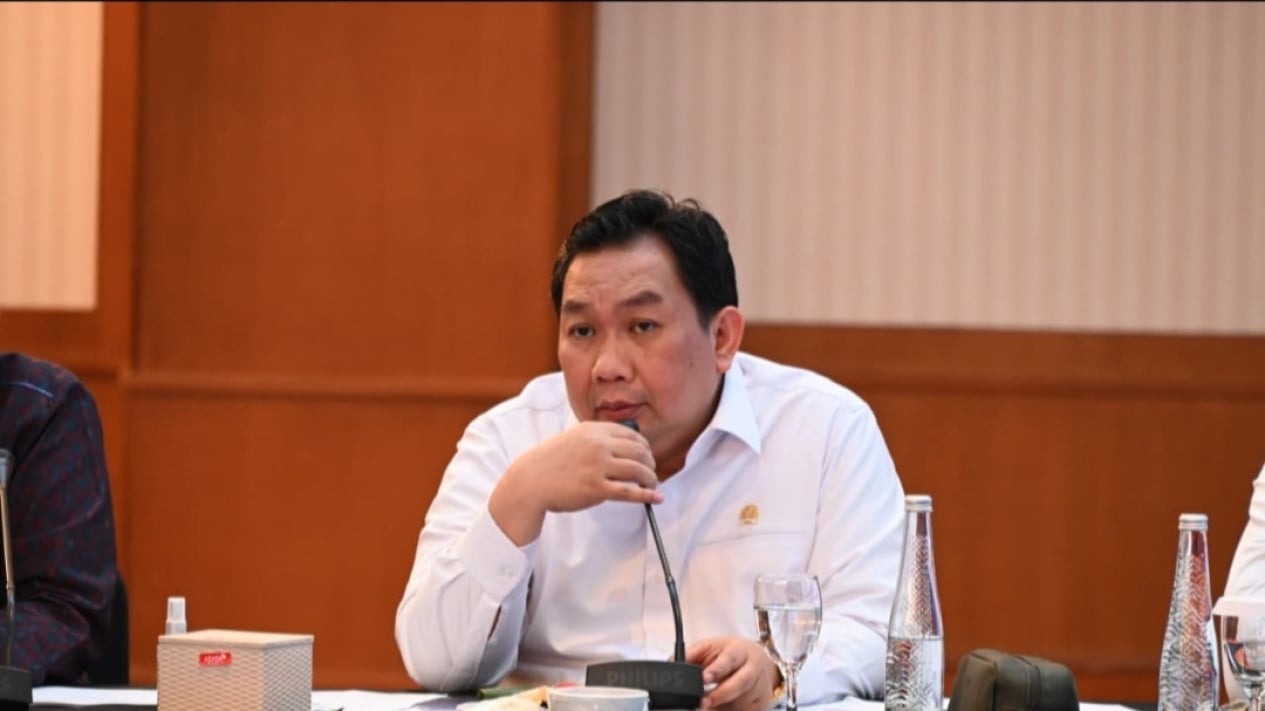
The policy adjustment to non-subsidised fuel prices by PT Pertamina (Persero), effective from 4 May 2026, has drawn serious attention from legislative circles. DPR RI Commission XI member Erik Hermawan assesses that this policy requires a careful response, taking into account national economic stability and protection of public purchasing power. Based on the latest adjustment, the price of Pertamax Turbo (RON 98) has risen from Rp19,400 to Rp19,900 per litre, Dexlite from Rp23,600 to Rp26,000 per litre, and Pertamina Dex from Rp23,900 to Rp27,900 per litre, marking the highest increase of up to Rp4,000 per litre. Meanwhile, subsidised fuels such as Pertalite (Rp10,000/litre) and subsidised diesel (Rp6,800/litre), as well as Pertamax (Rp12,300/litre), have not changed, demonstrating the government’s efforts to safeguard vulnerable societal groups. Erik emphasises that although this increase is influenced by fluctuations in global oil prices and global geopolitical dynamics, its impact on the real sector must not be ignored. “The potential for increased logistics and transportation costs, particularly due to the sharp rise in non-subsidised diesel fuel, which could trigger inflationary pressures and affect the prices of essential goods,” said Erik in his written statement on Monday, 4 May 2026. On the other hand, Commission XI of the DPR, which is also a working partner of the Ministry of Finance, urges the government to strengthen adaptive and responsive fiscal policies. “Steps that need to be taken include ensuring subsidies remain on target, maintaining food price stability, and increasing transparency in the fuel pricing mechanism so that the public understands the factors influencing the increase,” he said. Furthermore, Erik also stresses the importance of accelerating the energy transition as a long-term solution. He urges strengthened cross-ministerial coordination, particularly with the Ministry of Energy and Mineral Resources of the Republic of Indonesia, to reduce dependence on fossil fuels. According to him, energy policy evaluation must be conducted continuously and data-based to maintain national economic resilience while improving public welfare.