
No Private Cars: Organda Proposes Restricting Subsidised Fuel to Public Transport Only
The Indonesian Land Transportation Organisation (Organda) has submitted a proposal to the government to limit the distribution of subsidised fuel (BBM) exclusively to public transport vehicles with yellow registration plates. This move is considered essential to stop the misallocation of subsidised fuel, which has been identified as a cause of scarcity and long queues in various regions.
Kurnia Lesani Adnan, Secretary General of the DPP Organda, believes the current distribution scheme for subsidised fuel remains ineffective and is prone to misuse by ineligible individuals. He is urging the government to integrate vehicle registration systems with online Samsat data to ensure a strict separation between yellow-plate public transport and black-plate private vehicles.
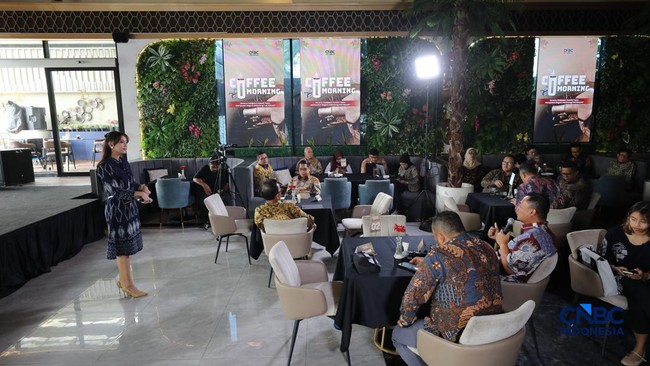
“As stakeholders, the major issue we face is fuel and diesel; there are queues, loss of life, and frequent disputes that remain unresolved. We have spoken to all parties, including Pertamina Patra Niaga. This subsidy pattern, if I may say, is not wrong, but it is inaccurate,” he stated during a CNBC Indonesia Coffee Morning event titled “Formulating Precise Subsidy Policies: Can the State Protect the People’s Rights?”, as reported on Monday (28/09/2026).
Kurnia also highlighted weaknesses in the current barcode-based registration verification system, which does not require detailed checks of vehicle documents, such as tax compliance or vehicle registration (STNK) validity. This situation forces public transport operators who are compliant with licensing and taxes to compete for subsidised fuel allocations with those who are not.
“Those of us who are orderly with licensing and tax payments have the same rights as those who neglect their obligations. If the government is serious about solving this, they should simply limit it to public transport—the yellow plates—and fix the system,” he added.
According to him, strictly limiting subsidised fuel to yellow-plate public transport also has the potential to save the national subsidy budget significantly. The savings from this fuel allocation could subsequently be redirected to support the accelerated development and revitalisation of public transport infrastructure across the country.
“We must not test moral hazard. This could save fuel costs and accelerate public transport development, as subsidies could be reallocated there,” he continued.
Organda also emphasised that the large price disparity between subsidised and non-subsidised fuel has created a new commodity and led to the rise of illegal roadside retail sales. Therefore, government decisiveness through clear regulation is the key to resolving the chaos in subsidised fuel distribution at the grassroots level.
“Patra Niaga is not operating in accordance with Presidential Regulations. If the state wants to be firm to prevent this, the system must be changed. Simply decide that subsidised fuel is for public transport, period,” he concluded.
Source: jawawa.id (https://jawawa.id/newsitem/no-private-cars-organda-proposes-restricting-subsidised-fuel-to-public-transport-only-1790563963)
Originally published by CNBC Indonesia (https://www.cnbcindonesia.com/news/20260928084537-4-771322/tak-ada-mobil-pribadi-organda-usul-ini-yang-berhak-isi-bbm-subsidi), translated from Indonesian