
No Need to Wait Two Months, Government Advised to Evaluate WFH Policy Periodically
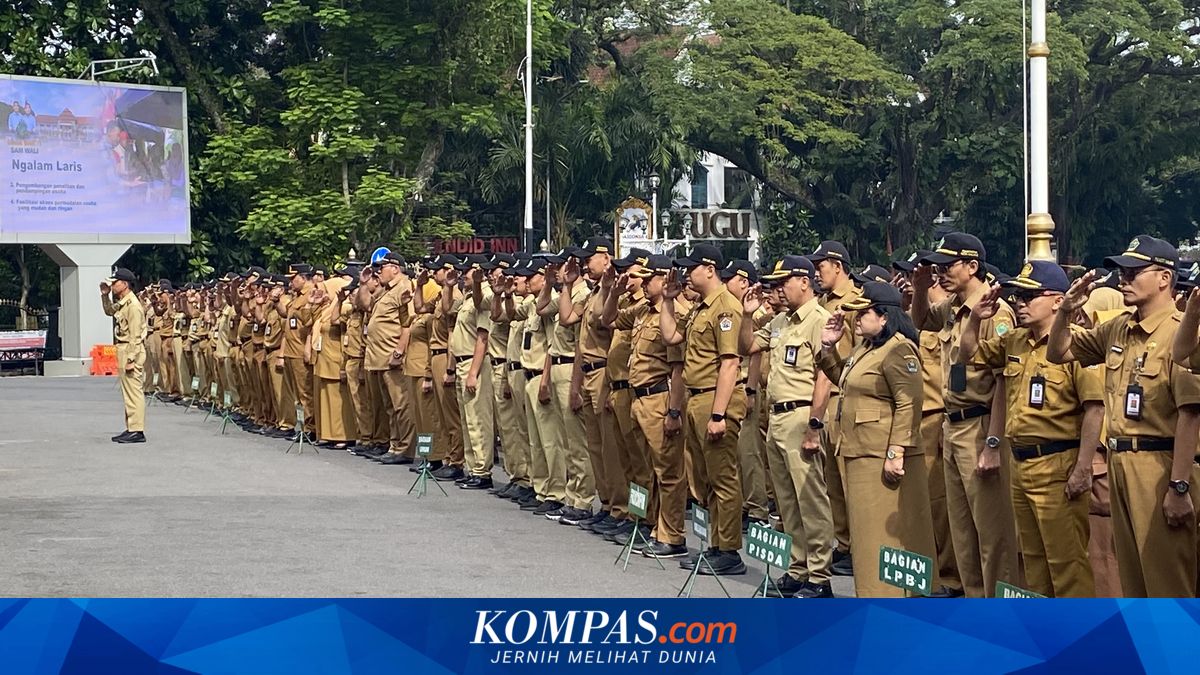
JAKARTA, KOMPAS.com - A public policy expert from the University of Indonesia, Lina Miftahul Jannah, stated that the government does not need to wait two months to evaluate the work-from-home (WFH) policy. According to Lina, the government should not hesitate to evaluate if, midway through, the WFH is deemed not to have a positive impact on the performance of civil servants (ASN). “In my view, even one month should be sufficient for evaluation; that means they would have implemented WFH four times already,” Lina told Kompas.com on Monday (6/4/2026). Lina explained that within four weeks, it would already be possible to see whether the policy impacts the government’s objectives, such as reducing energy consumption, or the opposite. “For example, regarding public services, if services are needed on Fridays but are disrupted due to WFH and so on,” she added. This step is considered important so that the government can gather accurate information from the public, ensuring the policy is not misguided. Reasons for Implementing WFH The government has officially implemented the WFH policy for civil servants (ASN) every Friday starting from 1 April 2026. Coordinating Minister for the Economy Airlangga Hartarto explained the reasons for choosing Friday as the implementation day for WFH. The policy is applied while still ensuring that public services and strategic sectors operate normally. Airlangga noted that Friday was selected because the workload of ASN is relatively lighter compared to other working days. Work activities on that day are considered not as intensive as Monday to Thursday. Additionally, this policy also adopts practices from several ministries that have previously implemented a four-day workweek pattern, especially after the COVID-19 pandemic, supported by digital systems.