
No Medical Equipment Needed: How to Check Your Own Heart Rate
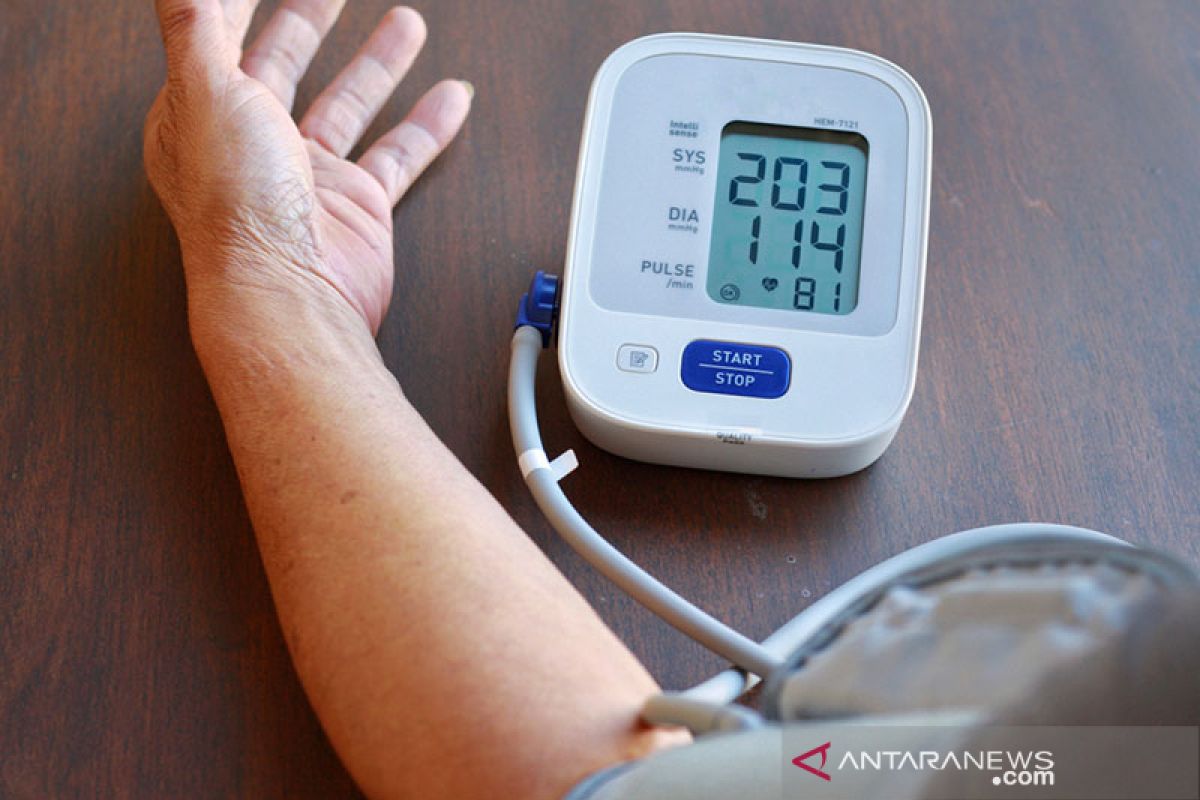
Jakarta (ANTARA) - You do not always need medical equipment to find out about your heart health. One simple method you can use at home is to check your pulse and measure your heart rate yourself.
The method requires only two fingers and a little care. By counting the beats for one minute, you can get an indication of your heart rate while your body is at rest.
Taking this measurement can also be a first step towards recognising changes in your body, especially if you do it regularly.
The wrist is one of the easiest places to check your heart rate. This method is known as measuring the radial pulse.
Follow these steps:
Sit or lie down comfortably, then rest for about five minutes so your body is calm.
Place one hand with its palm facing upwards.
Put the index and middle fingers of your other hand on the inside of your wrist, just below the base of your thumb.
Press gently until you feel the pulse. Avoid using your thumb, as it has its own pulse.
Once you find the pulse, count the beats for 60 seconds.
Record the result to determine your heart rate in beats per minute.
If you want to use a shorter period, count the beats for 30 seconds and multiply the result by two. However, counting for a full 60 seconds is recommended, particularly if the pulse feels irregular.
You can also check your pulse on the side of your neck. This method is known as measuring the carotid pulse.
It is straightforward:
Sit or lie down comfortably.
Place your index and middle fingers on one side of your neck, next to your windpipe.
Press gently until you feel the pulse.
Count the beats for 60 seconds.
Record the result as your heart rate in beats per minute.
Do not press both sides of the neck at the same time, as this can affect blood flow. Also avoid pressing too hard while looking for the pulse.
When is the best time to measure your heart rate?
If you want to find out your resting heart rate, the best time to take the measurement is in the morning after waking up.
Before measuring, make sure you have not done strenuous activity, consumed caffeinated drinks or smoked. These can affect your heart rate.
Try to take the measurement at roughly the same time each day so that results are easier to compare and monitor.
According to the American Heart Association (AHA), a normal resting heart rate for adults is between 60 and 100 beats per minute.
However, the figure can vary depending on a person’s age, fitness level, health and activity.
People who exercise regularly, for example, may have a resting heart rate below 60 beats per minute. This does not necessarily indicate a health problem, as a trained heart can pump blood more efficiently.
By contrast, a heart rate that is consistently above 100 beats per minute at rest should be monitored. This may be associated with tachycardia, although the cause needs to be confirmed through a medical examination.
If your heart rate feels irregular or is accompanied by dizziness, shortness of breath, chest pain or near-fainting, seek medical attention promptly.
Checking your own heart rate is not a substitute for a doctor’s examination. However, this simple habit can help you become more aware of your body’s condition and recognise when changes in your heart rate require further attention.
Source: jawawa.id (https://jawawa.id/newsitem/no-medical-equipment-needed-how-to-check-your-own-heart-rate-1794711138)
Originally published by Antara (Indonesian) (https://www.antaranews.com/berita/5855019/tak-perlu-alat-medis-begini-cara-mengukur-detak-jantung-sendiri), translated from Indonesian