
No Longer Automatically Tax-Free: PKB Calculation for Affordable Electric Cars
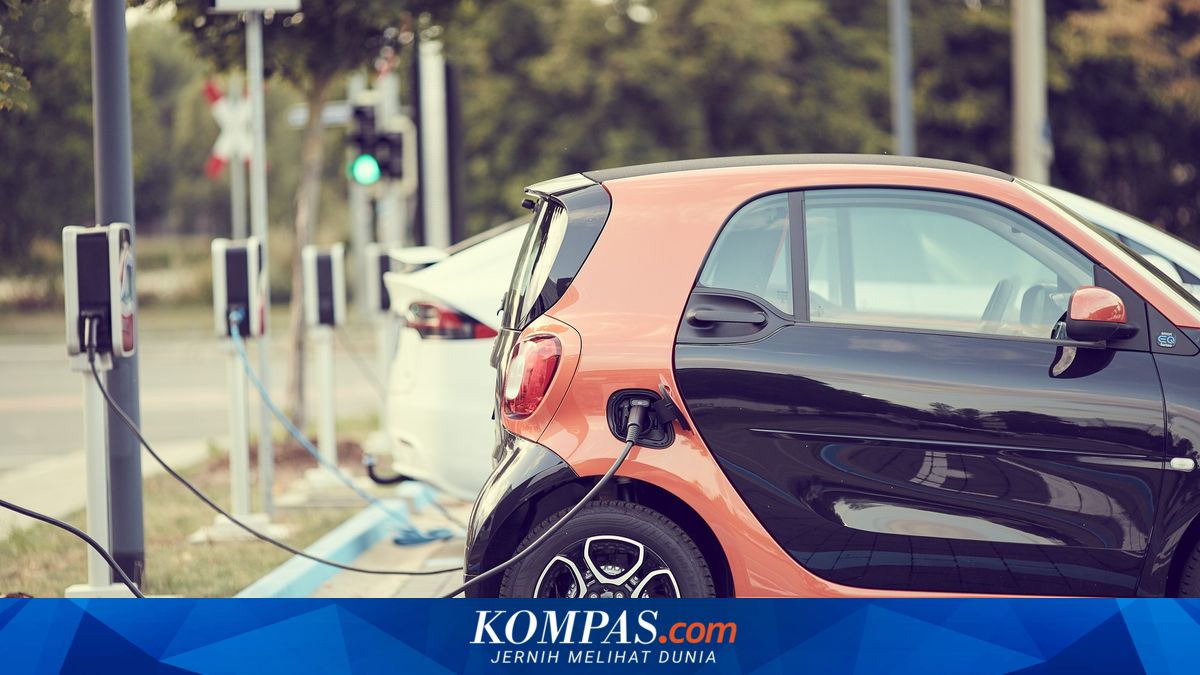
JAKARTA, KOMPAS.com - The Indonesian government has officially changed its approach to imposing taxes on electric vehicles through Minister of Home Affairs Regulation (Permendagri) No. 11 of 2026.
Unlike previously, battery-based electric vehicles (KBLBB) or battery electric vehicles (BEVs) are no longer automatically exempt from Motor Vehicle Tax (PKB) and Motor Vehicle Ownership Transfer Tax (BBNKB).
This change contrasts with Permendagri No. 7 of 2025, where renewable energy-based vehicles, including electric cars, were explicitly excluded from taxable objects.
Meanwhile, in the latest regulation, this formulation is no longer found explicitly. Article 3 still lists renewable energy vehicles as excluded objects, but without the detailed explanation as before.
At the same time, Article 19 opens the door for taxation, with the note that local governments may provide incentives in the form of exemptions or reductions.
Article 19
This means electric vehicles are no longer automatically tax-free. Their final status will depend on local government policies, whether granting full exemptions or only reductions.
For minibuses, both electric and internal combustion engine (ICE) vehicles have their weight equated at 1,050.
Based on the attachment to Permendagri No. 11 of 2026, here is a basic simulation of PKB imposition:
As a comparison, the lowest type Toyota Avanza with NJKB Rp 182 million has a PKB base of Rp 191.1 million.
Thus, electric vehicles no longer receive a guaranteed tax exemption as before, but rather depend on each region’s policies.
Source: jawawa.id (https://jawawa.id/newsitem/no-longer-automatically-tax-free-pkb-calculation-for-affordable-electric-cars-1776408657)
Originally published by Kompas (https://otomotif.kompas.com/read/2026/04/17/130608215/tak-lagi-otomatis-bebas-pajak-ini-hitungan-pkb-mobil-listrik-murah?utm_source=ABC&utm_medium=rss), translated from Indonesian