
No Leader Is Born Overnight
The MPR plenary session scheduled for 9 December 2026 will fill the vacant vice-presidential post. We should follow this constitutional process with prayers and hopes grounded in common sense. But behind the names being discussed lies a far more fundamental question: how has the Republic nurtured its leaders, and according to what pattern?
Leadership forged through a process
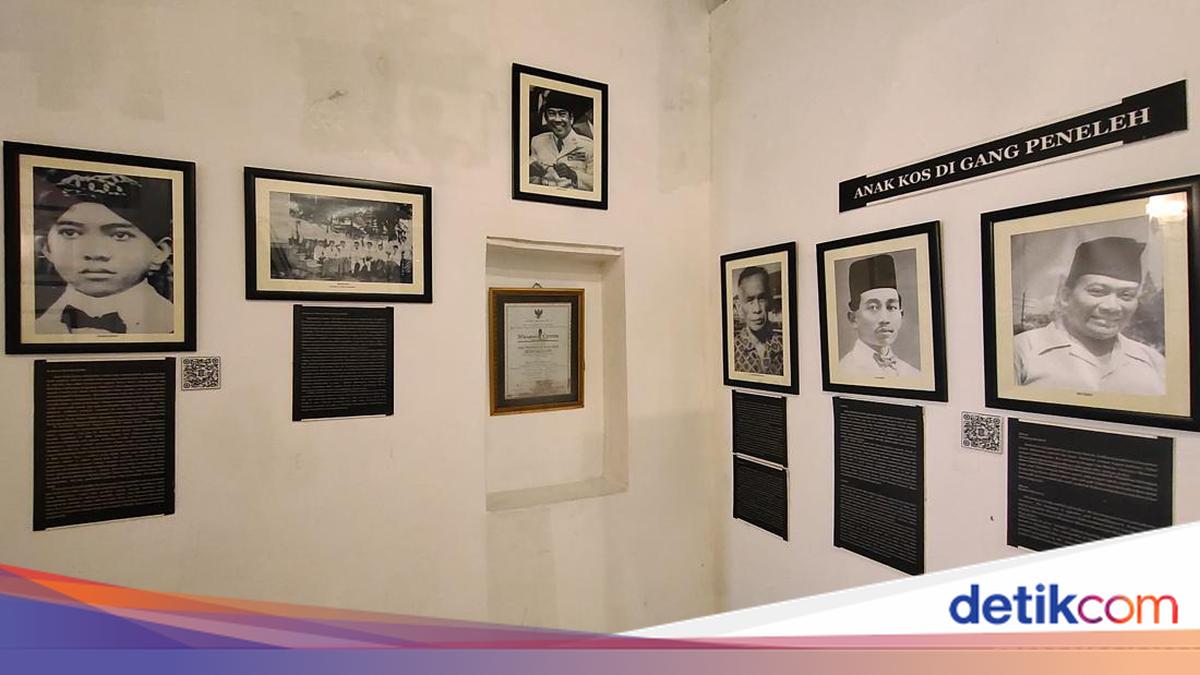
As a young man, Soekarno lodged at H.O.S. Tjokroaminoto’s home in Surabaya. He was not stepping into office, but entering a crucible: listening to discussions on nationhood, learning to speak and write, and witnessing a teacher whose example went hand in hand with his guidance of students.
The young Mohammad Hatta organised the Perhimpunan Indonesia in the Netherlands and defended the cause of independence in court at the age of 26. He was later exiled to Boven Digoel and Banda Neira, taking crates of books with him. Soedirman, a teacher and a member of the Hizbul Wathan scouting movement, was shaped by organisation and service long before he led the army. The young people of 1928, too, pledged allegiance to one homeland, one nation and one language long before there were any positions for them to hold in the country they envisioned.
The founders of the nation did not wait for seats of power to become leaders. They first became leaders in themselves and their families, and only then were entrusted by others.
Witnessing leadership succession since the 1990s
In the early 1990s, I was fortunate to attend Majelis Reboan regularly. At the forum, Gus Dur, Cak Nur, Eki Syachrudin, Djohan Effendi, Utomo Dananjaya, Soetipto Wirosardjono, Kang Mohamad Sobary, Victor Tanja and figures from different ethnic, religious and faith communities shared their ideas. There was no stage for the exercise of power. There was only intellectual depth, freedom of thought and the courage to disagree while maintaining respect.
Majelis Reboan discussions were held at different venues in turn. Pan Asia Research, where I worked at the time, was among the most frequent hosts. As one of the junior members then, we were eager to listen to discussions on the nation’s affairs, explored in a light yet profound way. Over coffee and the hosts’ refreshments, the atmosphere was always relaxed and warm.
At the time, no one discussed who should lead the Republic, or how, under the powerful leadership of Pak Harto. But history took an unexpected course. In 1999, Gus Dur was elected President of Indonesia. The leadership that later appeared so imposing had in fact long been honed in gatherings away from the attention of the media and public.
Another story I followed at close quarters was the emergence of leaders after the New Order. Since the Forum Dialog Indonesia (FDI) was declared in Jakarta on 26 September 1993, I often held discussions with young people who had graduated from universities across the country and worked in a range of professions. Participants included civil servants, lecturers, NGO activists, young officers who had graduated from the Military Academy, bankers, lawyers and others.
There, I interacted with Yuddy Chrisnandy, Second Lieutenant Teguh Arief Indratmoko, Indra Surya, Saefudin Noer, Fadli Zon, Chandra Hamzah, Marine Second Lieutenant Suhartono, Ibnu Hamad, the late Tubagus Rizon Sofhani, the late Indra Kanginden, Nadia Madjid, Sugeng Suparwoto, Teguh Juwarno, the late Arif Budimanta, Darmawan Sepriyossa, Imas Shidiq, Rachmad Widiyanto, Nuryana, Kusaeri, Wahyu Agung Permana and others of our generation.
Every two months, we exchanged ideas and took turns inviting senior figures to discuss our papers. They included Rizal Ramli, Emha Ainun Nadjib, Eki Syachrudin, Adnan Buyung Nasution, Jumhur Hidayat and others. We then developed the ideas together and presented them to a range of audiences, from civilian and military circles to the House of Representatives, universities, media leaders, political parties and Lemhannas RI.
The energy of discussion carries into the future
The critical thinking, proposals and recommendations attracted the attention of the Governor of Lemhannas at the time, Lieutenant General R. Hartono. Through his daughter, Siti Hardijanti Rukmana, he helped convey these ideas directly to President Soeharto.
Discussions initially limited to FDI activists every two months expanded to sessions at the Lemhannas RI building with its expert staff and governor. The dialogue then reached the highest level of government: President Soeharto, at his home on Jalan Cendana in Central Jakarta. The conversations were always informal and warm, like those between a parent and children.
On one occasion, at the home of Siti Hardijanti Rukmana, who often served as a bridge between our discussions and Pak Harto, we were introduced to her brother-in-law, then the Commander of the Army’s Special Forces Command (Kopassus), Major General Prabowo Subianto.
These young people from different professions continued to sharpen their reasoning, attitudes and listening skills, and their courage to express their views, while sustaining critical thought about national issues. They were shaped together with thinkers and some of the country’s most important decision-makers. When the Reformasi movement unfolded, I was studying abroad, having left in May 1997. By the time I returned to Indonesia, Pak Harto had stepped down as president.
I believe leadership is measured not by how long someone sits in office, but by the preparedness of those they leave behind. Every thought, conversation and action is an energy that continues to spread. In accordance with sunatullah—the divine order of nature—the law of the conservation of energy holds: energy is never lost, only transformed.
Sunatullah: results never betray the process
The Qur’an reminds us that sunatullah never changes. Rice does not bear fruit the next morning, and a great tree does not grow overnight. Short cuts may secure a position, but they rarely produce wisdom. Leaders who emerge instantly will be fragile in a crisis because they have never been tested before it arrives.
The process must also be grounded in ethics. Results do not betray the process, but they are faithful only to an honest process. Trust must not be attained through methods that undermine it. The founders of the nation set a real example; we need only continue it with gratitude and joy.
Building a pattern and culture of succession
From these experiences and historical references, we can draw six important lessons:
Cultivate leadership from a young age: Give young people room to organise, write, debate and serve the community.
Provide guides, teachers and mentors: Great leaders are shaped by guidance that builds maturity and wisdom.
Bring generations and viewpoints together: Help young people navigate differences, build solidarity and work with others. The diverse Reboan and FDI forums show that senior figures’ wisdom can combine effectively with the courage of junior members as they develop.
Test them in different fields: Prepare prospective leaders in local areas, institutions and difficult times, rather than relying solely on fleeting popularity or electability.
Make ethics an absolute requirement: Treat ethics as the foundation, not a mere embellishment.
Prepare successors from the first day in office: Apply a merit system, not cronyism or nepotism. Every leader should ask themselves each year: who am I preparing to surpass me?
Today it is our turn; tomorrow it will be theirs
Indonesia is moving towards the centenary of its independence in 2045. Time is short, and that is precisely why we must not rush at the expense of the process. Whoever is entrusted with responsibility in Senayan, the State Palace, other state institutions, ministries and agencies, state-owned enterprises, or as a regional or national leader, history will judge them not by how loudly they are welcomed, but by how many better leaders they nurture as the next generation.
May the Republic continue to produce leaders through a healthy process: shaped from a young age, guided by sincere teachers, tested by time and safeguarded by ethics. Ultimately, results never betray the process. Today this responsibility rests on our shoulders; tomorrow it will be their turn.
May you fulfil your responsibilities wherever you are. Have you prepared better successors for the association or organisation you lead? The realisation of Indonesia Maju 2045 depends greatly on how we sow the seeds of leadership—a responsibility we share.
Source: jawawa.id (https://jawawa.id/newsitem/no-leader-is-born-overnight-1795596829)
Originally published by detikcom (https://news.detik.com/kolom/d-8769374/tak-ada-pemimpin-yang-lahir-dalam-semalam), translated from Indonesian