
No Joke! DJP Monitors Taxes via Web Scraping and Scientific Papers
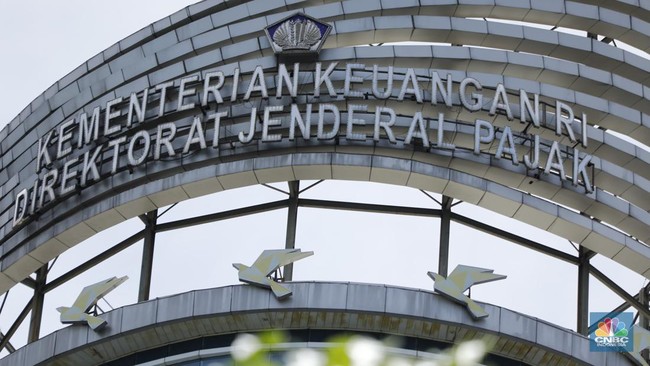
The Directorate General of Taxes (DJP) at the Ministry of Finance is strengthening its strategy for monitoring taxpayer compliance through a combination of conventional approaches and the use of digital technology. This move is outlined in Circular Letter (SE) Number SE-8/PJ/2026 concerning Guidelines for Taxpayer Compliance Monitoring. Through this regulation, the DJP implements two main methods of economic data collection: field data collection and non-field data collection. Both approaches are intended to expand the tax database while improving taxpayer compliance. In the field method, officers may visit the residence, domicile, business location, or freelance workplace of taxpayers and related parties to identify tax subjects and objects. Meanwhile, non-field data collection is carried out without direct visits to the location. The DJP utilises information technology and various available administrative means to obtain the necessary data and information. “Regional supervision is carried out through economic data collection activities in the work area. This is done to encourage increased taxpayer compliance as an effort to expand the database and master the territory. This activity can be carried out by all DJP employees as a means of obtaining data and/or information from various sources, both through field data collection and non-field data collection activities,” wrote SE Number SE-8/PJ/2026. In practice, the DJP retains a number of conventional supervisory methods. These activities include visitation, area sweeping, direct observation, and building information networks involving Village Supervisory Non-Commissioned Officers (Babinsa) and Community Security and Order Supervisory Officers (Bhabinkamtibmas). On the other hand, the tax authority is also beginning to optimise the use of technology in the supervisory process. Some of the methods used include remote sensing, web scraping to extract data from websites, and the utilisation of various information available in the media. Not only that, the DJP also prioritises an approach based on scientific analysis and study. This step is carried out through reviewing journals or scientific papers, analysing unidentified data, dissecting taxpayer profiles, dissecting economic areas, mirroring the results of audits and investigations, and strengthening cooperation through taxation partnerships. According to the DJP, all these supervisory activities begin with a systematic identification and data collection process so that the supervisory function can run more effectively, measurably, and be data-based. “The supervisory activities for taxpayer compliance begin with a systematic identification and data collection stage to support the implementation of an effective and measurable supervisory function,” the DJP stressed in the circular letter.