
No Ego Among Us: Indonesia and Allies Open to Russia, Europe Worried
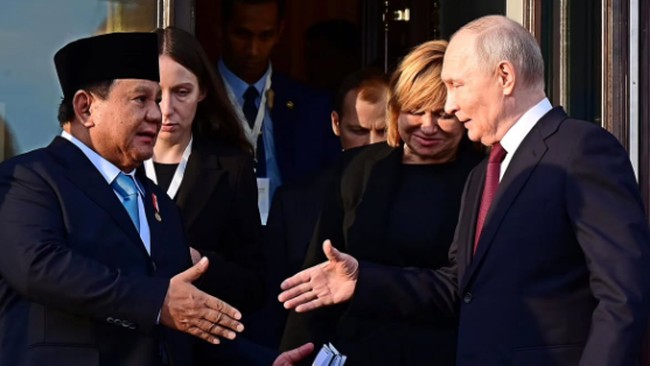
Europe’s concerns over the shifting global energy landscape are intensifying, as Southeast Asian countries open their doors wider to Russia amid supply crises stemming from Middle East conflicts.
According to The Guardian, the European Union has openly warned Southeast Asian nations against switching to Russian oil to cover widespread energy shortages. The call was made directly by the EU’s foreign policy chief, Kaja Kallas, following a meeting with ASEAN foreign ministers in Brunei on Tuesday (28/4/2026).
Kallas urged countries in the region to consider the “bigger picture”, reminding them that purchasing oil from Russia would only prolong the conflict in Ukraine. In her view, such a move would indirectly help Moscow fund the war.
However, on the ground, the warning appears to have been largely ignored. Southeast Asian countries, which have long relied heavily on energy and fertiliser supplies from the Middle East, are instead exploring or even signing cooperations with Russia.
Indonesia stands out as a prime example. The government announced last week plans to import up to 150 million barrels of Russian crude oil, following President Prabowo Subianto’s meeting with Russian President Vladimir Putin in Moscow.
In the same region, the Philippines, a close US ally, received its first shipment of Russian crude oil in five years in March. Meanwhile, Thailand is reportedly negotiating to purchase fertiliser from Russia, and Vietnam is accelerating the implementation of a pre-war agreement to build a nuclear power plant.
For Russia, this situation is a boon. The surge in global energy prices, along with temporary easing of sanctions allowing purchases of Russian oil at sea, has generated billions of dollars in revenue, while reinforcing the narrative that Western efforts to isolate Moscow have failed.
This wave of cooperation also raises new questions: is the Middle East conflict opening opportunities for Russia to deepen its influence in Southeast Asia?
Several surveys indicate that Russia’s image in the region is relatively positive. Even Russia’s 2022 invasion of Ukraine is said to have had little impact on public opinion.
A 2024 Economist survey showed that over 50% of respondents in Indonesia and Vietnam want Russia to win the war. Meanwhile, a 2025 Pew Research Center survey noted that 64% of Indonesians hold a positive view of Russia, compared to 48% for the United States.
Researcher from the ISEAS-Yusof Ishak Institute, Ian Storey, explained Russia’s appeal in the region.
“Putin is seen as a strong figure standing against the West and defending traditional values. That macho image is quite acceptable in many countries in the region,” he said.
He added that Russia also has historical ties with countries like Vietnam and Laos, and is perceived as relatively friendly to the Muslim world due to its support for Palestine.
Nevertheless, analysts believe Russia’s ability to expand its influence has limits. Compared to the US and China, Russia lacks comparable economic and military power.
Additionally, Russia’s dependence on China could be a consideration for Southeast Asian countries with maritime disputes with Beijing.
On the other hand, the US decision to temporarily ease sanctions on Russian oil shipments since March has also driven this dynamic. That policy, extended for 30 days in mid-April following pressure from Asian countries like the Philippines and India, has opened space for nations to continue buying Russian oil.
Washington’s next decisions will be crucial in determining whether this trend continues.
One sector that could serve as an entry point for Russia is nuclear energy. Storey believes the current crisis is pushing countries to reassess their energy strategies.
“This crisis is making countries reassess their relationships and make adjustments. They will look at issues like energy sovereignty, diversification, and renewables,” he said.
As a major player in the global nuclear power industry, Russia has signed contracts with Myanmar and Vietnam. However, competition from other countries remains fierce in this sector.
“(Russia) promotes itself as a reliable and stable partner for Southeast Asia, especially in terms of food and energy security,” said Storey.
For Indonesia, energy cooperation with Russia also has a political dimension. Professor Leszek Buszynski from the Australian National University’s Centre for Strategic and Defence Studies views the move as reflective of Jakarta’s non-aligned policy.
“Indonesia wants to gain recognition of its status from Moscow and send a signal to the Western world and the United States that they will not follow their directives,” he said.
On the other hand, Russia also sees strategic value in Indonesia’s position in international forums like the UN, G20, and BRICS, where Jakarta often supports the narrative that the Ukraine war is a “Western problem”.
As a sign of close ties, Russia and ASEAN are scheduled to hold a summit commemorating 35 years of partnership in Kazan in June. While it may not yield major agreements, the meeting is seen as symbolically important.
“This is essentially a big photo opportunity for Putin,” said Storey, describing how Moscow wants to show it still has allies on the global stage.
Source: jawawa.id (https://jawawa.id/newsitem/no-ego-among-us-indonesia-and-allies-open-to-russia-europe-worried-1777506842)
Originally published by CNBC Indonesia (https://www.cnbcindonesia.com/news/20260429220716-4-731106/tak-ada-gengsi-di-antara-kita-ri-cs-terbuka-butuh-rusia-eropa-cemas), translated from Indonesian