
No Blanket Approach: IUP Moratorium Must Consider Law-Abiding Mining Operators
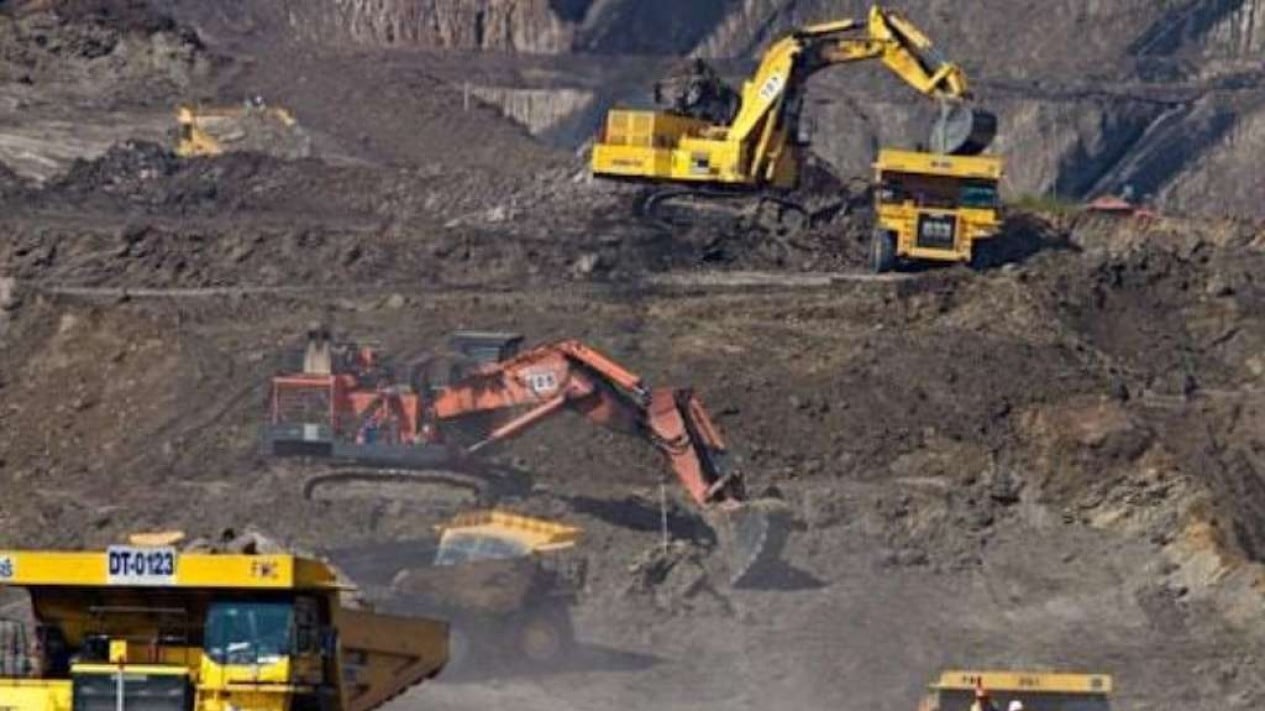
The government’s policy of conducting evaluations and implementing a temporary moratorium on Mining Business Licences (IUP), particularly in the East Kalimantan region, is beginning to create a domino effect on the ground.
Not only is this prolonged policy hindering the national investment climate, but it is also starting to stifle the economic livelihoods of local communities that depend heavily on the mining sector. While the government’s courage in regulating mining governance is appreciated, there are concerns that an evaluation without a definite deadline could backfire on both regional and national economies if not resolved comprehensively and precisely.
Fahmy Radhi, an energy expert from Gadjah Mada University (UGM), emphasised that the government’s evaluation steps are progressive if the pure intention is to curb environmental destruction and eradicate illegal mining practices. However, he stressed that this curative process must not be applied indiscriminately, nor should it be delayed for companies that are strictly compliant with state regulations.
“If the government has established standards and criteria for granting licences, and if those standards have been met, then the process must be accelerated. There is no reason to delay,” Fahmy stated in a briefing on Saturday, 26 September 2026.
He detailed that mining entrepreneurs with good track records who have fulfilled all crucial prerequisites deserve legal certainty and guarantees. The government should promptly issue licences to law-abiding business entities to ensure the economic engine continues to run and the business climate remains healthy.
“But if the requirements have been met, including, most importantly, reclamation plans—if all of that is fulfilled, there is no reason for the government not to issue the IUP,” he added.
On the other hand, regarding concerns that coal supplies for PLN power plants are being disrupted due to the moratorium, Fahmy firmly rejected the notion that this is purely a result of declining production quotas. From this economist’s perspective, the root cause of the supply bottleneck to PLN is actually due to the low compliance of certain rogue entrepreneurs regarding the 20 per cent Domestic Market Obligation (DMO).