
Nine West Papua Schools Compete in MPR RI Four Pillars Quiz 2026
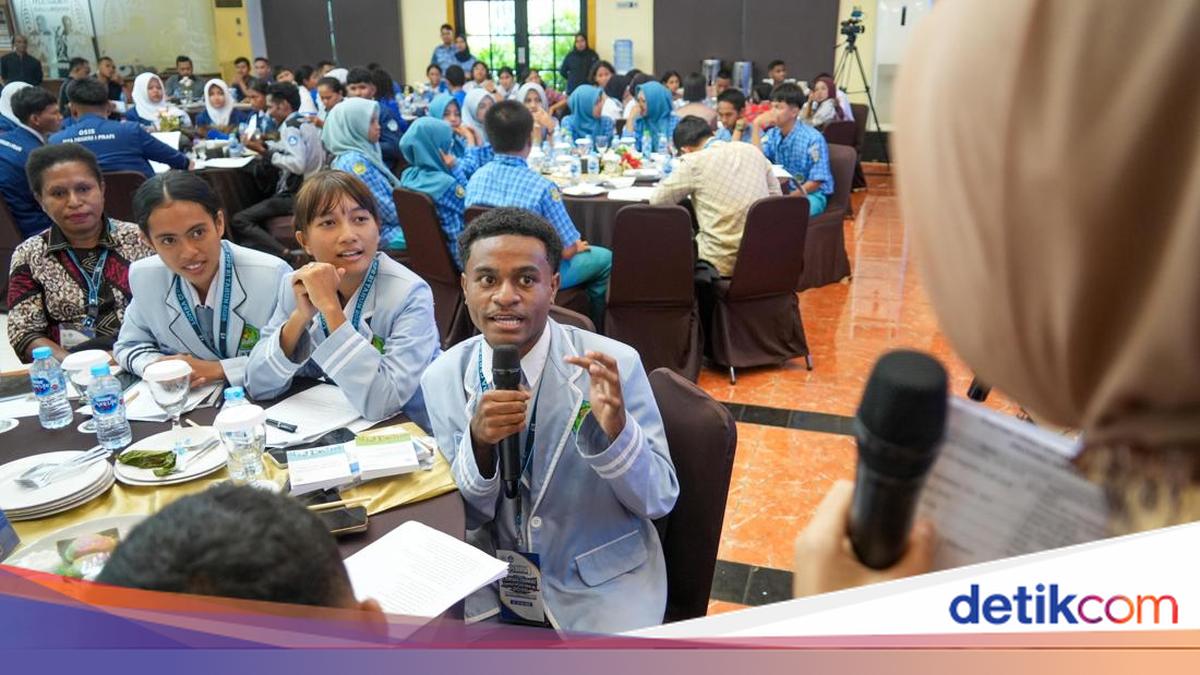
Enthusiasm among students marked the implementation of the MPR RI Four Pillars Quiz at the West Papua Provincial Level for 2026, held in Manokwari Regency from Friday (10/7/2026) to Saturday (11/7/2026). Nine schools from various regencies in West Papua Province competed for the provincial champion title and a ticket to the MPR RI Four Pillars Quiz National Finals in Jakarta.
The series of activities began with a technical meeting and simulation. Through these activities, participants received explanations regarding the competition mechanism, rules, and an opportunity to get to know each other before entering the preliminary rounds leading to the final held today.
Present at the event were the Head of the Bureau for Conference and Constitutional Dissemination of the MPR RI Secretariat General, Wachid Nugroho, representatives from the West Papua Provincial Education Office, and three academics from universities in West Papua acting as the jury panel.
The schools participating in this competition are SMAN 1 Manokwari, SMAN 1 Bintuni, MAN Fakfak, SMAN 1 Prafi, SMAN 2 Manokwari, MAN Manokwari, SMA IT Insan Mulia Manokwari, SMK Kehutanan Negeri Manokwari, and SMAN Taruna Kasuari Nusantara Papua Barat.
Participants’ enthusiasm was evident from the first day of the event. To take part in this competition, several schools had to undertake long journeys to Manokwari. The MAN Fakfak team, for example, had to travel by road for almost a full day. Meanwhile, participants from SMAN 1 Bintuni travelled by road for more than five hours to reach the competition venue.
"Our preparations began on Wednesday, including training and the journey to Manokwari," said one of the SMAN 1 Bintuni participants, Adli Aldi Arsyafin Fimbay, in a statement on Saturday (11/7/2026). Adli said his team came with the determination to deliver the best results. Behind that spirit, a simple story brought smiles. One team member’s mobile phone was damaged, leaving them unable to communicate with their family. Therefore, jokingly, they hoped the prize they would win could help buy a new mobile phone for their friend.
Although delivered in a joking tone, Adli stressed that all team members had prepared themselves optimally with their supervising teachers and were ready to give their best abilities in every round of the competition.
During the briefing session, the Head of the Bureau for Conference and Constitutional Dissemination of the MPR RI Secretariat General, Wachid Nugroho, invited participants to understand the meaning of the MPR RI Four Pillars, particularly Pancasila as the foundation of the state and a guide in social, national, and state life. According to Wachid, the development of social media has opened a wide space for the younger generation to express themselves and interact. However, on the other hand, this development also presents challenges in the form of incoming values and information that need to be addressed wisely.
Therefore, he stressed the importance of making Pancasila values a guide in filtering various influences coming through social media and global developments. In a dialogue with participants, Wachid invited them to identify Pancasila values that live within the traditions of West Papuan society. One participant cited the spirit of mutual cooperation reflected in the organisation of the National Church Choir Festival (Pesparawi), which involved interfaith communities and various regional elements in making the event a success.
Meanwhile, a participant from SMAN 1 Manokwari highlighted the Bakar Batu or Barapen tradition as a tangible manifestation of the values of mutual cooperation, togetherness, and unity that have taken root in the lives of the Papuan people. Responding to this, Wachid affirmed that local wisdom values are part of the nation’s wealth and align with Pancasila values.
He expressed hope that a good understanding of Pancasila would not only serve as a provision for participating in the MPR RI Four Pillars Quiz but also become a foundation for students in their daily lives as the nation’s next generation. "Technological developments and the currents of globalisation must be addressed wisely. The younger generation needs to continue to hold firmly to Pancasila values so that national identity and character are maintained," he concluded.