
Nine Reasons an Automatic Motorcycle Engine May Suddenly Cut Out When Stopped
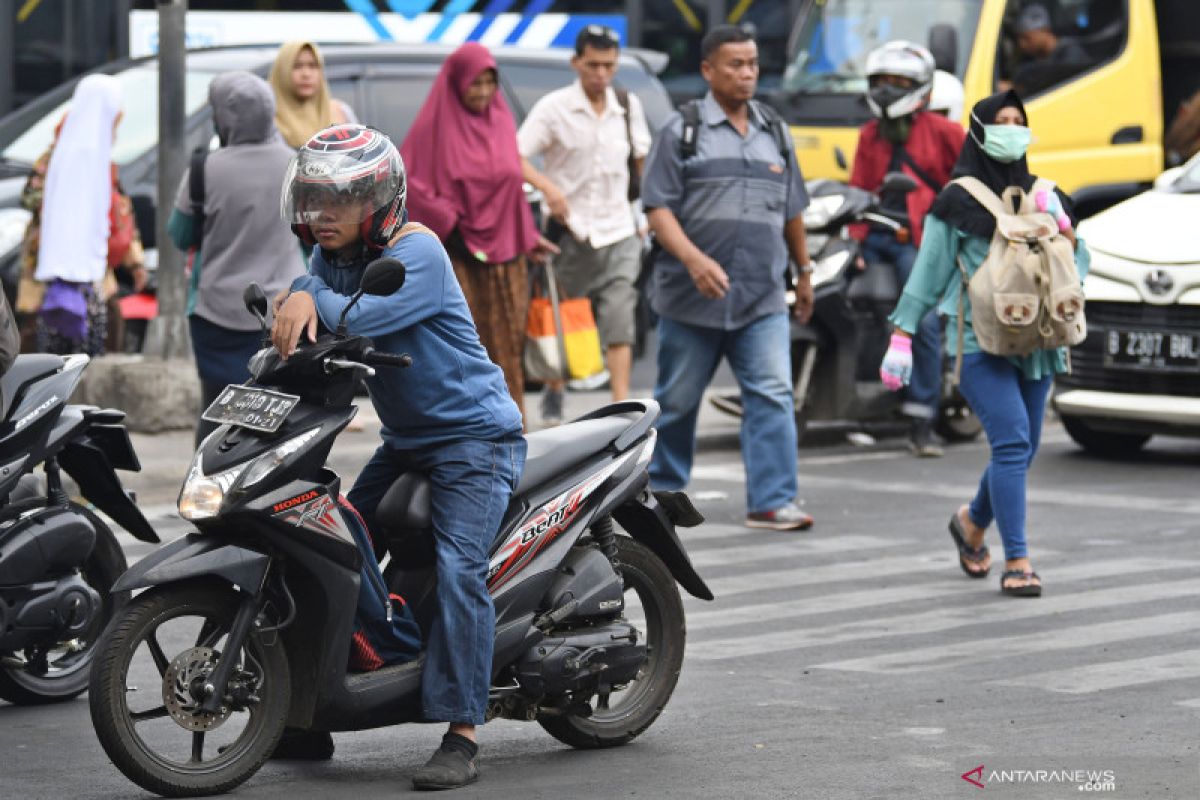
Jakarta (ANTARA) – A fuel-injected motorcycle that suddenly cuts out at a traffic light or in a traffic jam can disrupt a journey. This can happen when the engine speed is unstable, particularly after the rider releases the throttle and the engine needs to keep running at idle.
Electronic fuel-injection systems are designed to regulate the supply of fuel and air according to the engine’s needs. When the motorcycle stops, the system must still keep the engine speed from falling so low that the engine stalls.
Problems with the air intake, fuel system, ignition or electronic sensors can disrupt this process. However, a sudden stall is not necessarily caused by a fault in the fuel-injection system itself.
Recognising symptoms that appear before the engine stops can help riders identify the possible source of the problem and decide what should be checked. The following are some possible causes, according to experts at automotive manufacturers.
Reasons a fuel-injected motorcycle may suddenly stall when stopped
1. Dirty throttle body
The throttle body regulates the amount of air entering the engine. On a fuel-injected motorcycle, it plays an important role in keeping the engine speed stable, especially when the throttle is released.
A build-up of dust and carbon around the throttle valve can disrupt airflow. As a result, the engine speed may become unstable when the motorcycle is idling or stopped.
Common symptoms include fluctuating engine speed, hesitation and the engine suddenly cutting out when the rider releases the throttle.
The throttle body should be inspected and cleaned in accordance with the manufacturer’s procedures. If the problem persists after cleaning, a mechanic should check whether another component is at fault.
2. Faulty idle-speed control system
Idle is the condition in which the engine remains running without the rider opening the throttle. On some fuel-injected motorcycles, idle speed is stabilised by components such as an Idle Speed Control (ISC) valve or an air-control system for idling.
If these components are dirty, stuck or damaged, the airflow when the throttle is closed may not meet the engine’s needs.
As a result, engine speed can drop suddenly until the engine stalls, particularly when the motorcycle is stopped at traffic lights or in a traffic jam.
The remedy depends on the type of system fitted. Inspection and cleaning should follow the service instructions, while damaged components should be repaired or replaced if necessary.
Not all fuel-injected motorcycles use the same idle-control mechanism. Checks should therefore be based on the vehicle’s specifications.
3. Dirty or clogged injector
The injector sprays fuel into the engine’s intake in the quantity and pattern required for combustion.
If deposits or dirt clog the injector openings, fuel spray can be disrupted. This may make combustion unstable, particularly at low engine speeds.
Symptoms can include a sputtering engine, hesitation during acceleration, increased fuel consumption and stalling when stopped.
A mechanic can inspect the injector and its spray pattern to confirm the cause. Cleaning or replacement should be based on the inspection results, not simply on a guess.
4. Dirty air filter
The air filter removes dust and particles from the air entering the engine. If it becomes too dirty, airflow can be restricted and combustion affected.
In some circumstances, restricted airflow can reduce engine performance, slow throttle response and make engine speed less stable.
The air filter should therefore be checked regularly, particularly if the motorcycle is often ridden on dusty roads or in heavy traffic.
Cleaning or replacement should follow the manufacturer’s instructions, as not all types of air filter can be cleaned in the same way.
5. Worn spark plug or ignition-system fault
The spark plug produces the spark needed to ignite the air-fuel mixture in the combustion chamber. If it is worn or damaged, combustion may be disrupted.
This can make the engine difficult to start, cause it to hesitate or lose power, or make it stall suddenly as engine speed falls.
The fault may also lie with the ignition coil, wiring or related electrical connections.
Checks are needed to determine whether the spark plug remains serviceable and whether the ignition system is working properly. Any faulty components should be repaired or replaced in line with the motorcycle’s specifications.
6. Fuel pump not working properly
The fuel pump supplies petrol from the tank to the injector at the pressure required by the engine.
If the pump is weakening, the fuel filter is clogged or there is a problem with the fuel flow, the engine may not receive enough fuel.
The motorcycle may then lose power, hesitate during acceleration, become difficult to start or stall suddenly. In some cases, the problem becomes more noticeable once the engine is hot.
Fuel pressure and the condition of the pump should be checked to confirm the source of the problem. If the pump or its supporting components are not operating to specification, a mechanic can determine what repairs are needed.
7. Faulty fuel-injection sensor
The fuel-injection system uses a number of sensors to send information to the Electronic Control Unit (ECU), the engine’s electronic control unit.
This information is used to adjust fuel supply and ignition according to the engine’s operating conditions.
If a sensor malfunctions or provides inaccurate data, engine management may be disrupted. One possible symptom is unstable idle speed, which can lead to the engine stalling when stopped.
The sensors involved vary by motorcycle model. A fault in the throttle position sensor, for example, can affect the reading of the throttle opening and the engine’s settings.
If the Malfunction Indicator Lamp (MIL) comes on, the motorcycle should be checked in accordance with the manufacturer’s procedures. A mechanic can use diagnostic equipment to read the fault codes before deciding which component needs attention.
8. Leak in the intake-air system
A leak in an intake hose or connection can allow air to enter the engine through an unintended route.
This can disrupt the calculation of the air-fuel mixture, particularly at low engine speeds. Symptoms may include fluctuating engine speed, inconsistent throttle response or the engine stalling when the throttle is released.
Leaks can result from cracked hoses, loose connections or ageing rubber components.
An inspection should cover the hoses, connections and air-intake passages. Any damaged components should be repaired or replaced.
9. Valve clearance outside specifications
The engine’s valves control the entry of the air-fuel mixture and the exit of exhaust gases. For them to work properly, valve clearance must meet the manufacturer’s specifications.
Clearance that is too tight or too wide can affect engine performance. In some circumstances, this can make the engine difficult to start, reduce power or cause unstable idling.
However, an engine stalling when stopped is not enough on its own to establish that valve clearance is the cause. A mechanical inspection is needed to determine whether the valves require adjustment.
If the problem is related to valve clearance, a mechanic should adjust it to the measurements specified by the manufacturer.
Before replacing any components, riders should note when the problem occurs and what symptoms accompany it. This information can help a mechanic decide what to inspect.
The following steps may help:
Check the fuel. Make sure there is enough petrol and look for any obvious problem with its delivery. If the motorcycle often stalls after refuelling, tell the mechanic so the fuel quality and related systems can be checked.
Monitor engine speed. If the motorcycle has an engine-speed indicator, note whether the reading fluctuates before the engine stops. Record whether the problem occurs when the engine is cold, after it has warmed up or whenever the throttle is released.
Check the warning light. If the MIL is on, do not immediately assume the injector or ECU is faulty. The fault codes need to be checked to identify the possible cause.
Maintain the air filter and throttle body. These components should be inspected according to the maintenance schedule. Cleaning should be carried out using a suitable method to avoid damaging sensors or electronic components.
Check the spark plug and ignition system. If the engine is also difficult to start or hesitates during acceleration, inspecting the spark plug and ignition components may help identify the cause.
Take the motorcycle to a workshop if the problem recurs. If it continues to stall when stopped despite having enough fuel, further inspection is needed. A mechanic can check fuel pressure, the ignition system, sensors, air passages and the engine’s mechanical condition.
Avoid changing the idle-speed setting arbitrarily or resetting the ECU without knowing the cause. An incorrect adjustment may mask the symptoms temporarily without fixing the underlying problem.
A motorcycle that occasionally stalls when stopped should still be checked, particularly if the problem is becoming more frequent. The risk is greater if the engine cuts out while the motorcycle is moving or as the rider turns at a junction.
Pull over to a safe place promptly if the engine stalls repeatedly, there is a strong smell of fuel, a leak is visible or an unusual electrical problem occurs. Do not continue riding if the motorcycle may be unsafe.
If the engine suddenly cuts out while riding, focus on controlling the motorcycle and pulling over safely before carrying out any checks. If the cause is unknown, seek help from a workshop to avoid further damage.
A fuel-injected motorcycle that suddenly stalls when stopped may have a problem with airflow, fuel supply, ignition, sensors or mechanical components. Diagnosis based on the symptoms and the vehicle’s specifications is preferable to immediately replacing a particular part. Regular maintenance also helps identify problems early, before they disrupt a journey.