
Nine Hajj Pilgrims from Balikpapan Embarkation Pass Away in Saudi Arabia
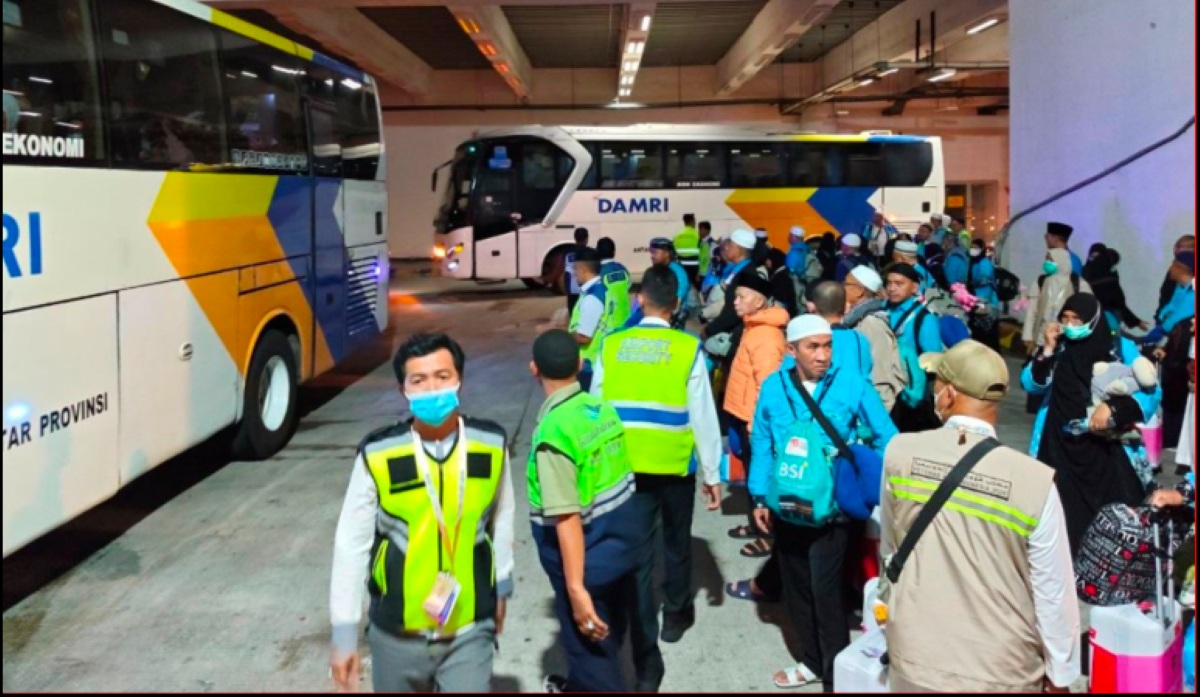
The Balikpapan Office of the Ministry of Hajj and Umrah has reported that nine Hajj pilgrims from the Balikpapan embarkation died in Saudi Arabia during the 2026 Hajj season. The majority of the deceased belonged to the elderly group with high-risk medical histories.
The Head of the Balikpapan Ministry of Hajj and Umrah Office, Suharto Baijuri, shared this information during the welcoming ceremony for 360 pilgrims from Samarinda, who were part of Flight Group (Kloter) 1 of the Balikpapan embarkation. The debarkation process took place in Balikpapan on Monday (8/6/2026) before the pilgrims were transported to their home regions.
“Alhamdulillah, the entire arrival process for Kloter 1 proceeded smoothly, from the aircraft landing to the services provided at the Hajj dormitory. The first group to arrive consisted of 360 pilgrims from Samarinda. The debarkation process was orderly, and all return services were executed well,” said Suharto.
Suharto explained that after undergoing initial administrative and health checks, all pilgrims were handed over to the local government to be transported to Samarinda. However, despite the smooth return process, there was mourning over the deaths of nine pilgrims from this group.
“There were nine Hajj pilgrims from Kloter 1 of the Balikpapan embarkation who passed away in the Holy Land. Specifically, six individuals were from East Kalimantan, while one pilgrim each originated from North Sulawesi, Central Sulawesi, and North Kalimantan,” he revealed.
According to medical reports, the deceased were predominantly from the high-risk category, aged over 65. The primary cause of death was complications from chronic diseases. All deceased pilgrims were buried in Saudi Arabia in accordance with applicable regulations.
Suharto also added that some of the deceased pilgrims were unable to complete the full series of rituals at Armuzna (Arafat, Muzdalifah, and Mina). Additionally, two pilgrims in Kloter 1 underwent ‘tanazul’ (group transfer) as part of health service adjustments while in the Holy Land.
The government, through Hajj organisers, has emphasised that it will continue to conduct thorough evaluations of Hajj services, particularly during the debarkation phase and the protection of elderly pilgrims. “Service improvements are expected to enhance comfort and guarantee the safety of pilgrims, especially for elderly and high-risk groups, in the upcoming Hajj season,” he concluded.