
Nicotine and Tar Limit Regulations Threaten Workers and Tobacco Farmers
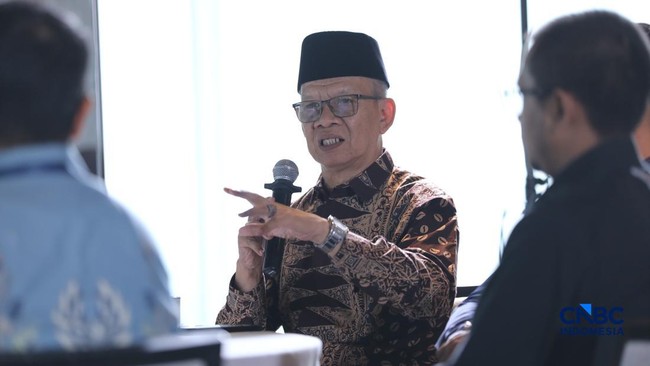
Jakarta, CNBC Indonesia - Various implementing regulations for Government Regulation Number 28 of 2024 continue to pressure tobacco farmers. One of the derivative rules being discussed is a proposal to limit tar content to a maximum of 10 milligrams and nicotine content to a maximum of 1 milligram for all tobacco products, with discussions coordinated by the Coordinating Ministry for Human Development and Culture. This policy discourse has raised various questions regarding its impact on the industry, labour, farmers, and the economy.
The Federation of Cigarette, Tobacco, Food and Beverage Workers Unions (FSP RTMM) SPSI assesses that the implementation of this rule will have a direct impact on economic and social conditions, including causing job losses and increasing the circulation of illegal tobacco products.
“It is difficult to obtain such low tar and nicotine limits for Indonesian products. If such limits are set, we would have to import the tobacco. That is also difficult,” explained Sudarto during a CNBC Indonesia Coffee Morning event titled “Dissecting the Tobacco Product Packaging Standardisation Regulation”, on Thursday (9/7/2026).
He therefore asked the government to consider the various impacts of the regulation, especially since tobacco is a contributor to the national economy. The high tar content in Indonesian cigarettes is known to be due to the majority of production being kretek cigarettes.
The market share of kretek cigarettes in Indonesia reaches 97%, while white cigarettes account for only 3%. This restriction on tar and nicotine levels could potentially erode the economic value of the tobacco products industry by up to Rp 700 trillion.
“Simple evidence is to look at how many factories existed then and now. How many workers were there then and now. This data is accessible. So these policies have sacrificed quite a lot of workers,” Sudarto explained.
Beyond the tar and nicotine limits, Sudarto also rejected the draft Minister of Health Regulation concerning standardised packaging currently under discussion. According to him, these regulations create intense, harsh, and even deadly pressure on the tobacco products industry.
The impact of this industry pressure will ultimately be felt directly by workers, especially hand-rolled kretek cigarette (SKT) labourers.
“It should be noted that in the employment relationship system, some workers in the sector, particularly hand-rolled kretek cigarettes, are on piece-rate wages. So they are vulnerable to any policy that impacts their daily income. If the goods produced decline, automatically the wages received will also decline,” Sudarto clarified.
Furthermore, farmers in various regions have also expressed objections to the increasingly restrictive regulations. The Indonesian Tobacco Farmers Association (APTI) of West Bandung Regency voiced concerns that strict policies in the tobacco products industry would destroy farmers’ livelihoods.
In a separate occasion, Chairman of APTI West Bandung Regency, Agus Rianto, explained that the plan to limit nicotine content does not match the conditions of tobacco production in Indonesia. The national average nicotine content in tobacco is above the proposed figure.
The nicotine content of tobacco in West Bandung alone reaches around 3 percent. Meanwhile, the region with the lowest nicotine content, such as Majalengka, is still in the range of 2.5 percent.
“If the regulation sets a maximum of 1 percent, automatically the farmers’ tobacco harvest will not be absorbed. In West Bandung, the nicotine content is around 3 percent, while the lowest nationally is still 2.5 percent. This means almost all of the farmers’ harvests will lose their market,” he stated.
Chairman of APTI West Nusa Tenggara, Sahminudin, voiced similar concerns. He explained that tobacco is the primary commodity of choice for farmers in regions like Lombok.
Due to land suitability and a farming culture passed down through generations in Lombok, it is difficult to replace tobacco with other commodities. He hopes for real support from the central government in drafting regulations to protect the fate of farmers.
He also urged President Prabowo Subianto to review all policies deemed unaccommodating to the sustainability of livelihoods for ordinary people in the regions. “Farmers lose their market, the industry is disrupted, and the state also loses revenue. So in my opinion, a policy like this is not a solution. Everything must be reviewed by considering the fate of farmers, the industry, and the overall national interest,” he added.
Amid an increasingly restrictive regulatory climate, the tobacco products industry is facing various proposed restrictions, ranging from standardised packaging to tar and nicotine limits and bans on additives. The accumulation of these policies is considered to have the potential to suppress industrial competitiveness, disrupt business continuity, threaten millions of jobs, and impact state excise revenue.