
Nickel Production Quota Slashed, Industry Fears Layoff Threat
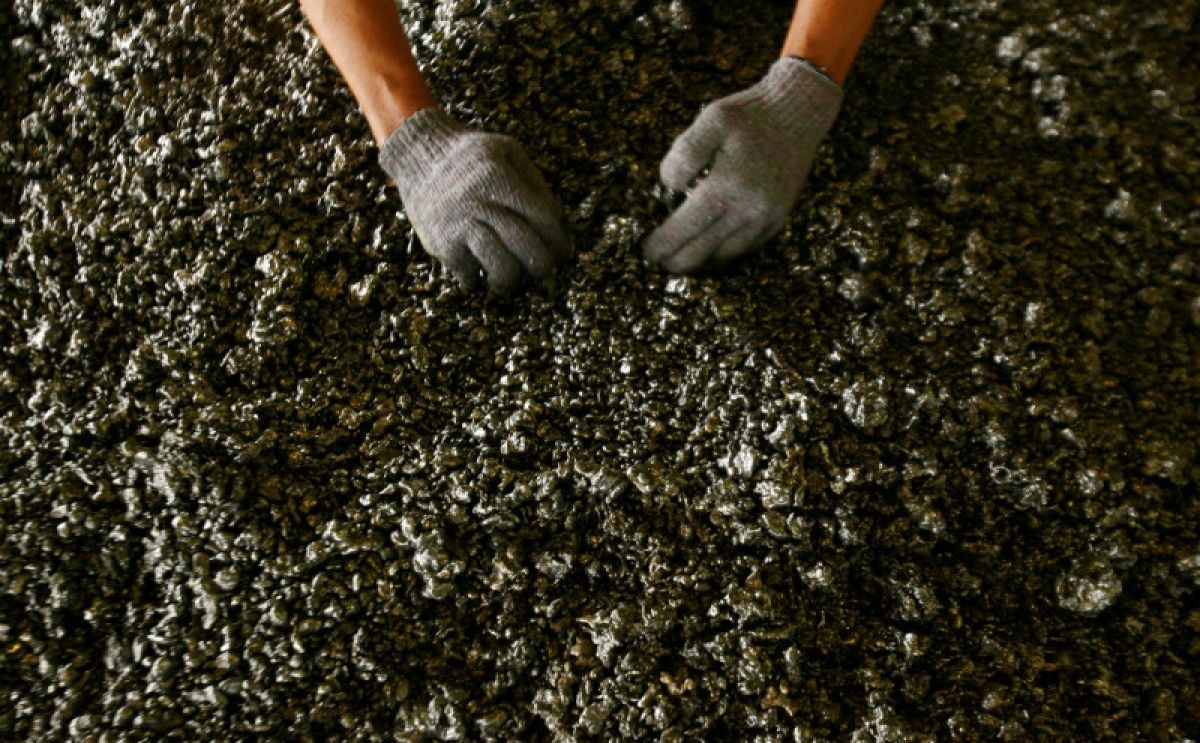
The nickel industry is complaining about the government’s policy of slashing the nickel ore production quota in the 2026 Work Plan and Budget (RKAB) to 250-270 million tonnes. Chairman of the Indonesian Nickel Industry Forum (FINI) Arif Perdana Kusumah assessed that the restriction could potentially trigger raw material shortages for smelters, depress production levels, and increase the risk of layoffs in the nickel mining and processing sector.
The government, through the Ministry of Energy and Mineral Resources, previously set the national nickel ore production quota in the 2026 RKAB at 250-270 million tonnes. This figure is a significant drop from the 2025 quota of 379 million tonnes.
Based on FINI’s calculations, national nickel industry demand in 2026 is estimated to reach 340-350 million tonnes. This demand comes from smelters and refineries already in operation, plus several HPAL projects set to begin operations next year. Consequently, there is a potential supply gap of up to 100 million tonnes between industrial demand and the government-set production quota.
Arif explained that if industrial demand reaches about 340-350 million tonnes while the RKAB quota is only 250-270 million tonnes, there is a potential shortfall of around 90-100 million tonnes. He noted that this gap could widen given that actual national nickel ore production has never fully reached the government-granted RKAB quota, averaging only about 85 per cent of the approved amount.
On the other hand, the industry still relies on imported nickel ore from the Philippines. Imports reached about 10 million tonnes in 2024 and rose to roughly 15 million tonnes in 2025. FINI estimates imports could increase to 25 million tonnes this year. Despite this, imports are deemed insufficient to cover the entire domestic supply shortfall. FINI estimates a deficit of around 6-10 million tonnes of nickel ore still lacks a supply source.
Arif stated that the impact of limited supply is beginning to be felt by industry players. Earlier in the year, companies could utilise relaxation measures for old RKABs to boost production and stockpile. However, these stocks are not expected to last long. This condition is already reflected in the high premium price of nickel ore in the market. Although the government raised the Mineral Benchmark Price, the premiums paid by the industry remain high due to tight supply.
He explained that the premium price reflects actual market conditions. When supply is limited while demand remains high, the premium price will continue to rise. Arif estimates the increase in raw material costs will place significant pressure on the nickel processing industry. For smelters using Rotary Kiln Electric Furnace technology, additional production costs due to the increase are estimated at around US$600 per tonne of nickel. Meanwhile, the HPAL industry faces greater pressure, with the mineral benchmark price increase reaching 140-150 per cent. FINI calculates additional production costs per tonne of nickel at HPAL facilities could reach around US$2,600 to US$2,800.
The impact of supply constraints is expected to be felt more acutely towards the end of June 2026 as nickel ore stocks at various processing facilities dwindle. Several companies are already feeling the effects. One is Weda Bay Nickel, whose production quota dropped drastically from 42 million tonnes in 2025 to just 12 million tonnes this year, resulting in a workforce reduction of approximately 65 per cent from around 20,000 workers.
Arif hopes the government will reconsider the industry’s condition. He sees potential through the RKAB revision mechanism which can be submitted mid-year. However, this process also faces challenges as the rainy season in eastern Indonesia from August to September could hamper increased mine production. Under current conditions, FINI estimates the utilisation rate of national nickel processing and refining facilities could drop by 25-30 per cent, potentially reducing national nickel output from a capacity of 2.7 million tonnes per year to just 2-2.2 million tonnes.