
NGS Technology: A Precision Diagnostic Revolution for Cancer in Indonesia
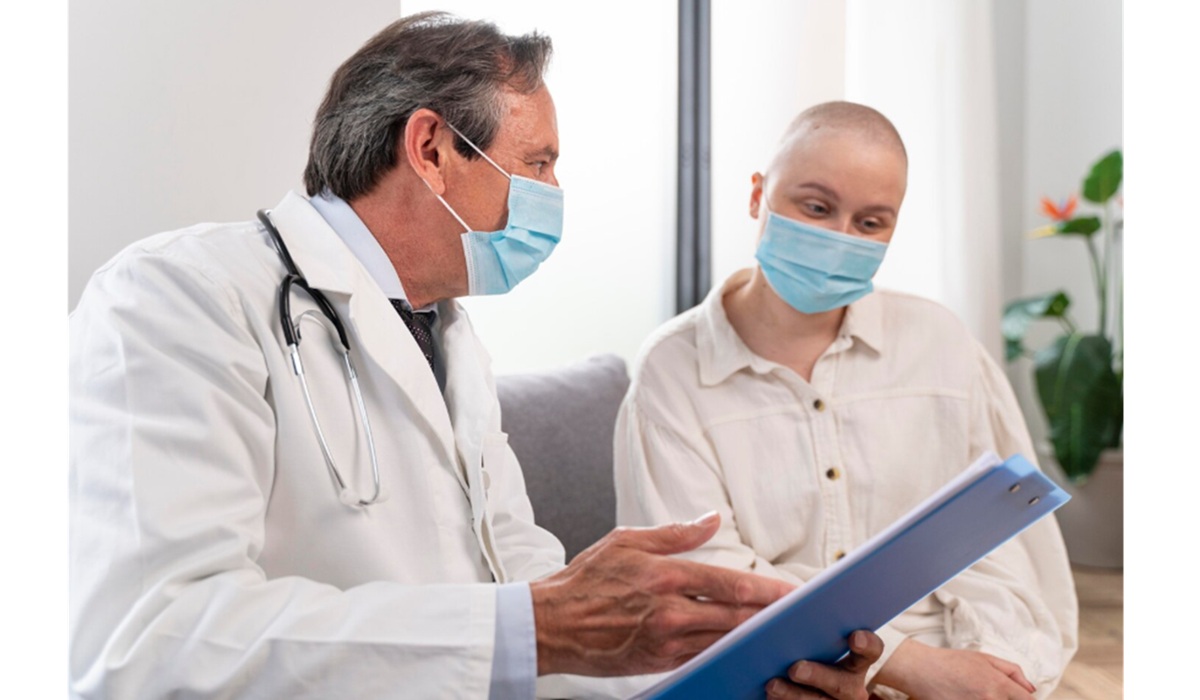
Indonesia still faces significant challenges in tackling cancer. According to the latest data, more than 408,000 new cancer cases are recorded annually, with breast and lung cancers being the most prevalent types. Faced with this high health burden, medical experts stress that the key to successful treatment lies in a deep understanding of each patient’s biological characteristics.
The urgent need for more specific treatment is driving the strengthening of precision diagnostic services in the country. A concrete step has been taken through a strategic collaboration between AstraZeneca Indonesia and Dharmais Cancer Hospital. This partnership focuses on implementing Next-Generation Sequencing (NGS) technology to treat breast cancer, lung cancer, and Chronic Lymphocytic Leukaemia (CLL).
NGS is a technological breakthrough that allows for comprehensive examination of various genomic biomarkers in a single process. Unlike a single biomarker approach, NGS can analyse multiple genes simultaneously to produce far more complete molecular information.
dr. Eka Widya Khorinal, Sp.PD-KHOM, an internal medicine specialist and consultant in medical haematology-oncology, explained that detailed molecular information is crucial to speeding up diagnosis. "With more complete information, doctors can deeply understand the characteristics of a patient’s disease, so treatment strategies can be more personal, targeted, and evidence-based," he said.
A major challenge in lung cancer is the number of patients only diagnosed when they have reached an advanced stage. dr. Arif Riswahyudi Hanafi, Sp.P(K) Onk, mentioned that in such conditions, timing and biomarker accuracy become vital. NGS helps doctors determine the most appropriate course of treatment for the patient’s unique biological condition.
A similar view was expressed by dr. Abdul Muhaimin Husein, Sp.B(K) Onk. According to him, breast cancer is not a uniform disease. Patients with the same diagnosis can have different therapy responses. Through NGS, gene changes can be identified simultaneously so that clinical decisions are better informed.
The sophistication of NGS tools must be supported by a qualified laboratory process. dr. Grace Shalmont, Sp.PA, emphasised the vital role of anatomical pathology in ensuring the quality and adequacy of tissue samples before molecular examination. Meanwhile, dr. Christine Sugiarto, Sp.PK(K), added that standardised workflow—from genetic material extraction to bioinformatics analysis—is key to ensuring the results given to clinicians are reliable.
President Director of AstraZeneca Indonesia, Esra Erkomay, affirmed the company’s commitment to eliminating cancer as a leading cause of death by strengthening the diagnostic ecosystem. "We want to ensure patients receive the right therapy according to the characteristics of their disease," he said.
President Director of Dharmais Cancer Hospital, dr. Eniarti, Sp.KJ, welcomed this collaboration as an effort to increase national capacity in cancer management. This cooperation not only covers the provision of technology but also strengthens clinical capabilities, optimises testing workflows, and speeds up and standardises result reporting.
With the integration of biomarker-based diagnostic services, Indonesia is expected to soon realise a more integrated precision oncology ecosystem, giving new hope for patients to gain access to more advanced and personal treatment.
This technology allows doctors to adjust radiation doses and targets in real-time following changes in the patient’s body.