
Ngapiyo the Rickshaw Driver: Few Fares Amid Malioboro's Bustle
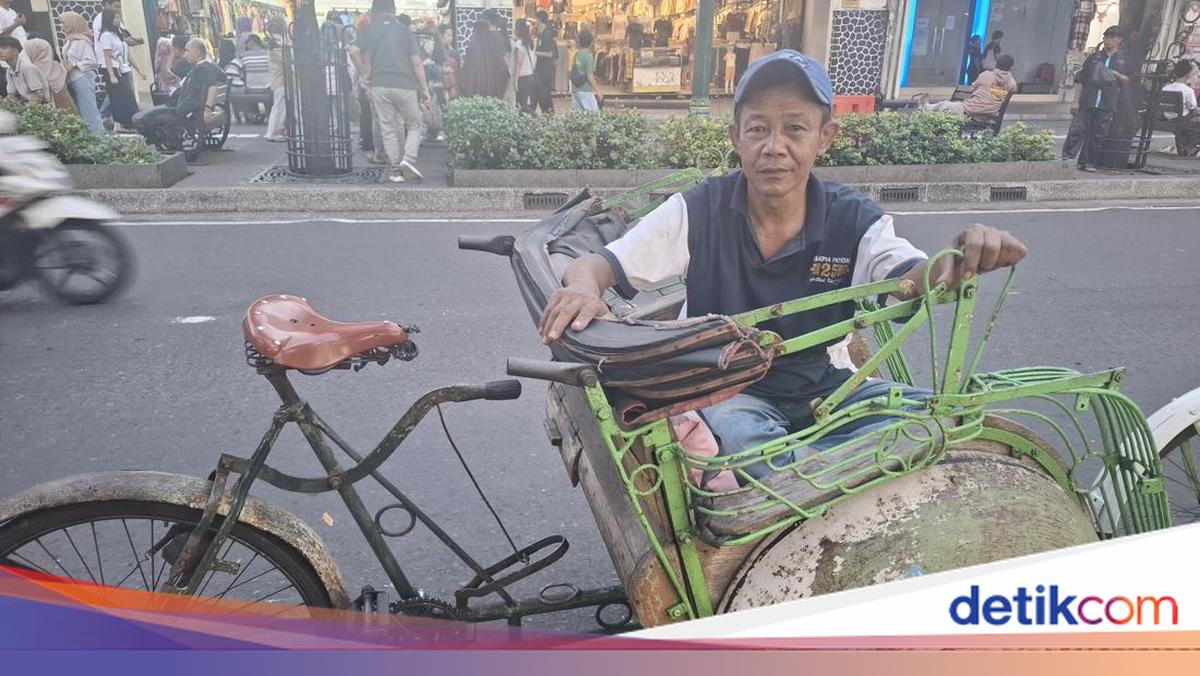
Cycle rickshaws still line up in the Malioboro area of Yogyakarta. Yet, behind the bustling tourists coming and going, the rickshaw drivers no longer experience the golden days of decades past.
One such driver is Ngapiyo (56), a resident of Pundong, Bantul, who has been pedalling rickshaws in Malioboro since 1988. For nearly four decades, he has relied on pulling rickshaws in the renowned tourist area of Yogyakarta City.
Ngapiyo recalls when rickshaws were a favourite transport for tourists and locals alike. Back then, he says, rickshaw drivers earned significantly more than they do now.
“I’ve been driving a rickshaw since 1988, over 30 years. Always in Malioboro. Back then, money was easier to come by, but now everything is more expensive, making it hard to make ends meet,” Ngapiyo told detikJogja on Thursday, 28 May 2026, in Malioboro.
He explains that during the 1980s and 1990s, fares were relatively low but passenger numbers were much higher.
“The fare used to be 100 or 200 rupiah from KFC Malioboro to Beringharjo Market. Back then, I could get 10 trips a day – that was a good income, miss. There were so many more passengers then,” he said.
Now, the situation has drastically changed. Ngapiyo says he sometimes only gets two or three passengers a day, and often returns home with no earnings.
“Currently, fares are around Rp20,000 to Rp30,000, mostly from Malioboro to Tugu Station. But I only manage two or three trips a day. Sometimes I don’t get any passengers at all – it happens often,” he said.
Despite the worsening conditions, Ngapiyo says he continues as a rickshaw driver because he has few other employment options.
“What else can I do? I have to keep driving the rickshaw,” he said softly.
Before returning to rickshaw driving full-time, Ngapiyo tried his hand at a log business about two years ago. However, the venture resulted in a significant loss of tens of millions of rupiah.
“I tried a business two years ago, but went bankrupt, losing Rp70 million. It was a log business. The longer it went on, the worse it got. In Godean, where my business was, I usually collected payments three times a month. So I had to stop because finding customers was difficult,” he explained.
While running the log business, Ngapiyo stopped driving rickshaws. But after the business failed, he returned to Malioboro to pedal rickshaws to support his family. His bentor was sold to pay for his child’s school fees. Then bought this pedal rickshaw,” he said.
Now, Ngapiyo regularly stays in Malioboro from afternoon until night. He typically starts driving at 5pm until around 11pm, hoping for passengers.
“I usually drive from 5pm to 11pm. Even during Car Free Night when vehicles are banned, it’s the same – few customers, no difference,” he concluded.