
Nezar highlights 'data poisoning' risks in AI adoption within journalism
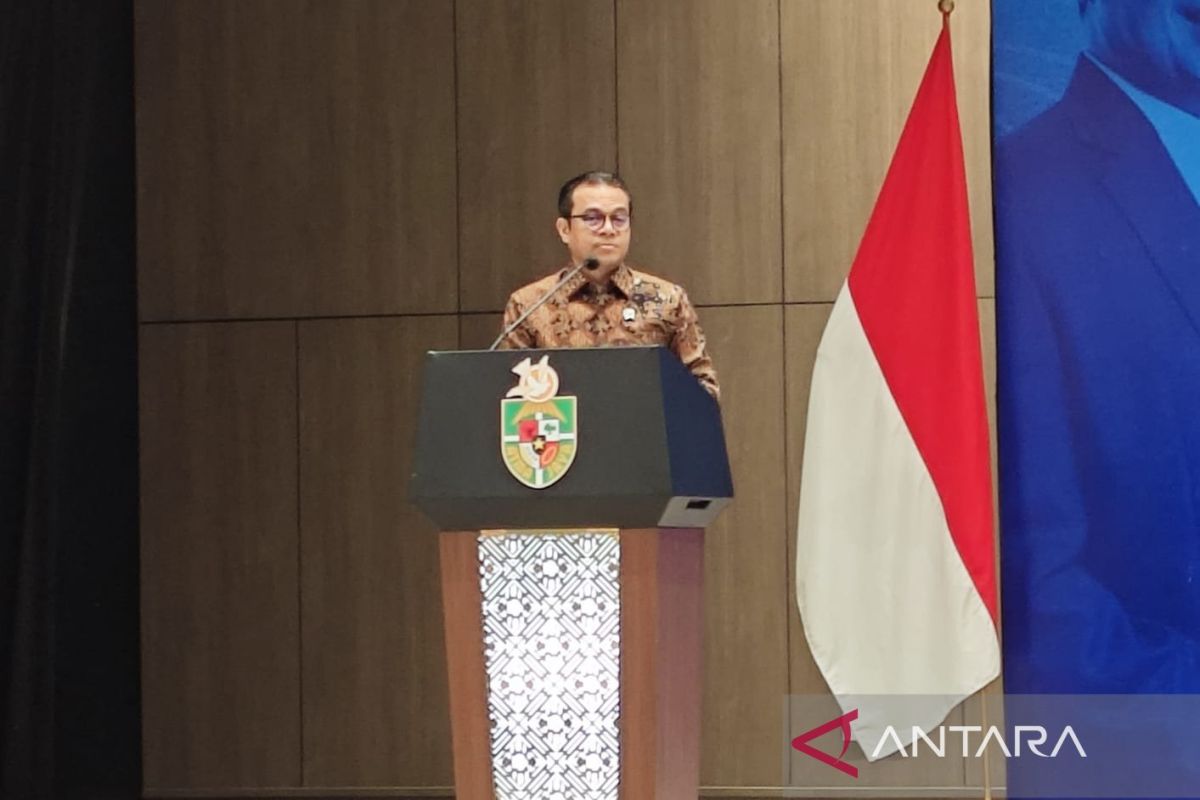
Jakarta (ANTARA) - The Deputy Minister of Communication and Digital, Nezar Patria, has highlighted the risk of ‘data poisoning’ resulting from the use of artificial intelligence (AI) in news production, which could lead to widespread misinformation.
Nezar explained that some journalists currently rely on AI to produce news without conducting direct field reporting. In the process of generating news, AI is heavily dependent on data from various sources.
“Because AI cannot function without data, and that data can also be incorrect. There is a phenomenon known as ‘data poisoning’ in the implementation of artificial intelligence,” Nezar stated during a discussion at Atma Jaya Catholic University, Jakarta, on Thursday.
“Data poisoning means that existing data is corrupted; the text and its validity are disrupted, causing the machine to perceive it as correct. It then processes this information, resulting in false output,” he added.
Nezar assessed that the adoption of AI technology presents a significant challenge for the media industry. The presence of AI means that the news production process no longer necessarily requires direct observation and verification by journalists.
He noted that previously, journalists had to go into the field, observe events, and conduct interviews to collect and verify information before processing it into a news story. However, AI can now aggregate information from various sources and synthesise it into a news report.
The Ministry of Communication and Digital has issued a circular regarding the ethics of AI usage, directing journalists to use AI in accordance with the guidelines formulated by the Press Council.
“The goal is to ensure that the information received by the public is guaranteed to be true, so they do not fall victim to misinformation, disinformation, or hoaxes,” Nezar concluded.