
NEXT: Data-based mechanism needed to prevent losses from under-invoicing
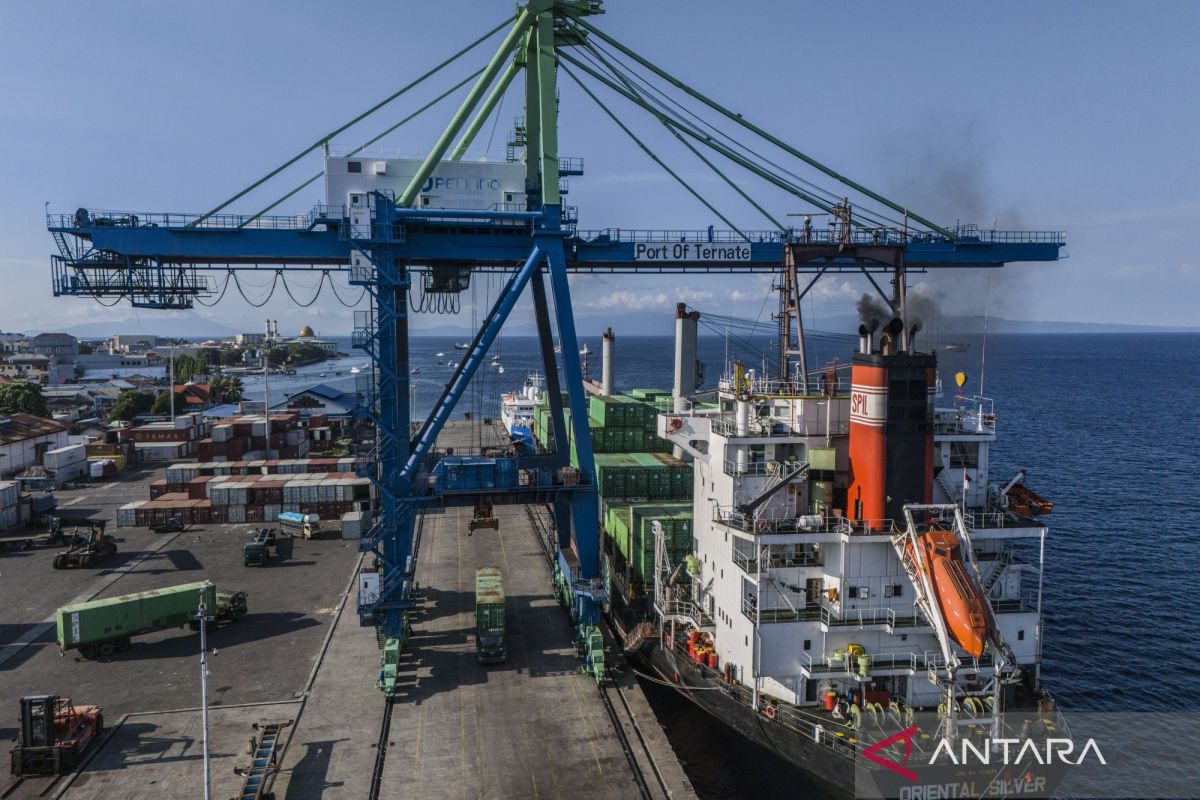
Jakarta (ANTARA) - Head of Research at NEXT Indonesia Center, Ade Holis, believes the government needs to build an integrated, data-based investigation mechanism to prevent potential under-invoicing and transfer pricing in export trade.
“There are several steps that can be taken. First, build a bilateral trade database. Indonesia’s export data must be matched with partner countries’ import data by company, commodity, volume, value, date and HS code,” Ade said in a statement in Jakarta on Thursday.
The second step is risk-based inspection. Ade said not all companies should be examined with the same intensity.
“Prioritise companies or transactions with large, recurring trade gaps that cannot be explained commercially,” he said.
Furthermore, he said, transaction matching should be carried out. Examinations must go down to the level of individual invoices and transactions, not just aggregate data, and should integrate customs, tax, banking and trade data.
“The invoice value needs to be compared with the payment value actually received by the exporter,” Ade said.
His fifth recommendation is price benchmarking. According to him, commodity prices such as crude palm oil (CPO) should be compared with international market prices and with transactions of similar characteristics, taking into account quality, location, timing, volume and Incoterms.
“Sixth, examine companies with related-party relationships. If Indonesian exporters sell to affiliated companies abroad, arm’s length testing needs to be conducted,” Ade said.
He also recommended that the government strengthen cooperation with partner countries so that customs and tax information can be exchanged with destination countries.
Next, he proposed establishing an early warning system. Discrepancies between export and import data can be used as an early warning system to identify high-risk transactions before they develop into state revenue problems.
Ade added that statistical analysis should be kept separate from legal conclusions. Trade gap analysis can produce suspicions or red flags.
“A conclusion that a violation has occurred must be based on examination of documents, transactions and the relevant legal provisions,” Ade said.
Finally, he said, state losses should only be calculated once the transaction value that should have been determined has been established.
“Do not treat the entire trade gap as state loss. What must be calculated is the transaction value that should have been reported, the amount of tax, customs duty or other revenue owed, and the revenue that was actually lost,” Ade said.