
Newcrest Worker Rights Dispute Sets Bad Precedent for Foreign Divestment Governance in Indonesia
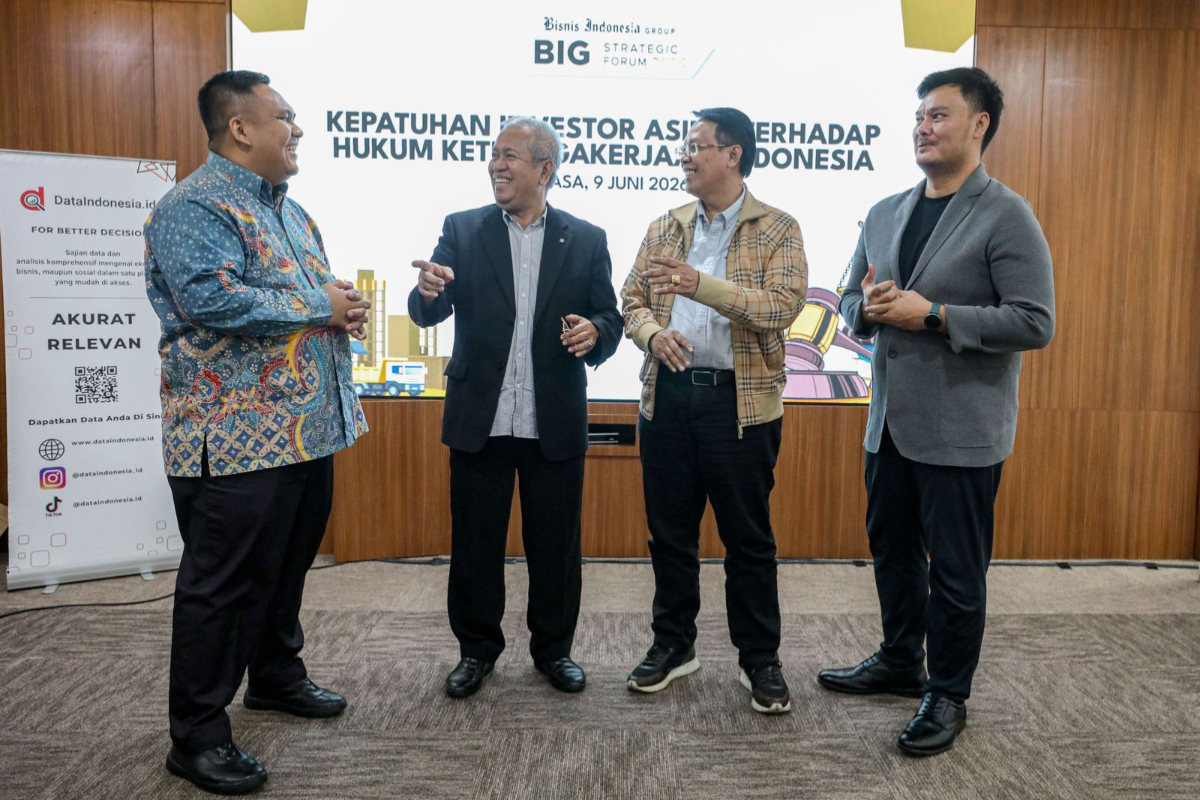
Anticipatory solutions to investment practices that pursue short-term profits without settling obligations to workers are considered an urgent task for stakeholders in the country. One solution that needs to be realised is the strengthening of legal instruments. This was conveyed by the Indonesian Association of Labour Law Lecturers and Practitioners (P3HKI) on the sidelines of the BIG Strategic Forum 2026 at Wisma Bisnis Indonesia on Tuesday (9/6/2026). P3HKI Vice Chairman Ahmad Ansyori explained that his organisation recommends, among other things, the implementation of a certificate of labour compliance as a mandatory requirement in corporate actions such as mergers and acquisitions. Under such a scheme, companies that have not fulfilled their labour obligations cannot proceed with corporate transactions. Additionally, Ahmad proposed utilising the application of standards mechanism within the International Labour Conference (ILC), the ILO’s tripartite forum that brings together governments, employers and trade unions from around the world. “Once it enters the application of standards, it becomes an international issue and is monitored by the ILO. I think this is an alternative settlement model,” Ahmad said. The recommendations emerged in the context of the dispute over the payment of entitlements and severance to 735 former workers of Newcrest Mining Limited, now Newmont, worth approximately US$35 million or equivalent to Rp600 billion. This case has its roots in the divestment process of PT Nusa Halmahera Minerals (NHM) in 2020, when the Australian mining company, Newcrest Mining Limited, sold 75 percent of its shares to Indotan Group. Newcrest was subsequently acquired by Newmont Corporation in 2023 through a transaction worth US$16.8 billion, but the obligation to pay off workers’ rights was reportedly not resolved before the divestment process was completed. Director of Industrial Relations Dispute Settlement (PPHI) Arnando J.P. Siregar emphasised that within the existing legal framework, the avenue for executing court rulings remains open, including the seizure of domestic assets if ownership in Indonesia is found. “If assets are found in Indonesia, the court can execute a seizure, auction the assets, and use the auction proceeds to fulfil workers’ rights,” he said. He also opened the criminal option, stating that if there are indications of embezzlement of workers’ rights or bad faith on the part of company management, a report can be submitted to investigators at the North Maluku Regional Police. However, forum participants assessed that domestic litigation alone is insufficient when the responsible entity operates in a foreign jurisdiction. It is here that the need for a cross-border mechanism becomes urgent. Moreover, although it does not produce direct execution, Arnando emphasised that reputational pressure on multinational corporations through global trade union networks can be an effective tool. This mechanism is relevant considering that Newmont Corporation, as the entity now at the top of the ownership structure following the acquisition of Newcrest, is listed on the New York Stock Exchange and subject to increasingly stringent international ESG reporting standards. Public Policy Expert Trubus Ardiansyah assessed that resolving this case also requires political breakthroughs at the national level, not just legal processes. “Just try pushing it there, sending an official letter to the President. Moreover, Said Iqbal has been appointed as the President’s Special Adviser for Labour and Workers’ Welfare. Perhaps he can bridge it to the President,” said Trubus. This statement reflects the reality that resolving large-scale labour disputes in Indonesia often requires political intervention alongside formal adjudication processes. This is a condition which in itself demonstrates the need for institutional strengthening in this sector. At the BIG Strategic Forum, it was concluded that the handling of the NHM case will be an important precedent, namely how Indonesia ensures the social obligations of foreign companies are still met even though the ownership structure changes through international transactions.