
New Suspect's Role in Free Nutritious Meal Programme: Trading SPPG Locations, Kickbacks to Dadan
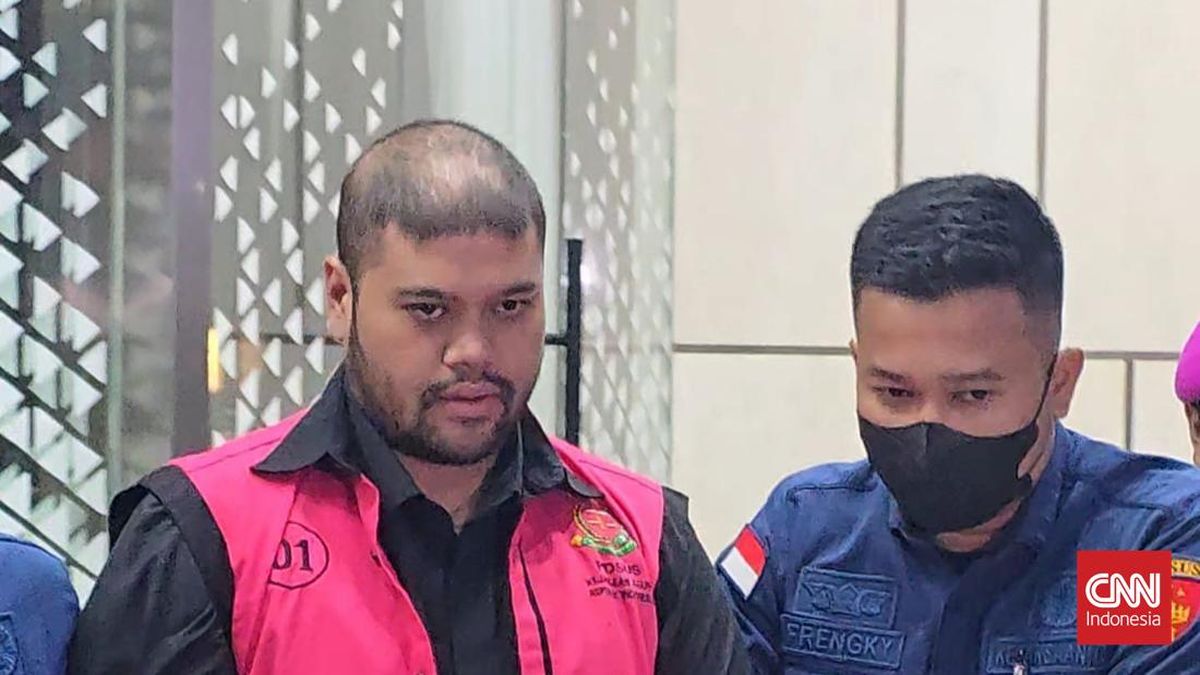
The Attorney General’s Office (Kejagung) has stated that the former Head of BGN, Dadan Hindayana (DH), received several cash deposits resulting from the trading of Nutrition Service Unit (SPPG) points.
The Director of Investigation for the Junior Attorney General for Special Crimes, Syarief Sulaeman Nahdi, stated that the money was received by Dadan from the Chairman of the Indonesia Food Security Review Foundation, Glory Harimas Sihombing (GHS).
He explained that this began when Dadan tasked Glory with finding foundation partners for the SPPG units within the MBG programme. “DH unlawfully provided access to GHS to obtain SPPG kitchen points for the foundation owned by Mr GHS,” he said during a press conference on Thursday (1/6).
Syarief noted that Glory subsequently sold the obtained kitchen points to other parties interested in establishing SPPGs at those locations. He further stated that Glory was also granted access by Dadan to communicate with the BGN verification team, allowing Glory to determine the status of foundations affiliated with him.
“After arranging these SPPG points, GHS unlawfully provided a number of funds, in both foreign and local currency, to DH,” he explained. Syarief added that the cash originated from MBG programme partners who sought assistance from Dadan and Glory to ensure their SPPG establishments were approved.
Previously, the Attorney General’s Office identified a total of five suspects in the corruption case involving the governance of the Free Nutritious Meal (MBG) programme for the 2025-2026 period. The five suspects are the former Head of BGN Dadan Hindayana; former Deputy Heads of BGN Sony Sonjaya and Lodewyk Pusung; Sony’s associate Asep Yusuf Somantri (AYS); and the Commissioner of PT Yasa Artha Trimanunggal (YAT), Andri Mulyono.
In this case, the Attorney General’s Office explained that the MBG programme should have been managed by SPPG foundations affiliated with recipient schools. However, in practice, many SPPGs were appointed due to their affiliations with BGN officials. Furthermore, many foundations did not actually meet the requirements to become SPPG partners.
Additionally, there were price mark-ups in the procurement of goods, leading to losses that undermined the operational execution of the MBG programme. These items included 21,801 electric motorcycles valued at Rp1.03 trillion, 32,000 pairs of shoes, 31,994 tablets, and 5,400 75-inch televisions.