
New Regulations: Electric Vehicles Potentially Subject to Tax
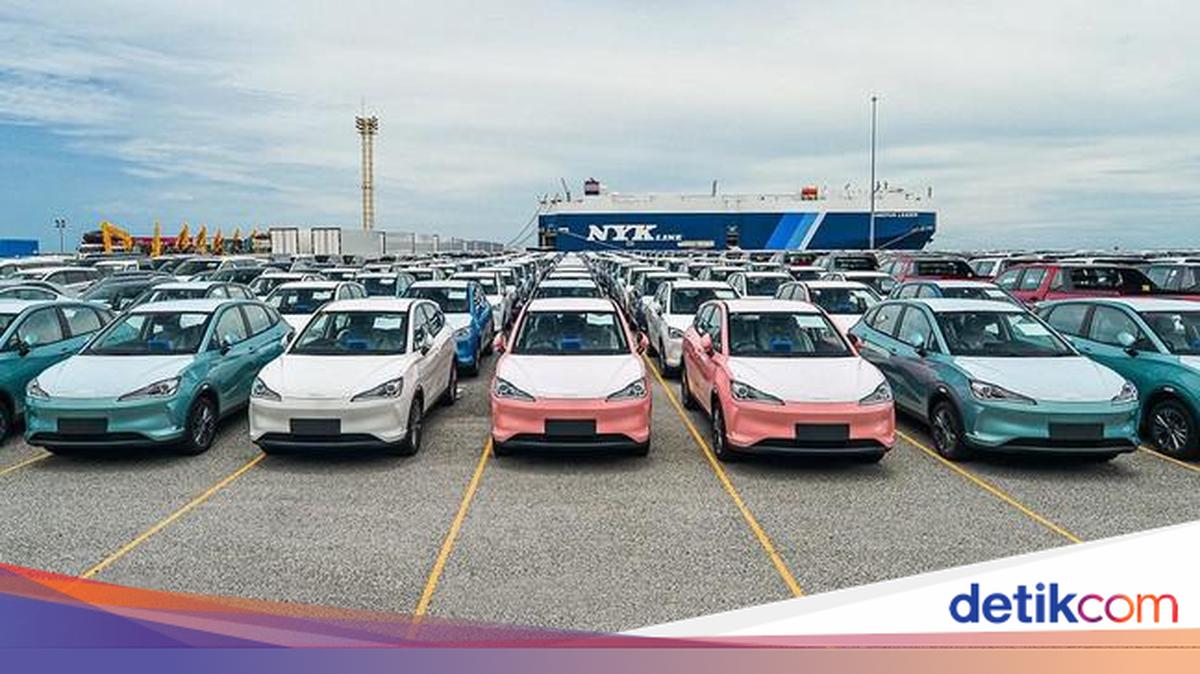
Electric vehicles are no longer fully tax-exempt. This follows new regulations issued by the government concerning the imposition of motor vehicle tax (PKB) and motor vehicle ownership transfer duty (BBNKB).
Previously, electric vehicles were excluded from motor vehicle tax, but in the latest regulations, electric vehicles are not mentioned in the PKB and BBNKB exemptions.
The new regulations are outlined in Minister of Home Affairs Regulation Number 11 of 2026 on the Basis for Imposing Motor Vehicle Tax, BBNKB, and Heavy Equipment Tax. One key point in the regulation is the change in the provisions for tax objects that are excluded. In the previous regulations, electric vehicles were excluded from PKB and BBNKB objects. However, in the latest regulations, electric vehicles are not specified as objects excluded from PKB and BBNKB.
It is stated in Article 3 paragraph (3) that objects excluded from PKB include:
Trains;
Motor vehicles used solely for national defence and security purposes;
Motor vehicles of embassies, consulates, foreign state representatives on a reciprocal basis, and international institutions that 4. receive tax exemption facilities from the government;
Renewable energy motor vehicles; and
Other motor vehicles designated by regional regulations on regional taxes and levies.
In comparison, under Minister of Home Affairs Regulation No. 7 of 2025 on the Basis for Imposing Motor Vehicle Tax, BBNKB, and Heavy Equipment Tax for 2025, it is clearly stated that motor vehicles based on renewable energy, including electric, biogas, and solar-powered vehicles, as well as motor vehicles converted from fossil fuels to renewable energy-based vehicles, are excluded from PKB and BBNKB objects.
“If previously electric-based vehicles were not included in PKB and BBNKB objects, this provision has now been updated. Therefore, Battery-Based Electric Motor Vehicles (KBLBB) are no longer automatically excluded from regional taxes. This change means that every transfer, ownership, and/or control of Battery-Based Electric Motor Vehicles is now subject to PKB and BBNKB,” as quoted from the official website of the DKI Jakarta Provincial Revenue Agency.
Nevertheless, as stated in Article 19 paragraphs (1), (2), and (3) of Minister of Home Affairs Regulation Number 11 of 2026, the imposition of PKB and BBNKB on battery-based electric vehicles is granted incentives for exemption or reduction of PKB and BBNKB in accordance with applicable laws and regulations. Furthermore, the imposition of PKB and BBNKB on electric vehicles manufactured before 2026 is granted incentives for exemption or reduction of PKB and/or BBNKB. This includes vehicles converted from fossil fuels to electric vehicles.
The editorial phrase “granted incentives for exemption or reduction of PKB and BBNKB” in the latest regulations indicates that electric vehicles are not automatically tax-free. This means that local governments may only apply tax reductions, not purely exemptions.
Source: jawawa.id (https://jawawa.id/newsitem/new-regulations-electric-vehicles-potentially-subject-to-tax-1776423092)
Originally published by detikBali (https://www.detik.com/bali/bisnis/d-8448946/aturan-baru-kendaraan-listrik-berpotensi-kena-pajak), translated from Indonesian