
New PTPN I CEO Prepares Five Pillars of Corporate Transformation
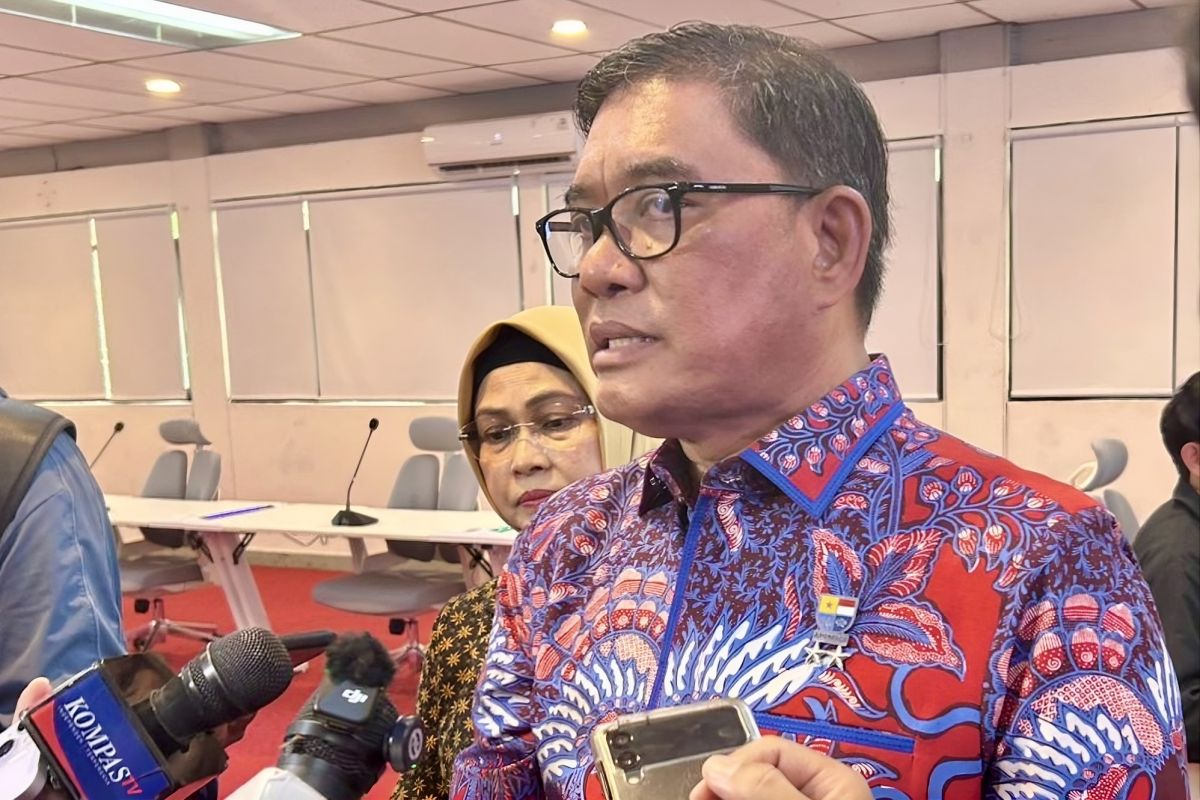
The newly appointed President Director of PT Perkebunan Nusantara (PTPN) I, Abdul Rivai Ras, has prepared five pillars of transformation to strengthen corporate governance and enhance the company’s competitiveness as a modern agribusiness corporation. Rivai explained in Jakarta on Saturday that the transformation will focus on five main pillars: strengthening corporate governance, risk management, digital transformation, asset optimisation, and strengthening institutional relations. He stated that the mandate entrusted to him is not merely to lead a plantation company, but to oversee PTPN I’s transformation into a more professional entity capable of creating added value for the state. “I see this mandate not just as leading a plantation company. This mandate is to lead the organisational transformation process so that PTPN I becomes a company that is more modern, professional, adaptive, and capable of creating greater added value for the state,” Rivai said in a statement. Rivai noted that the challenges facing the plantation industry today are no longer solely about increasing production, but also about the company’s ability to adapt to global changes, ranging from international competition and climate change to digitalisation. “The issue we face is not just how to manage plantations or increase crop yields, but how to build a state corporation that can adapt to global changes,” he said. Rivai stressed that corporate governance is the main foundation for PTPN I’s sustainable growth. He stated that all business processes must be conducted transparently, accountably, with discipline, and based on risk management, given that the company manages state assets on a large scale. Furthermore, the establishment of a Finance and Risk Management Directorate within the new board structure is said to reflect the company’s new approach to facing various business risks, including commodity price fluctuations, climate change, international regulatory developments, and the implementation of ESG principles. “The company cannot only think about profit. The company must also be able to manage risks systematically so that business sustainability is maintained,” he said. In the field of digitalisation, Abdul Rivai emphasised that transformation is not only about the use of technology, but also about changing the work culture and decision-making methods throughout the organisation. According to Rivai, digitalisation is expected to improve operational efficiency, accelerate decision-making, and strengthen corporate transparency. He also stressed that the optimisation of state assets is a strategic agenda, so that all assets managed by the company can generate greater economic value for the company, the state, and the community. On the other hand, he stated that the success of the transformation depends heavily on collaboration with various stakeholders, ranging from the government, regulators, the House of Representatives, law enforcement officials, academics, business players, to communities around the company’s operational areas. “Transformation can never be done by one person. Transformation is a collective effort. Let us make this momentum an opportunity to build a company that is more professional, more modern, more competitive, and more inspiring,” he concluded.