
New Nusa Penida Levy Scheme Leaves Businesses Shaking Their Heads
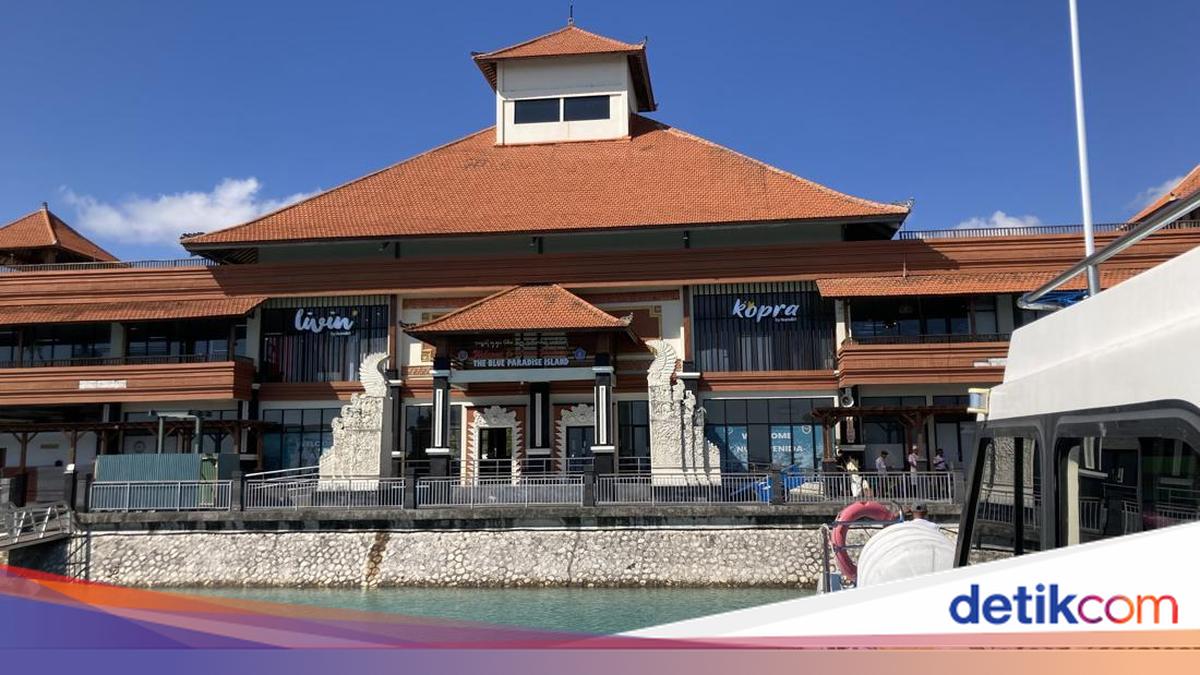
The implementation of a new tourism levy scheme in Nusa Penida, Klungkung, Bali, starting August 2026 has immediately drawn protests from business operators. The policy, which applies a One Gate One Destination (OGOD) concept, is said to be triggering tourist booking cancellations as holiday costs become more expensive.
The scheme is regulated under Klungkung Regional Regulation Number 4 of 2026 concerning Regional Taxes and Levies. Under this system, tourists are charged a levy upon entering Nusa Penida and must pay another levy when visiting major tourist destinations such as Kelingking Beach, Angel’s Billabong, Broken Beach, Crystal Bay, Teletubbies Hill, and the Molenteng Area.
Head of the Klungkung Tourism Office, I Gusti Agung Gede Putra Mahajaya, stated there are two types of charges in the scheme: a tourism area levy and a levy at each tourist attraction (DTW).
“The area levy is only imposed on foreign tourists. Meanwhile, at the DTW, the levy is imposed on both foreign and domestic tourists. We are currently in the socialisation phase,” Mahajaya told detikBali on Wednesday (5/8/2026).
Based on Regional Regulation Number 4 of 2026, the levy rate is set at Rp 25,000 for adults and Rp 15,000 for children. All payments are made cashless via e-ticketing.
This means foreign tourists arriving in Nusa Penida must pay an area levy of Rp 25,000. When visiting destinations included in the OGOD scheme, they must again pay a DTW levy of Rp 25,000 at each location. Consequently, the levy cost for one destination reaches Rp 50,000.
Meanwhile, domestic tourists and Bali ID card holders are exempt from the area levy at the port. However, they are still required to pay an entrance ticket when visiting the tourist attractions.
According to Mahajaya, the scheme is implemented to increase Regional Original Revenue (PAD) while improving the tourism ecosystem in Nusa Penida.
The area levy is collected by agency officers at the port, while ticket management at each DTW is managed in cooperation with traditional villages.
“So far we have cooperated with the traditional villages at each destination,” Mahajaya explained.
He added that the policy is also expected to reduce the trend of one-day trips, encouraging tourists to spend more time in Nusa Penida.
Chairman of the Indonesian Hotel and Restaurant Association (PHRI) Klungkung, I Putu Darmaya, rejected the OGOD implementation. He argued the policy was implemented too quickly without adequate socialisation to business operators.
“There should be at least one year for socialisation. Because, like me, contracts with travel agents are for one year. The price does not include levies at every destination,” Darmaya explained.
“Force majeure clauses in contracts do exist, but they must be certain, like a fuel price increase. But this is very difficult to raise, and ultimately it can lead to cancellations. But if we want to cancel, we are already bound by the contract,” he added.
Darmaya admitted he has received reports of trip cancellations to Nusa Penida since the new scheme was implemented.
“That’s right. There have been many complaints and incidents of cancellations due to the new rule on collecting a levy of Rp 25,000 per person for each destination. The problem is, the government must realise that the infrastructure, especially the roads, is not yet adequate. So there is almost no reason for us to ask for additional costs after previously agreeing on a price included in the tour package,” Darmaya explained.
He said PHRI has helped the government socialise the policy, but rejection continues to emerge from business operators.
“I just gathered 16 drivers, and all of them complained and intended to cancel trips to these destinations. This is a threat to us. That is why we, together with tourism operators, intend to hold a hearing so the government can understand the issues on the ground,” he explained.
Besides assessing that the socialisation was not optimal, PHRI also questioned the condition of infrastructure and destination management, which they deemed inadequate.
Darmaya requested the government improve road access and the entry system to Nusa Penida before imposing additional levies. He also asked the government to be transparent regarding the use of the levy funds.
“The bottom line is, let the infrastructure speak. Fix the roads, so that when the roads are good, we have a reason to tell guests why the price has to go up like this. But if the conditions remain like this, we are embarrassed and have no reason to explain to guests,” he concluded.
Source: jawawa.id (https://jawawa.id/newsitem/new-nusa-penida-levy-scheme-leaves-businesses-shaking-their-heads-1785930662)
Originally published by detikBali (https://www.detik.com/bali/bisnis/d-8605876/skema-baru-retribusi-nusa-penida-bikin-pelaku-usaha-geleng-kepala), translated from Indonesian