
New Mobile Banking Theft Modus Grows More Alarming, Accounts Drained Instantly
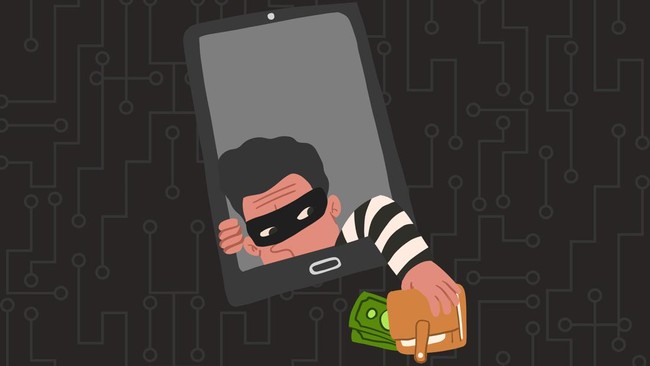
Cybercrime targeting mobile banking applications continues to threaten customers. If caught off guard, perpetrators can break into accounts and drain all savings.
On the other hand, the development of digital banking services has made transactions increasingly easy. Banks now not only provide transfer and payment features through mobile banking, but are also developing applications into super apps that offer various services, from investment to a range of payment needs.
A number of fraud modus operandi in mobile banking applications include theft of personal data and phishing. To anticipate this, the Financial Services Authority (OJK) has shared a number of preventive steps that customers can take.
Here are tips to avoid digital banking crime:
Do not disclose access codes or Personal Identification Number (PIN) numbers to others.
Do not record and store access codes or personal SMS banking numbers in places easily known to others.
Check transaction details carefully before confirming.
Wait a few moments until receiving a response to the transaction being carried out.
Check incoming transaction notifications (SMS or email) carefully and immediately contact the bank’s call centre if suspicious transactions are found.
Immediately change the PIN if the access code is believed to have become known to others.
Immediately report to the nearest branch or bank call centre if the SIM card is lost, stolen, or transferred to another party.
Be wary of risky applications on the internet containing spam or malware that could potentially steal personal data.
Avoid internet banking transactions using public networks such as free Wi-Fi or public computers (internet cafes) because of the risk of data hacking.
Ensure always logging out after completing transactions.
Ensure all personal data has been erased (factory reset) when changing mobile phones to avoid misuse by the next device owner.