
New Ministerial Regulation Sets Rules for 2026 School Orientation Programme
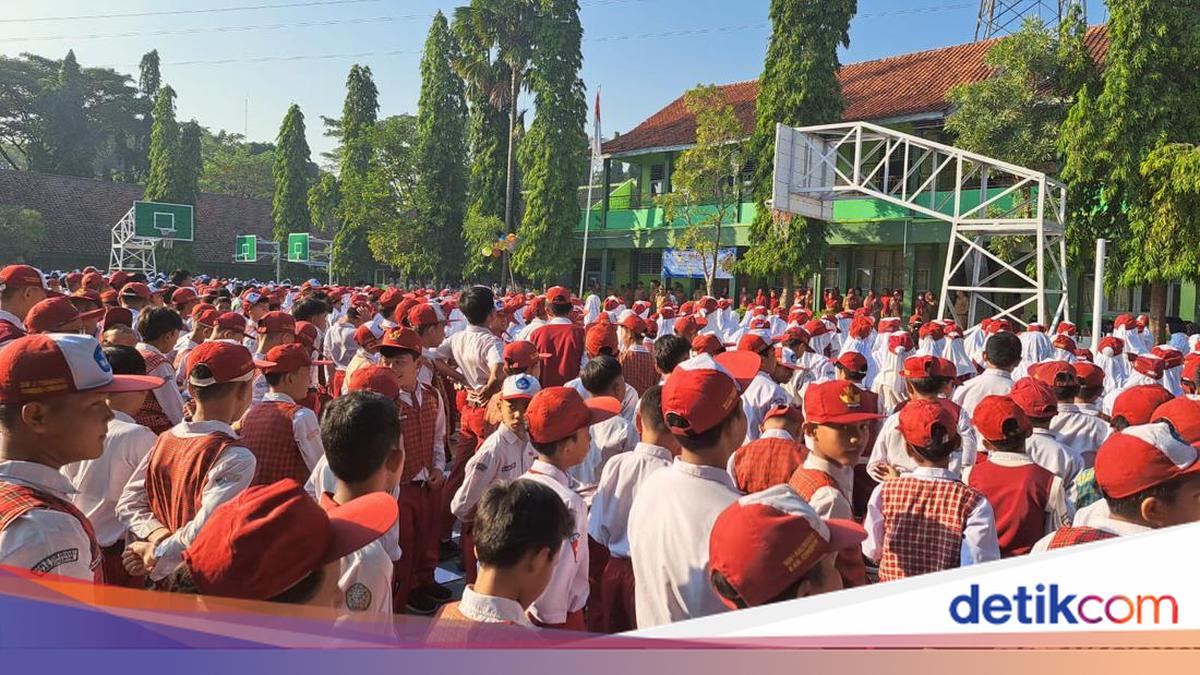
The Ministry of Primary and Secondary Education has issued Ministerial Regulation Number 12 of 2026 concerning the School Environment Introduction Period (MPLS). This circular replaces the Minister of Education and Culture Regulation Number 18 of 2016 on the Introduction to the School Environment for New Students. According to the Ministry, MPLS is the first activity for new students conducted by schools to cultivate and strengthen character and graduate profiles. MPLS is implemented based on the principles of a Safe and Comfortable School Culture, with the aim of introducing students’ potential (talents and interests), school community members, the curriculum, and the school environment. Key provisions for MPLS 2026 include: the organisers are formal schools from kindergarten to senior high and special needs schools; the stages include planning, committee formation, programming, socialisation, implementation, and post-implementation evaluation. Socialisation materials cover objectives, principles, schedules, prohibitions, and the roles of the committee and parents, and must be conducted no later than five working days before implementation. The programme runs for five days in the first week of the academic year, with adjustments for boarding schools, special needs schools, and schools providing special service education. Funding comes from the School Operational Assistance fund and other legal sources. Schools determine uniforms and attributes, which must not burden students or parents. Core materials include the ‘7 Habits of Great Indonesian Children’ movement, social media etiquette, cheerful mornings, and a culture of smiling, greeting, and politeness. Optional materials are chosen according to the school’s characteristics and needs. Prohibitions include initiation rituals or any form of violence, fee collection, irrelevant activities, non-educational attributes, involving alumni as organisers, and involving students who do not meet the criteria. Sanctions for violating committee members range from written warnings to temporary or permanent dismissal.