
New Kemensos-DEN System Capable of Tracking Beneficiary Assets Instantly
The new digitalisation system for social assistance (bansos) from the Ministry of Social Affairs and the National Economic Council (DEN) is considered capable of instantly tracking asset ownership, wage status, and even electricity consumption of potential beneficiaries through the integration of various national databases.
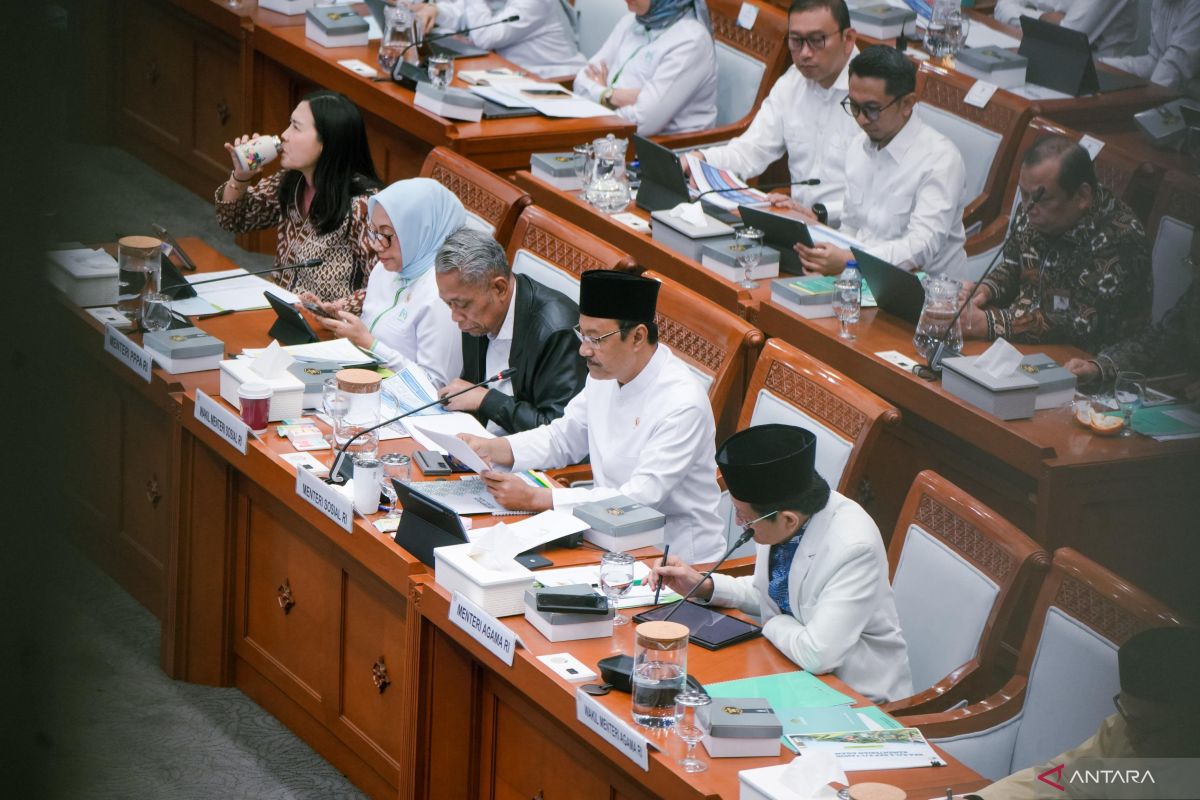
During a working meeting with Commission VIII of the Indonesian House of Representatives (DPR RI) in Jakarta on Wednesday, DEN representative Rahmat Danu Andika explained that the system employs a data exchange platform approach. This connects various sectoral databases via a real-time, database-to-database connection.
“As soon as an application is submitted, the system will instantly query various data sources, ranging from vehicle ownership, employment status and wages, and electricity consumption, to land asset ownership, all in real-time,” he said.
Rahmat explained that the entire cross-checking process runs automatically after the applicant passes the initial stage, which involves identity verification with the Directorate General of Population and Civil Registration (Dukcapil) of the Ministry of Home Affairs and facial authentication using scanning technology.
The multi-layered data integration, which also includes welfare decile data from the Central Bureau of Statistics (BPS), is designed to provide transparent eligibility decisions, complete with indicators explaining the factors behind the approval or rejection of social assistance.
Meanwhile, Minister of Social Affairs Saifullah Yusuf emphasised that this advanced instant data tracking is part of a comprehensive reform of social protection governance to ensure it is data-driven, transparent, and accountable. This step is also aligned with the President’s directive to realise a single national data system as the foundation for planning and budgeting.
“Through this system, the result of every social assistance application can be known immediately, including the reasons for acceptance or rejection. This is crucial to avoid disputes on the ground and to increase public trust,” he stated.
He added that the transparency regarding the reasons for approval or rejection is vital for maintaining public confidence.
Currently, this innovation for targeted accuracy, overseen by the Government Digital Transformation Acceleration Committee (KPTDP), has entered an expanded trial phase targeting 42 regencies/cities as part of the national priority agenda.
As part of a demonstration, the system was tested live involving a member of Commission VIII of the DPR RI, Atalia Praratya. In the simulation, Atalia registered for social assistance by accessing the perlinsos.kemensos.go.id website, using her National Identification Number (NIK) and biometric facial scanning, witnessed by the leadership and members of the council.