
New HPM Policy Deemed to Burden Industry, Chinese Investors Claim Nickel Production Costs Rise 200%
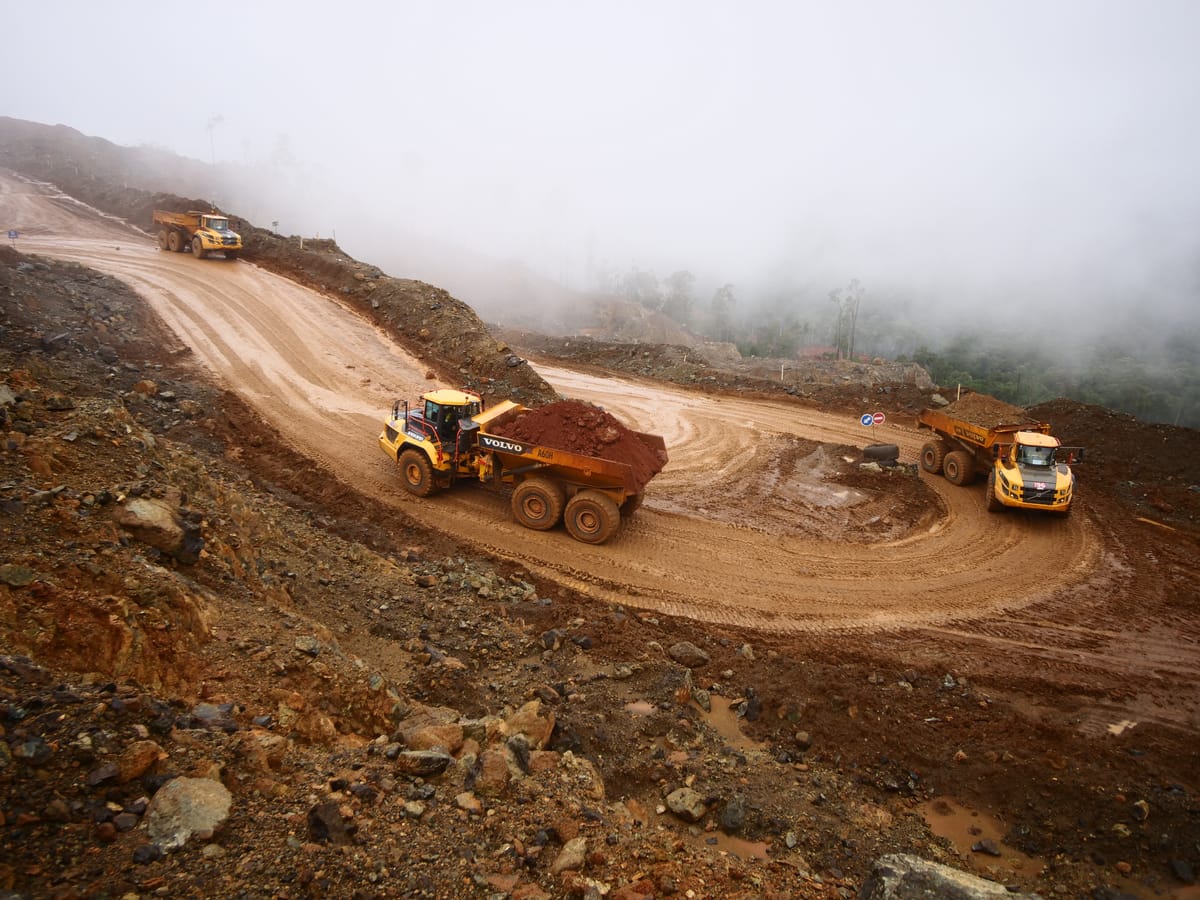
The Indonesian Chinese Chamber of Commerce has highlighted the rise in the Reference Mineral Price (HPM) for nickel ore and the revision of its pricing rules issued by the Ministry of Energy and Mineral Resources, which have caused production costs to swell by up to 200 per cent.
Jakarta, MINING — The Indonesian Chinese Chamber of Commerce has voiced concerns regarding several recent government policies in Indonesia’s mining sector, particularly the increase in the Reference Mineral Price (HPM) for nickel ore and the revision of its pricing determination rules set by the Ministry of Energy and Mineral Resources (ESDM).
These policies are assessed to trigger a significant surge in production costs of up to 200 per cent and potentially disrupt the sustainability of national nickel industry investments.
In the latest HPM, nickel ore for the first time includes cobalt, iron, and other associated minerals in the price calculation formula.
“The sudden implementation of this policy has caused a comprehensive spike in nickel ore costs of up to 200 per cent,” stated the Indonesian Chinese Chamber of Commerce in its release, reported on Thursday (14/5).
They assess that this situation places substantial pressure on Chinese-origin companies, which have long been key investors and operators in Indonesia’s nickel industry. The rise in production costs is said to have amplified operational losses and created imbalances throughout the nickel downstream industry chain.
“This will not only severely harm ongoing projects but also affect future investments, exports, and employment for more than 400,000 people along the industry chain,” they wrote.
Furthermore, business players view this situation as potentially weakening global investor confidence in Indonesia’s nickel industry, which in recent years has become one of the main drivers of national mineral downstream development.
Nevertheless, Chinese investment companies affirm their continued optimism regarding Indonesia’s economic prospects and commitment to advancing bilateral cooperation in industry and trade. They note that Chinese investment companies have been major participants in developing Indonesia-China economic cooperation, particularly in mineral downstream development and nickel-based metal processing.
However, they also criticise several government policies deemed to lack stability and continuity. According to them, enforcement standards in taxation, environmental, and forestry sectors are considered not yet transparent and still allow too much discretionary room.
“When companies face difficulties, normal complaint channels are instead obstructed, relevant agencies pass the buck and delay responses,” stated the Indonesian Chinese Chamber of Commerce.
They also highlighted practices of resolving issues through third parties at high costs, which are deemed burdensome to the business world. This situation is said to influence foreign investors’ perceptions of legal certainty and the investment climate in Indonesia.