
New hopes for regional stability and energy routes
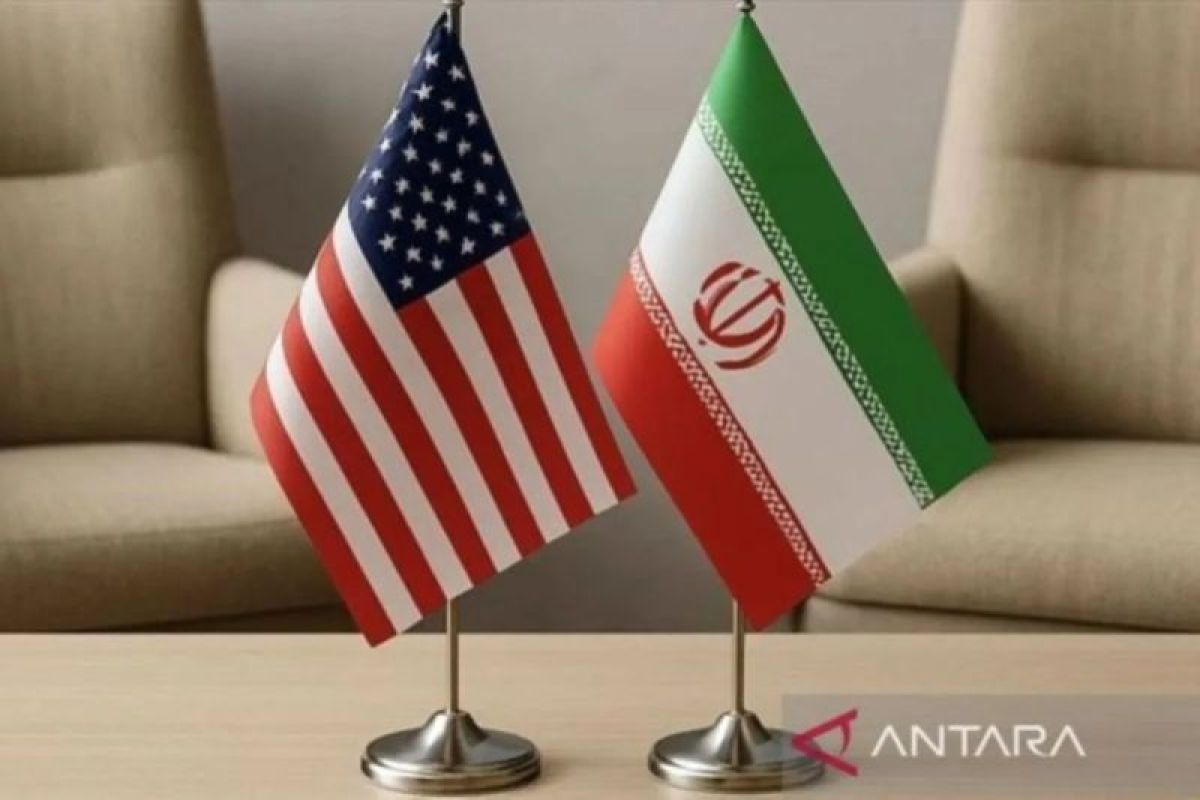
If successful, this agreement will set an important precedent that diplomacy can still prevail over conflict. Jakarta (ANTARA) - The temporary ceasefire agreement between the United States and Iran represents a crucial turning point in the geopolitical dynamics of the Middle East, which has been under high tension for the past month. Although temporary and lasting two weeks, this agreement brings several hopes, both in terms of regional stability and the security of global trade routes, particularly in the Strait of Hormuz, which is the lifeline of the world’s energy distribution. The United States and Iran, as the two main disputing parties, have not only agreed to halt the conflict on a limited basis but have also begun opening space for dialogue through the exchange of fairly comprehensive proposals. The United States is reported to have received a 10-point proposal from Iran as the basis for ceasefire discussions. The proposal covers various aspects, from halting military aggression, control related to the Strait of Hormuz, troop withdrawals, to stopping the conflict. In response, Washington has also submitted a 15-point counter-proposal. Several related sources and media reports say that the proposal from the Donald Trump side seeks to limit Iran’s access to nuclear weapons and uranium enrichment, but also includes a long-term framework for normalising relations. Regardless of the differences in the number of points or the substance of the proposals submitted, which reflect the complexity of the interests of both countries, this development also shows the political will to sit down together again and find common ground. One of the crucial points in this temporary agreement is Iran’s commitment to reopen the Strait of Hormuz during the two-week period. This step is a positive signal that has been widely welcomed, given that the route was previously disrupted due to conflict escalation. The Strait of Hormuz is a strategic route through which about a third of the world’s oil trade passes, so any disruption in the area directly impacts global energy prices. International response The international response to this agreement tends to be positive and reflects the great global interest in the stability of the Gulf region. The United Nations (UN) welcomes the de-escalation step between the United States and Iran, and urges both parties to extend the ceasefire towards lasting and comprehensive peace in the region.