
New Hope for Women's Cancer: Precision Therapy and Personalised Medicine
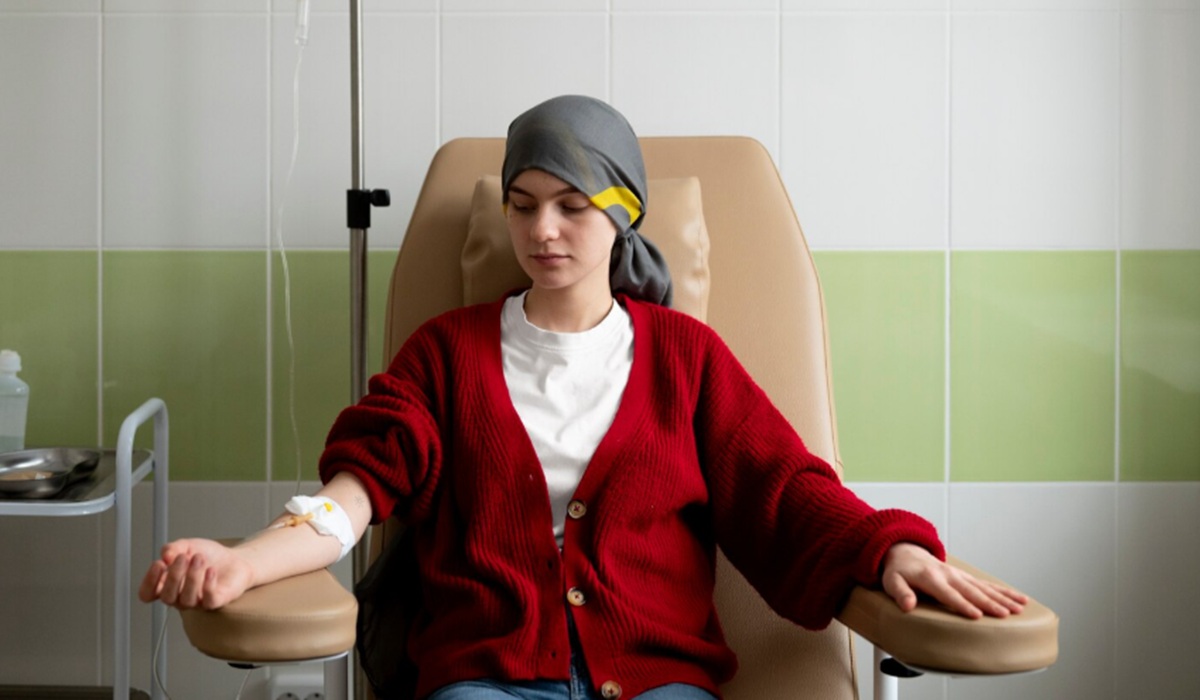
Cancer remains a significant global health challenge for women. Based on the latest data, cancers such as breast, cervical, ovarian, and endometrial dominate cases found across the world, including Indonesia. The World Health Organization (WHO) projects the burden of this disease will continue to increase.
Responding to this situation, Dr. See Hui Ti, Senior Consultant Medical Oncologist at Parkway Cancer Centre (PCC) Singapore, revealed that the medical approach has fundamentally shifted. During a media discussion in Jakarta, she emphasised the importance of precision medicine.
“We now understand that cancer is not the same disease in every patient. Two people diagnosed with breast cancer can have different biological characteristics, so their therapy must be tailored to each patient’s profile,” said Dr. See.
Dr. See noted a change in cancer patterns over the last two decades. Where cervical cancer was once very dominant, breast cancer is now the most frequently diagnosed. Additionally, cases of endometrial (uterine) cancer are predicted to rise sharply due to modern lifestyle changes. She highlighted that maintaining an ideal body weight, exercising regularly, and avoiding smoking and alcohol remain the main foundations of cancer prevention.
Advances in histopathological examination and molecular analysis now allow doctors to identify specific cancer subtypes. For example, in breast cancer, doctors can now differentiate between hormone receptor-positive, HER2-positive, and triple-negative breast cancer. With this identification, patients no longer receive one-size-fits-all treatment, but rather a combination of therapies specifically designed for them.
These innovations not only increase life expectancy but also preserve the patient’s quality of life. Modern surgical techniques even allow young patients to retain their reproductive function. Despite rapid advancements in treatment technology, Dr. See reminded that early detection is the main key to recovery. Specifically for cervical cancer, she fully supports the WHO’s global “90-70-90” strategy for eliminating the disease.
“The earlier cancer is found, the greater the chance for patients to receive effective treatment while maintaining a good quality of life,” she concluded. She stressed that the success of therapy also heavily depends on family support, mental health, and good communication between doctor and patient.