
New Homo habilis fossil sparks debate over origins of genus Homo
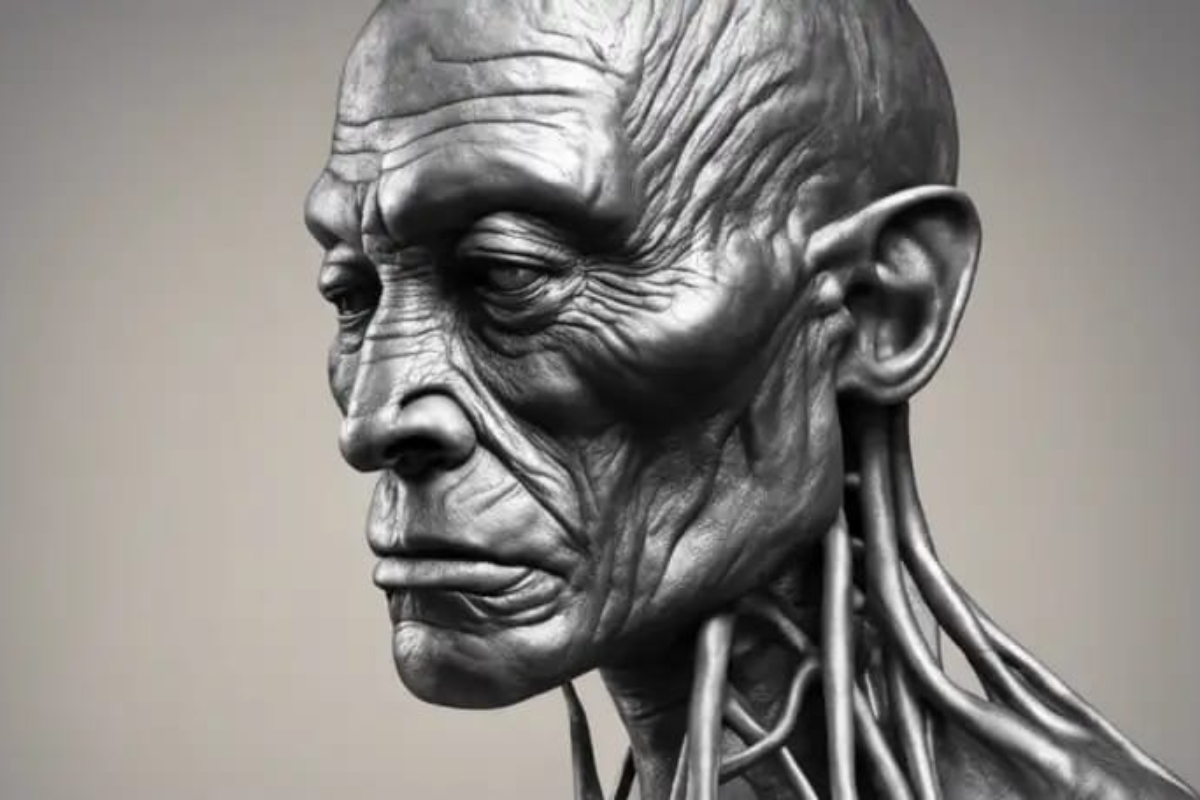
The newly discovered Homo habilis fossil has reignited debate in paleoanthropology due to its anatomy, which differs significantly from modern humans. Researchers described the skeleton in January 2026 as the most complete Homo habilis fossil ever found. The 2-million-year-old specimen provides clearer insights into the species’ arm structure, surprising scientists.
Contrary to human-like proportions, Homo habilis had long, ape-like arms. This discovery raises the question of whether the species truly belongs in the genus Homo, which includes modern humans.
For decades, Homo habilis was considered an early member of the genus. First identified in 1964 after Tanzanian fossils from the 1960s, it was positioned as an ‘evolutionary bridge’ between australopithecines and modern humans, dating between 2.4 and 1.65 million years ago.
However, limited fossil evidence left its physical appearance uncertain. Before this discovery, scientists only had three incomplete skeletons to study the species.
Ian Tattersall, a paleoanthropologist at the American Museum of Natural History, noted the elongated arms closely resemble those of australopithecines, which retained many ape-like features. He suggested the find could indicate Homo habilis does not belong in the genus Homo.
The debate over the origins of the genus Homo has long been ongoing. Modern humans, Homo sapiens, are believed to have evolved after the human lineage diverged from chimpanzees over 5 million years ago.
Early species post-divergence, such as Australopithecus afarensis, had long arms, small bodies, and underdeveloped brains. The famous ‘Lucy’ fossil is from this species.
Some scientists now question whether Homo habilis is closer to australopithecines than modern humans.
Bernard Wood, a paleoanthropologist at George Washington University, stated that the definition of the genus Homo may have been too broadly applied. Along with archaeologist Mark Collard from Simon Fraser University, Wood previously proposed reclassifying Homo habilis as Australopithecus habilis.
Not all scientists agree. Tattersall noted Homo habilis still has brain size and dental structure closer to humans than australopithecines, potentially warranting a separate genus.
Carol Ward, an anthropologist at the University of Missouri, argued that long arms alone are insufficient to exclude Homo habilis from the genus Homo. She explained that early human ancestors may have still climbed trees, making long arms advantageous. Adaptation to modern human form likely occurred more gradually than previously thought.
Ward added that early Homo species may not have faced strong evolutionary pressure to shorten their arms. Body changes emerged as needs for running, tool use, and open-plain living increased.
‘The Homo habilis skeleton supports the idea that the transition from australopithecines to Homo was gradual,’ she said. The debate has major implications for understanding human evolution. If Homo habilis is removed from the genus Homo, the definition of when humans first appeared must be rewritten. The new fossil discovery also shows human evolutionary history remains incomplete; each new find continues to unveil fresh mysteries about modern humans’ origins.
Source: jawawa.id (https://jawawa.id/newsitem/new-homo-habilis-fossil-sparks-debate-over-origins-of-genus-homo-1779897288)
Originally published by Media Indonesia (https://mediaindonesia.com/teknologi/894465/fosil-baru-homo-habilis-picu-perdebatan-asal-usul-genus-homo), translated from Indonesian