
New Formula to Rescue Geothermal Investment in Indonesia
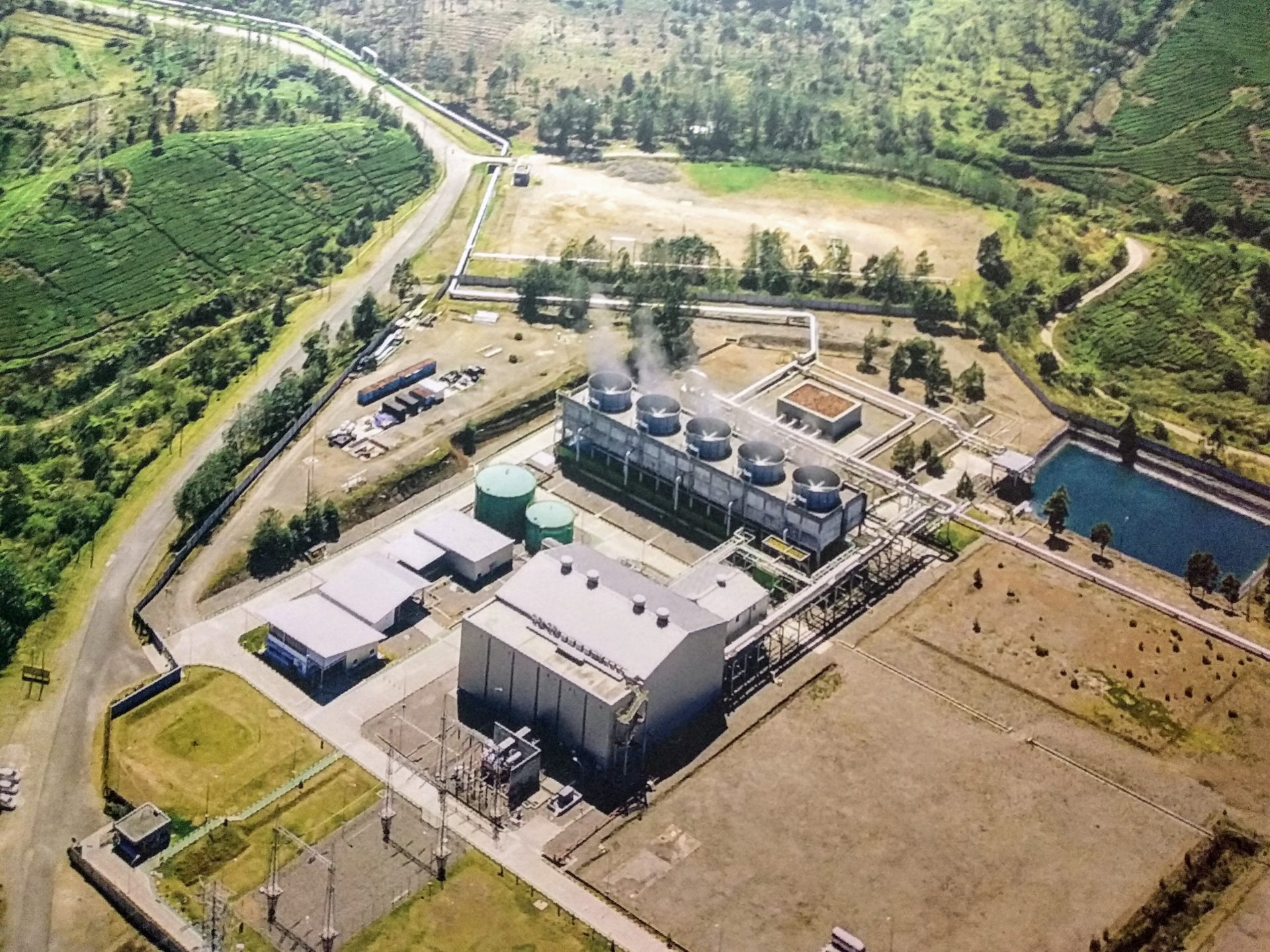
JAKARTA – The deadlock between geothermal developers and the government has resurfaced in the renewable energy sector.
According to Riki F. Ibrahim, Supervisory Board member of the Indonesian Renewable Energy Society (METI), developers complain that exploration costs and capital continue to soar, while access to bank credit is closed due to the high risk of upstream drilling.
As a result, Riki said, the electricity purchase tariff in Presidential Regulation Number 112 of 2022 is no longer considered favourable for the internal rate of return.
On the other hand, PT PLN (Persero) and the government are also squeezed by the Cost of Electricity Supply. Yielding to developers’ demands for tariff increases is feared to trigger an explosion of energy compensation and subsidies that would burden the state budget.
“The root of this problem will not be solved if we only argue about figures on paper. Instead of continuing to force electricity sales tariff increases on PLN, the focus must be shifted: reduce capital costs from the outset and create new revenue streams from geothermal derivative businesses,” Riki said on Tuesday (11/8).
The lecturer in the Renewable Energy Master’s programme at Darma Persada University outlined a number of strategic solutions and ways out of the deadlock, including, first, reducing risk and exploration costs (de-risking upstream). The risk of failure in the exploration drilling phase is the main trigger for high loan interest rates. In this regard, the government can take over exploration drilling (Government Drilling). The government, through state-owned enterprises or a consortium with PT SMI, uses state budget funds or grants with blended finance for exploration until reserves are proven. Once proven reserves are established, the Geothermal Working Area (WKP) is auctioned to the private sector.
Then, optimisation of the Geothermal Risk Mitigation Facility (GREM). This step is carried out by expanding risk mitigation fund schemes (such as facilities from the World Bank and PT SMI) in the form of soft financing or risk-sharing grants if initial wells fail (dry hole).
The second solution is fiscal incentives and cheap financing (cost reduction). Riki, who is also a former president director of PT Geo Dipa Energi (Persero), said that rather than raising tariffs, the government should help reduce the levelised cost of electricity through blended finance and green bonds. Access to low-cost international funds with low interest rates and long tenors, such as from the Green Climate Fund.
Targeted tax and import duty exemptions can also be implemented, such as tax holidays, VAT exemptions on exploration capital goods, and the elimination of import duties on turbine technology and drilling equipment. This scheme must run automatically without convoluted bureaucracy.
The third solution is the development of non-electricity businesses (direct use and side revenues). Riki explained that the geothermal business model needs to be overhauled so that it does not depend solely on sales to PLN.
Riki revealed a strategy for extracting high-value minerals, as geothermal fluids contain lithium. In this regard, developers are granted the right to manage lithium extraction for electric vehicle battery raw materials as a second source of revenue.
There is also a direct use ecosystem, utilising residual heat for agricultural drying, geothermal cooling, green hydrogen/ammonia, and ecotourism around the WKP. Furthermore, through carbon credits and green certificates: developers are granted rights to emission reduction certificates and renewable energy certificates for sale to international markets.
The fourth solution is reform of commercial and regulatory schemes. Riki explained cap-and-share risk, where the risk of uncertainty in well flow rates is shared through special insurance or an extension of the power purchase agreement duration from 30 years to 50-60 years as an alternative to tariff increases.
In addition, there is also a B2B scheme (power wheeling). Developers are given the flexibility to sell electricity directly to industrial estates or green data centres via B2B PPAs. The government simply issues permits for the use of PLN’s transmission network through power wheeling.
Riki emphasised that as the world’s second-largest producer of geothermal electricity, Indonesia no longer needs to be trapped in the pressure for price increases.
“The key lies in offering the highest possible fiscal incentives and the courage to overhaul commercial and regulatory schemes going forward. This is the way out,” Riki concluded.
Source: jawawa.id (https://jawawa.id/newsitem/new-formula-to-rescue-geothermal-investment-in-indonesia-1786499420)
Originally published by dunia-energi.com (https://www.dunia-energi.com/ini-rumus-baru-selamatkan-investasi-panas-bumi/), translated from Indonesian