
New Era for Household Gas: CNG Promoted as LPG Replacement
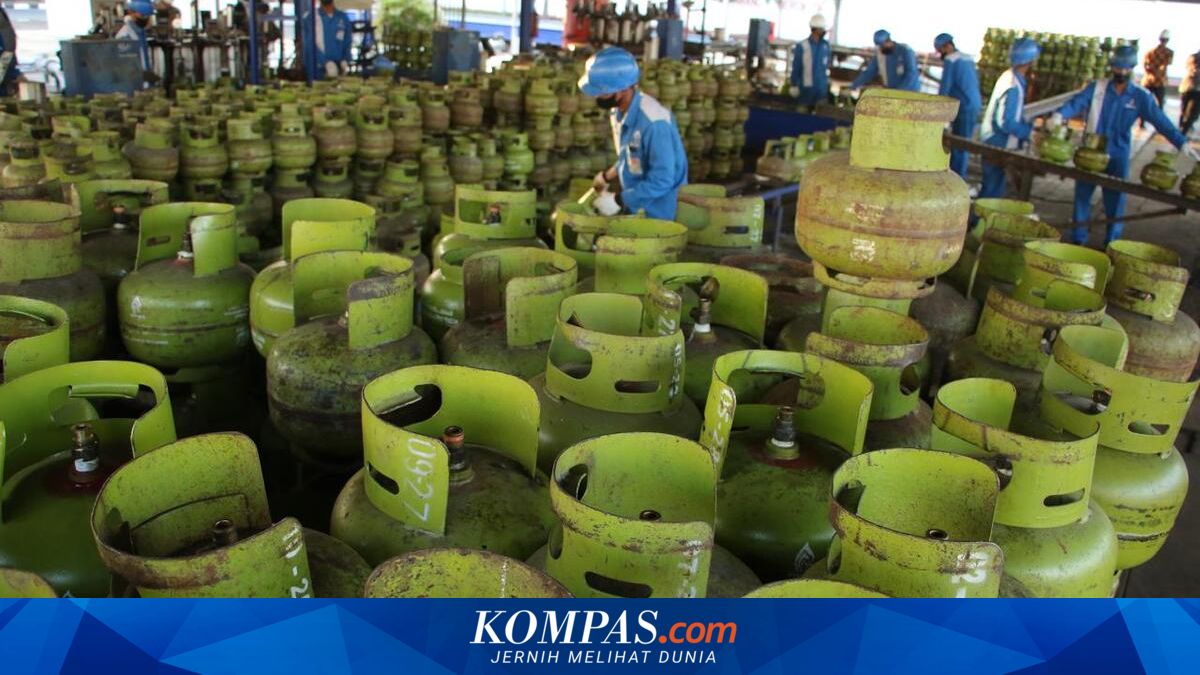
The government is beginning to prepare compressed natural gas (CNG) as a replacement for liquefied petroleum gas (LPG), or 3-kilogram (kg) elpiji, for household use. The conversion programme has now entered the implementation stage and is targeted to be applied gradually this year. Energy and Mineral Resources Minister Bahlil Lahadalia said the government is currently conducting trials and technical discussions on the 3kg CNG cylinder before it is widely used by the public. He explained that the use of CNG has already been implemented for 12kg and 20kg cylinders used by hotels and restaurants. However, the government is seeking the right formulation so that CNG can be used by households through lighter cylinders. “We can’t possibly ask the people to use the heavy ones, 20kg. This is what we’re working on, and we’ve actually been doing it since a year ago. But to get 3kg technology, we’re testing it,” he said. This gas is stored and distributed using high-pressure cylinders at around 200-250 bar or equivalent to 2,900 to 3,600 psi. In a separate opportunity, the Director General of Oil and Gas at the Ministry of Energy and Mineral Resources, Laode Sulaeman, said the initial implementation of the elpiji to CNG conversion will begin in major cities on Java island. “This year, it’s targeted to start being consumed by the public. This will be gradual in major cities in Java first,” Laode said when met at Epiwalk, Jakarta, on Tuesday (5/5/2026). The prepared cylinders are likely to use Type 4, made of polymer reinforced with composite material, making them lighter than conventional steel cylinders. The government targets that within the next three months, those cylinders will be available so that mass production can be carried out soon. “That’s what we’re pursuing; the Minister said that in three months, there will be Type 4 for 3kg, and from there we can start producing in larger quantities,” Laode said.