
New Electric Vehicle Tax Regulations Accelerate Electrification of Public Transport
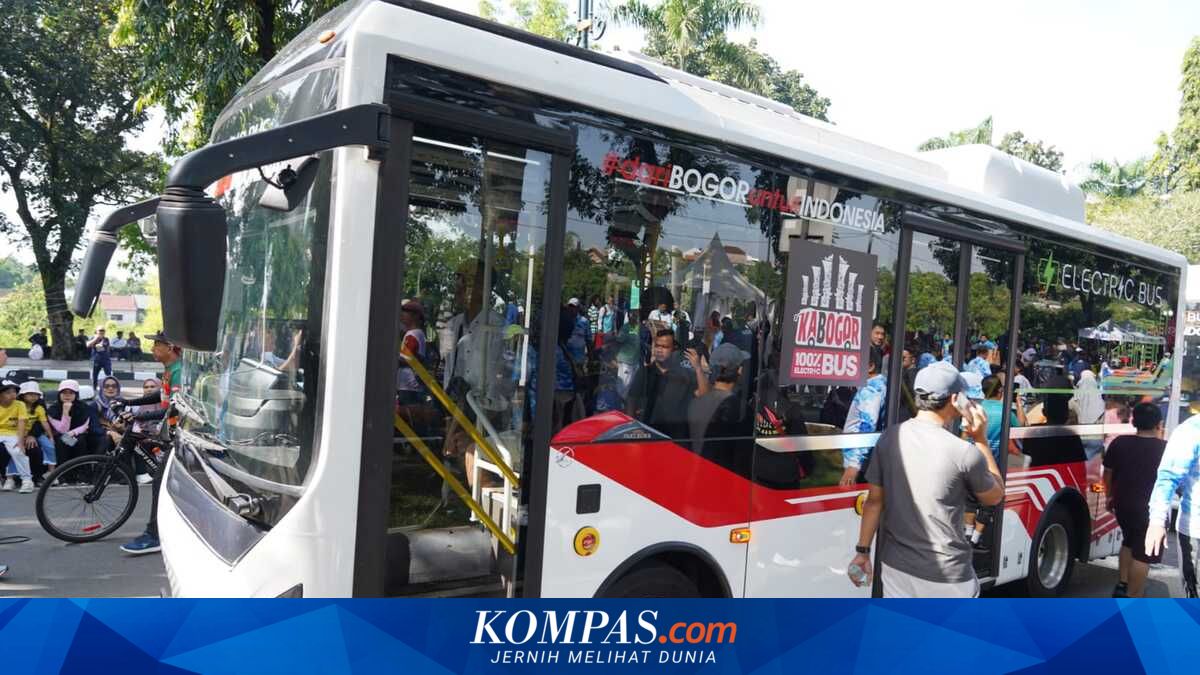
JAKARTA, KOMPAS.com – Changes to the vehicle tax scheme through Minister of Home Affairs Regulation Number 11 of 2026 represent a crucial momentum in driving the transition towards more environmentally friendly transportation. Far from merely rearranging tariffs, this policy also paves the way for accelerating the adoption of electric vehicles while strengthening the role of electric-based public transport. Under the latest regulation, the government provides flexibility to regions to adjust tax policies according to local characteristics. With this scheme, vehicle taxes are no longer uniform but can be tailored to be fairer and more targeted. One of the crucial changes is the implementation of an emissions-based tax scheme. This means vehicles are no longer assessed solely on engine capacity but also on their environmental impact. There is even a proposal for tax discounts of up to 70-90%, particularly for electric vehicles used in public transport. Djoko Setijowarno, an academic from the Civil Engineering Programme at Unika Soegijapranata and Advisor to the Indonesian Transport Society (MTI) Central Board, stated that the key to this tax policy is balance. “It is high time our taxation system works harder to advance public transport while preserving Indonesia’s environment from Sabang to Merauke,” he said. This policy sends a strong signal that the government not only wants to encourage private electric vehicle ownership but also to accelerate the electrification of mass transportation. This step is expected to reduce investment costs for operators and attract more businesses to switch to electric fleets. On the other hand, older vehicles with high emissions could face higher taxes, especially in densely populated urban areas. This approach serves as a disincentive to encourage the public to switch to cleaner vehicles. Taxes from fossil fuel vehicles can be allocated for developing infrastructure such as Electric Vehicle Charging Stations (SPKLU) and subsidies for electric public transport operations. With the direction of this policy, vehicle tax changes are no longer just about regional revenues but become a strategic instrument for shaping a greener, more efficient, and sustainable transportation system.
Source: jawawa.id (https://jawawa.id/newsitem/new-electric-vehicle-tax-regulations-accelerate-electrification-of-public-transport-1776851534)
Originally published by Kompas (https://otomotif.kompas.com/read/2026/04/22/112200315/-aturan-baru-pajak-mobil-listrik-percepat-elektrifikasi-angkutan-umum?utm_source=ABC&utm_medium=rss), translated from Indonesian