
New Cause of Antarctic Glacier Acceleration Revealed
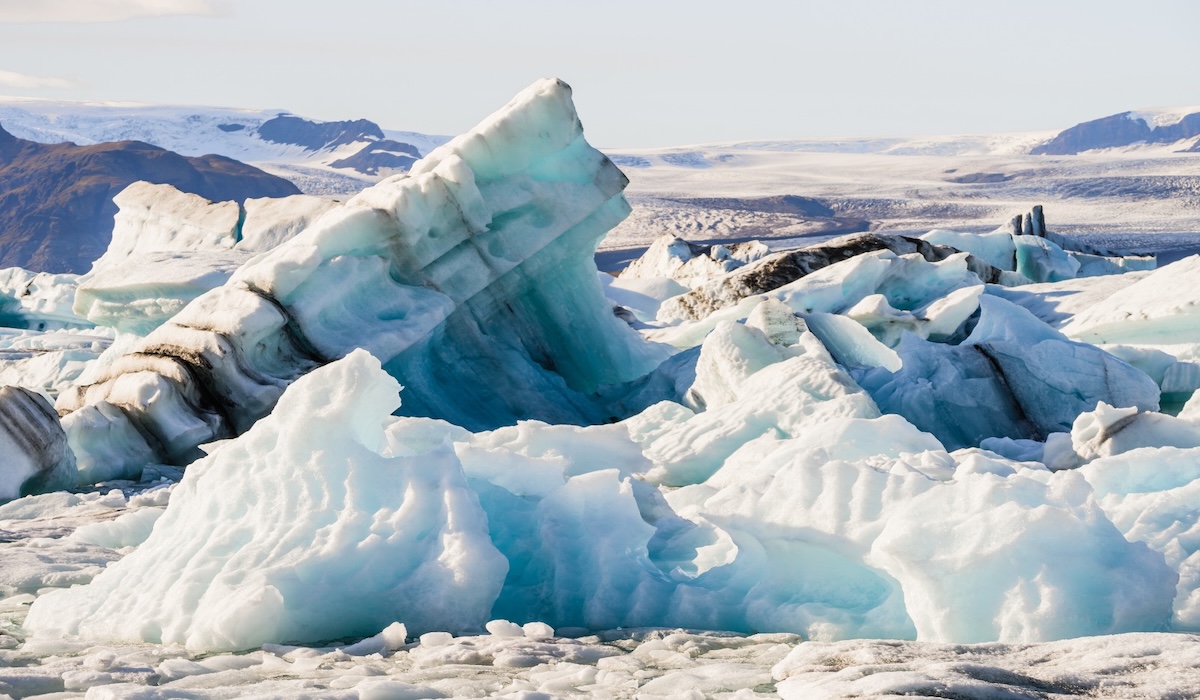
Recent research led by Hokkaido University has revealed a new mechanism that accelerates the movement of Antarctic glaciers towards the sea. Published in the journal Nature Communications, the findings indicate that surface meltwater plays a key role, a factor previously under-detected in the southern polar region. While ice mass loss in Antarctica has largely been attributed to warming ocean temperatures melting the underside of ice shelves, this study demonstrates that surface meltwater from rising air temperatures also actively contributes to accelerating glacier flow. The process begins when snow and surface ice melt, forming ponds of water that then seep through cracks in the ice via hydrofracturing. This water travels down to the glacier base, reaching depths of more than 550 metres, where it acts as a lubricant that reduces friction between the ice and the bedrock. Based on data from subglacial pressure sensors and cameras, the meltwater can support up to 97 percent of the ice layer’s weight. This condition results in a 10 to 20 percent increase in glacier flow speed towards the ocean during periods of intensive melting or when rain falls in the region. While this phenomenon has been more commonly observed in Greenland, the Antarctic findings refute the assumption that the continent’s extreme cold prevents such a mechanism. Given that Antarctica holds 90 percent of the world’s ice reserves, this acceleration poses a serious threat to global sea-level rise. A supporting study in the journal Nature Climate Change warns that this melting is likely to continue throughout this century, regardless of whether the Paris Agreement targets are met. The impact will be felt acutely in coastal areas through increased risks of tidal flooding and abrasion. Scientists are now urging more intensive long-term monitoring via satellites and subglacial sensors to improve the accuracy of sea-level rise projections, as each glacier responds differently to global temperature changes.