
Never Process Meat from Animals That Die Suddenly: The Health Risks
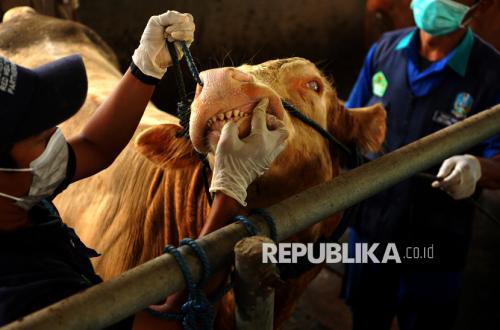
JAKARTA — Four residents of Gunungkidul Regency were reported to have tested positive for anthrax after eating meat from a sick goat that died suddenly some time ago. The practice, known as mbrandu or porak, is a local tradition in which people buy livestock that is ill or has died to help ease the owner’s burden.
In response to the incident, veterinarian and IPB University lecturer Dr Denny Widaya Lukman said livestock or other animals infected with anthrax must not be slaughtered for their meat. Their meat and offal must not be eaten either, as they could transmit the disease to humans.
“Meat from an animal that is ill and dies suddenly must not be considered safe to eat, even if it has been cooked,” he said in a written statement last week.
He warned that heating or cooking meat containing anthrax spores cannot guarantee that the spores will be inactivated. Eating such meat is dangerous because anthrax is caused by the bacterium Bacillus anthracis, which can form spores as a means of protecting itself when environmental conditions are unsuitable.
“Inside an animal or human body, the bacteria exist as infectious vegetative cells because of the anaerobic conditions. Outside an animal or human body, they exist as spores,” he said.
Dr Denny said anthrax spores can survive in the environment and soil for decades. Areas that have previously experienced anthrax cases therefore require particular attention to prevent further transmission.
One route of transmission from infected cattle or other ruminants is through consuming meat or milk contaminated with the bacterium. The meat and offal of animals with anthrax can contain vegetative bacterial cells that may cause disease in humans.