
Netherlands Urges EU to Prepare Blocking Statute to Protect ICC from US
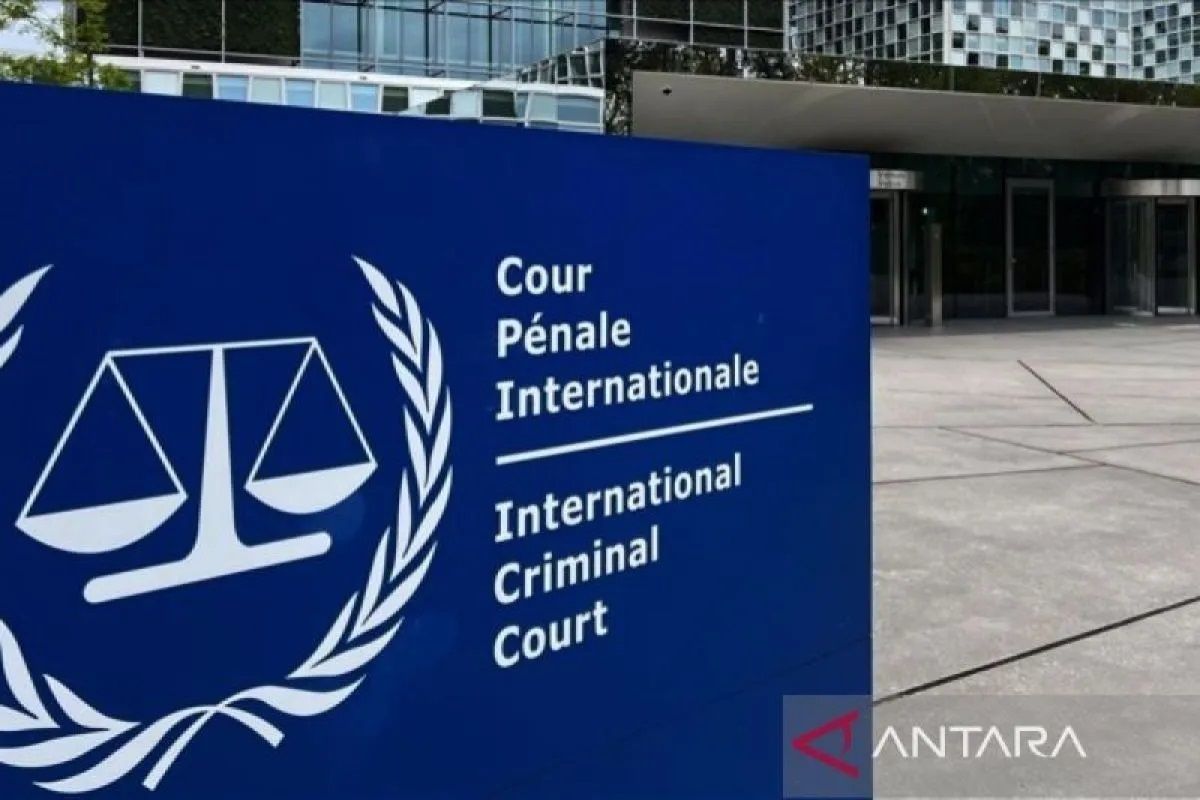
The Netherlands has requested the European Commission to prepare a ‘blocking statute’ to protect the International Criminal Court (ICC) from the possibility of further US sanctions, stated Dutch Foreign Minister Tom Berendsen on Wednesday.
In an interview with the Dutch daily De Volkskrant on the sidelines of the UN General Assembly in New York, Berendsen expressed his concerns regarding the ongoing pressure exerted on the ICC and its court officials. He noted that new sanctions could potentially occur.
“We are preparing for all possibilities,” he added. “Within the European Union, we are strongly united, but outside of that, there are countries that feel the US is increasing its pressure, and they cannot simply ignore that,” said Berendsen.
This statement follows reports from the US-based Wall Street Journal on Sunday (20/9) suggesting that the administration of US President Donald Trump is preparing to impose large-scale economic sanctions against the court. While noting that the US has never supported the court, Berendsen added that there is currently a “massive” hardening of attitudes that could make it impossible for the institution to perform its functions.
“We will make every effort to protect the court,” he asserted. “The Netherlands has asked the European Commission to prepare a blocking statute so that we can implement such drastic measures. We are ready to use it,” Berendsen added.
What is a blocking statute?
A blocking statute is a legal mechanism designed to protect companies and individuals within the European Union from the extraterritorial application of certain third-country laws, particularly secondary sanctions imposed by the US.
“A blocking statute is the last resort we have. As long as we can protect the ICC in other ways, we will do so,” he said. Berendsen noted that such a drastic measure should not be used merely to send a signal, as it could lead to an “escalating” situation.
Last month, the US imposed sanctions targeting ICC President Tomoko Akane and senior trial lawyer Abdoulaye Seye; the move triggered strong reactions across various European nations, including the UK, France, and Germany, as well as from the President of the European Council and the European Commission. These measures are part of the sanctions against the ICC implemented by US President Donald Trump in February 2025. The ICC has stated that nine of its 18 judges, two deputy prosecutors, a former prosecutor, and one staff member are currently subject to US sanctions.