
Netherlands Faces Prolonged Drought as Rhine River Hits Record Low
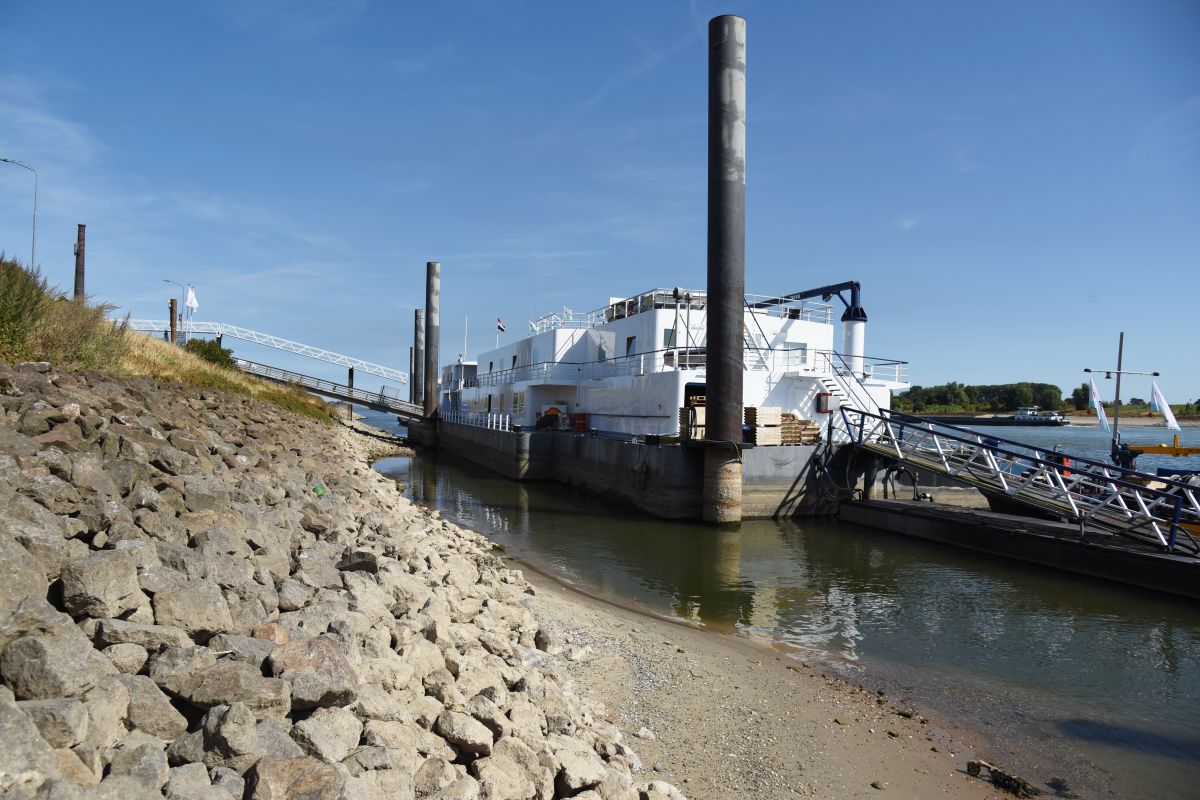
The Netherlands is facing a prolonged drought, with efforts to collect and distribute fresh water coming under increasing pressure, the Ministry of Infrastructure and Water Management said on Tuesday. In its weekly Drought Monitor, the ministry described the situation as “very exceptional”. The flow of the Rhine at Lobith, where the river enters the Netherlands from Germany, has fallen to 615 cubic metres per second, the lowest level ever recorded at that location. The flow of the Meuse, a major river that runs through France and Belgium before entering the Netherlands, is also low, while groundwater levels across most of the country range from low to very low, the ministry said. Low river flows are likely to continue until December, while warm weather and little significant rainfall are forecast for the coming week, the weekly report stated. The national precipitation deficit is expected to reach around 300 mm, comparable to levels recorded during the severe drought of 2018, the report added, noting that in some regions the deficit has already exceeded 400 mm. The prolonged drought is increasingly harming the agricultural sector and ecosystems, with crop and environmental damage worsening in several areas. Water quality is also deteriorating, accompanied by reports of blue-green algae blooms and fish deaths in some locations, the report detailed. The Ministry of Infrastructure and Water Management said drinking water supplies remain secure, although rising salinity levels are causing growing concern and are being closely monitored at several drinking water intake points. Last month, the government raised the country’s water status from “imminent water shortage” to “actual water shortage” after the prolonged drought and high temperatures continued to strain water resources. Authorities have implemented measures to conserve fresh water and maintain water levels, including restricting the operation of locks in certain areas to reduce water usage.