
Netanyahu's Tactics Revealed: Attempting to Draw Trump into Second US-Iran War
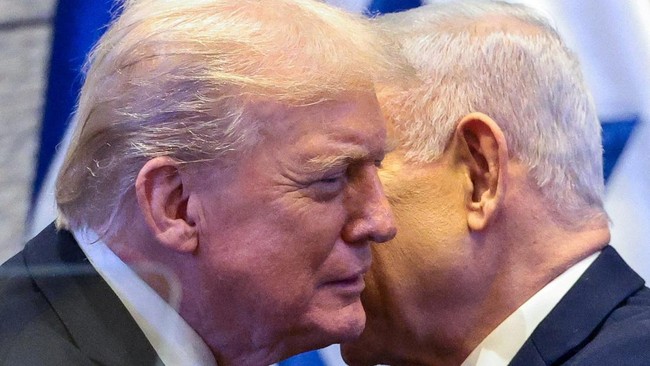
Israeli Prime Minister Benjamin Netanyahu is reportedly attempting to draw US President Donald Trump into a second phase of conflict between the United States and Iran. This manoeuvre began on Sunday morning, following Israeli strikes on Hezbollah targets in Beirut.
According to reports from Axios, Israeli sources indicate that the Israel Defense Forces (IDF) notified the US Central Command (CENTCOM) prior to the strikes in Beirut, Lebanon. This action crossed a ‘red line’ for Iran, making the stability of its ally a critical issue. An American official noted that Trump—who had previously halted similar Israeli attack plans during tense telephone conversations—was displeased with the strikes.
Following the strikes, Iran launched missiles towards Israel, fulfilling its previous threats should Israel attack the Lebanese capital. While some within the IDF initially believed these were empty threats, the retaliation has escalated the situation. It is reported that Trump telephoned Netanyahu on Sunday night, requesting that Israel refrain from retaliating against Iran’s strikes or launching further attacks on Lebanon. Trump argued that he was on the verge of reaching a deal with Iran in the coming days, and that Israeli counter-attacks would jeopardise those negotiations.
Trump had previously expressed significant anger towards Netanyahu, labelling him ‘crazy and ungrateful’ for escalations that disrupt peace negotiations. However, Netanyahu argued that failing to respond to Iranian attacks would be detrimental to Israel, the US, and the very deal Trump is attempting to broker. Netanyahu’s stance is that inaction would signal Iranian superiority and embolden them to obstruct US and Israeli military options.
While the telephone conversation ended without a clear decision from Netanyahu, some US officials felt the President had successfully bought more time. Conversely, Netanyahu reportedly interpreted Trump’s stance not as a definitive ‘do not attack’ order, but rather as a lack of support, leading him to proceed with his planned actions. Following consultations with IDF commanders, Netanyahu informed the White House of his decision to continue the strikes.
Trump stated that Israel provided ‘very late notice’ regarding Sunday’s attacks, noting that while the strikes were already underway, he had attempted to limit them. Despite this, Israeli officials reportedly reached an understanding with Foreign Minister Marco Rubio regarding specific targets.
In the wake of the strikes, Tehran has retaliated, with the Houthi group in Yemen also launching a series of missiles on Monday. This escalation prompted leaders from five different countries to contact Trump, requesting that he pressure Netanyahu. Trump noted that these nations were concerned about the stability of ongoing negotiations. Furthermore, Trump claimed his administration received a message from Iran on Monday morning expressing a willingness to cease hostilities, provided that Israel does the same.