
Netanyahu Rejects Trump-Backed Gaza Peace Plan, Citing Hamas Disarmament
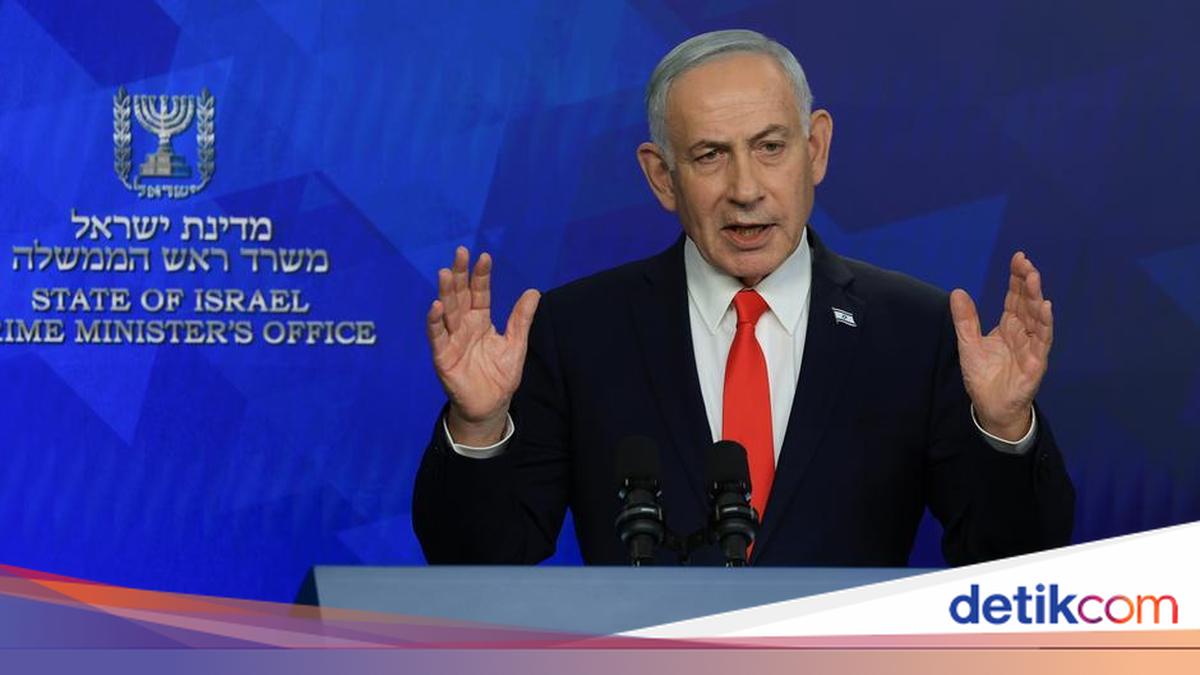
Israeli Prime Minister Benjamin Netanyahu has rejected US President Donald Trump’s peace plan for Gaza, stating that his forces will not withdraw until Hamas is completely disarmed. ‘Israel rejects the 15-point document,’ Netanyahu said during a cabinet meeting on Sunday, referring to the US-backed peace plan approved by Hamas at the end of July 2026. The Israeli military ‘will not carry out any withdrawal until Hamas’s weapons are completely disarmed,’ Netanyahu said, adding that this includes ‘heavy weapons, light weapons, and all types of weapons.’ However, Netanyahu said Tel Aviv remains in talks with Washington despite objections from the US side. He described Trump as ‘the best friend in the White House,’ but also added ‘they have ideas, some of which we can accept and some we cannot, and we know how to stand our ground on these matters.’ The White House has yet to comment. In July 2026, Trump announced a plan regarding the disarmament of Hamas, outlining progress on a 15-point working plan aimed at ending the war in the Gaza Strip. The plan, drafted by the Board of Peace, called for Israeli forces to withdraw while Hamas simultaneously surrendered its weapons. An International Stabilisation Force would then work with a new Palestinian police force to maintain security in Gaza. Israel, the United States, the European Union, and several other countries still designate Hamas as a terrorist organisation. Hamas itself avoided using the term ‘disarmament,’ stating it had agreed to hand over its weapons for storage under a US-backed Palestinian technocratic administration that would govern Gaza under the Board of Peace’s supervision. Hamas stated that the implementation of the agreement also depends on Israel fulfilling its obligations, including troop withdrawal and a halt to attacks. ‘We hope the mediators and guarantors from the United States will pressure Netanyahu and his government to comply with the working plan and not obstruct this process for internal political or electoral reasons,’ said Bassem Naim, a member of Hamas’s political bureau. As of Sunday, Hamas stated it remained committed to the Trump-backed peace plan. Board of Peace High Representative for Gaza, Nickolay Mladenov, confirmed that Israel also has no obligations until Hamas surrenders all its weaponry, including assault rifles. However, Mladenov told Israel’s Channel 12 news that the Israeli military must eventually withdraw ‘sector by sector’ once Hamas’s weapons are collected and deactivated. ‘The option we are offering now is the only way forward that guarantees this tragedy will not be repeated,’ he said, referring to the Hamas-led attack on Israel on 7 October 2023, which triggered the war in the Gaza Strip. Mladenov said talks with Israel are ongoing and he hopes for a ‘positive outcome.’ The disagreement comes at a politically sensitive moment for Netanyahu ahead of elections scheduled for 27 October 2026. This national election is the first in Israel since the October 2023 Hamas attack and the subsequent ongoing Israeli military operation in Gaza. Several polls show the prime minister in a tight race or trailing his rivals, facing pressure from far-right members of his government who oppose any concessions to Hamas. Finance Minister Bezalel Smotrich welcomed Netanyahu’s stance. ‘We are fighting with the primary goal of destroying Hamas,’ he stressed. ‘The army must not withdraw, not even a single millimetre, from the Gaza Strip.’ The dispute is the latest sign of diverging views between Netanyahu and Trump. The two leaders are considered close allies but have recently clashed over how to handle conflicts in Iran, Lebanon, and Gaza. The Gaza peace plan is based on a US-mediated ceasefire reached in October 2025. Gaza health authorities say more than 1,250 Palestinians have been killed in Israeli attacks since then. The Israeli military says five of its soldiers were killed in the same period. While negotiations on the peace plan continue, Israeli forces still control large parts of Gaza, and most of the enclave’s more than 2 million residents have been displaced, living in a small coastal area, many in tents or damaged buildings.